Introduction
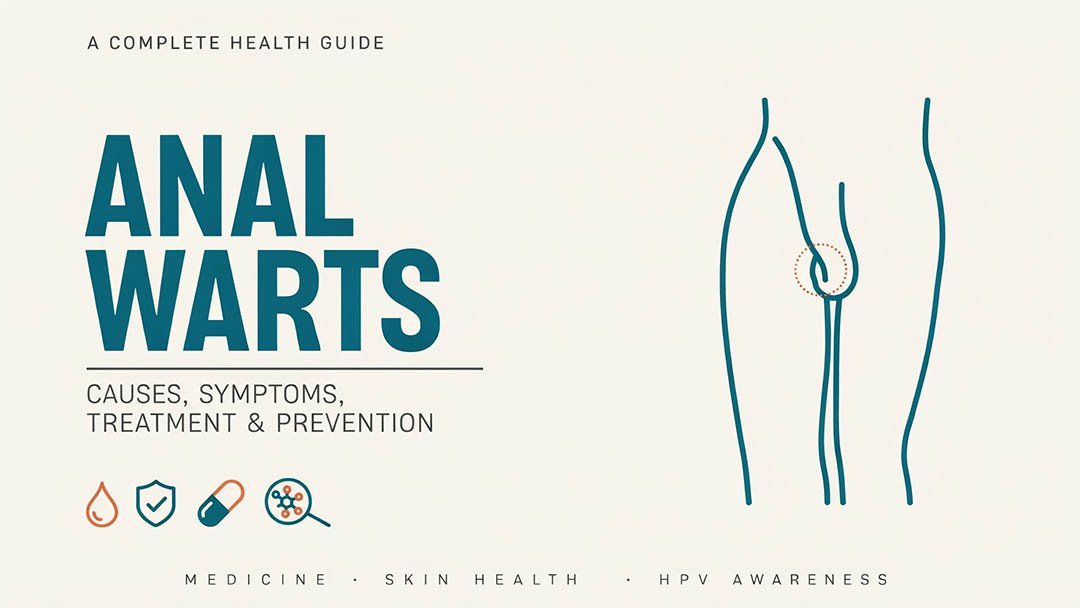
Noticing small bumps around your anus can be worrying, especially when you are unsure what caused them or whether they could affect your health. One possible explanation is anal warts, which are growths that can develop on the skin around the anus or inside the anal canal. They are commonly associated with the human papillomavirus (HPV), a widespread virus that can spread through intimate skin-to-skin contact.
However, not every bump in this area is a wart. Hemorrhoids, skin tags, irritated hair follicles, and other skin conditions can look similar. Understanding the differences can help you decide when to seek medical advice and which treatments may be appropriate. This guide explains the causes, symptoms, diagnosis, treatment options, and prevention of anal warts in straightforward language.
What Are Warts Around the Anus?
Anal warts are small growths that appear on the skin surrounding the anus or, in some cases, inside the anal canal. The medical term for these growths is condylomata acuminata. These growths typically develop due to infection with specific strains of the human papillomavirus (HPV).
These bumps may develop as single growths or form groups in the affected area. Some are tiny and difficult to notice, while others become larger and form an irregular surface that resembles a small cauliflower.
Anal warts can vary in appearance and size. They may be skin-colored, pinkish, or slightly darker than the surrounding skin. Some people experience no discomfort, while others notice itching, irritation, or occasional bleeding.
It is important to distinguish anal warts from other conditions. Hemorrhoids are swollen blood vessels, whereas skin tags are soft pieces of excess skin. Both can develop around the anus and may be mistaken for warts.
Because several conditions can look alike, a healthcare professional can help identify the actual cause rather than relying on appearance alone.
What Causes Anal Warts?
The primary cause of anal warts is infection with certain strains of HPV. This virus affects the skin and moist surfaces of the body, and different HPV types cause different conditions.
Human Papillomavirus (HPV)
HPV is a common virus that can spread through intimate skin-to-skin contact. Some types cause common warts on the hands or feet, while others can cause genital and anal warts.
HPV types 6 and 11 are responsible for most genital warts. These types are considered low-risk for cancer, although other HPV types can cause cellular changes associated with certain cancers.
How Does HPV Reach the Anal Area?
The virus may spread through:
-
Anal sexual contact: Direct contact with infected skin can transmit HPV.
-
Genital-to-anal contact: Contact between genital skin and the skin around the anus can spread the virus.
-
Intimate skin-to-skin contact: Penetration is not necessary for HPV transmission.
-
Reactivation of an earlier infection: Symptoms can appear months or even years after the initial infection.
A person may carry HPV without visible warts or other symptoms. Therefore, the appearance of a wart does not necessarily indicate a recent infection or infidelity.
Common Symptoms of Anal Warts
Some people develop visible growths, while others have small warts that remain hidden inside the anal canal. Symptoms depend on the number, size, and location of the growths.
Visible Bumps and Growths
Small bumps around the anus are one of the most noticeable signs. They may be smooth, rough, flat, or raised. Several growths can develop close together.
Itching and Irritation
Anal warts may cause itching or a persistent feeling of irritation. Sweat, friction, and moisture can make the surrounding skin more uncomfortable.
However, itching alone does not confirm the presence of warts. Hemorrhoids, eczema, fungal infections, and other conditions can also cause similar symptoms.
Bleeding or Discomfort
Larger growths may become irritated during wiping or bowel movements. This can sometimes lead to spotting or minor bleeding.
Seek medical assessment for unexplained anal bleeding, especially if it persists, becomes heavy, or occurs alongside pain, changes in bowel habits, or other concerning symptoms.
No Symptoms at All
Many people with anal warts do not experience pain or itching. Small growths may go unnoticed until they become larger or are discovered during a medical examination.
What Do Anal Warts Look Like?
The appearance of anal warts varies from person to person. Recognizing common features can help you understand what you are noticing, but it cannot replace a professional diagnosis.
Typical features include:
-
Small, raised bumps around the anal opening.
-
Flesh-colored, pink, brownish, or darker growths.
-
Rough or uneven surfaces.
-
Multiple bumps clustered together.
- Warts that slowly grow larger or become more numerous over time.
Some warts appear as isolated bumps, while others form clusters with a cauliflower-like texture.
How Anal Warts Differ From Other Conditions
| Condition | Common appearance | Other possible signs |
|---|---|---|
| Anal warts | Small, raised or clustered growths | Often painless; may itch |
| Hemorrhoids | Swollen tissue or lumps near the anus | Pain, itching, or bleeding |
| Skin tags | Soft, smooth pieces of skin | Usually harmless and painless |
| Anal fissures | Small tears in the anal lining | Sharp pain during bowel movements |
| Folliculitis | Small, inflamed bumps around hair follicles | Redness, tenderness, or pus |
These descriptions are general rather than definitive. A wart can look different from typical examples, and two conditions can occur at the same time.
Avoid diagnosing yourself solely from photographs or online descriptions. If a growth is new, persistent, changing, painful, or bleeding, arrange an examination.
Are Anal Warts Contagious?
Yes. The HPV types that cause anal warts can spread through direct contact with infected skin, including when no visible wart is present.
This means a person may transmit the virus without knowing they have it. The virus can also remain undetected for a long period before visible growths develop.
Can Anal Warts Spread to Other Areas?
HPV may affect other genital or nearby skin areas through intimate contact. Touching a wart and then touching another area may also transfer infected material, although the importance of this route varies.
To help prevent the infection from spreading, consider taking the following precautions.
-
Avoid picking, scratching, or cutting the growths.
- Clean your hands thoroughly after coming into contact with the affected skin.
-
Avoid shaving directly over suspected warts.
- Follow your healthcare provider’s recommendations regarding sexual activity while receiving treatment.
-
Consider discussing HPV exposure and testing for other sexually transmitted infections with a healthcare professional.
Condoms and other barrier methods reduce the risk of HPV transmission but do not eliminate it because uncovered skin can still come into contact.
Having anal warts is a medical issue, not a reason for shame. HPV is common, and many people encounter it at some point in their lives.
How Are Anal Warts Diagnosed?
A healthcare professional can usually identify anal warts by examining the affected area. Depending on the location and appearance of the growths, additional assessment may be needed.
Physical Examination
The clinician may inspect the skin around the anus to assess the size, shape, number, and location of the bumps. Feel free to raise any questions or share your concerns with the healthcare professional before the examination starts.
If symptoms suggest that growths may be inside the anal canal, the clinician may recommend an examination of that area.
When Is a Biopsy Needed?
A biopsy involves taking a small sample of tissue for laboratory examination. A biopsy may be necessary if a skin growth shows any of the following features:
-
Looks unusual or has an uncertain diagnosis.
-
Is hard, fixed to underlying tissue, or ulcerated.
-
Has dark or irregular pigmentation.
-
Bleeds repeatedly.
-
Does not respond to appropriate treatment.
-
Occurs in someone with a weakened immune system.
A biopsy helps rule out other conditions, including precancerous changes or cancer when clinically indicated.
Are HPV Tests Necessary?
HPV testing is not generally used to diagnose ordinary visible genital or anal warts. The diagnosis is usually based on examination, with biopsy in selected cases.
Depending on your symptoms and sexual health history, a clinician may recommend other tests. Anal cancer screening is a separate issue and may be appropriate for certain higher-risk individuals according to local guidance.
Treatment Options for Anal Warts
The most suitable treatment varies according to the growths’ size, position, quantity, and overall severity. Your overall health and personal preferences also matter.
There is no single treatment that works best for everyone. A clinician can explain the benefits, limitations, and potential side effects of each option.
Prescription Creams and Solutions
Certain prescription treatments can be applied to external genital or anal warts. Examples include imiquimod, podofilox, and sinecatechins, where appropriate and available.
These medications work in different ways. Some stimulate the immune response, while others damage wart tissue.
Important: Not every product is suitable for every location. Some medicines intended for external genital skin must not be used inside the anal canal or on delicate internal tissue. Follow a clinician’s instructions carefully.
Cryotherapy
Cryotherapy involves applying liquid nitrogen to freeze and destroy the affected wart tissue. The treated area may blister or become sore before healing.
More than one session may be necessary, depending on the growths and how they respond.
Surgical Removal
A clinician may remove warts using a minor surgical procedure, cutting instruments, electrosurgery, or laser treatment when appropriate.
Removal can be helpful for larger clusters or growths that are difficult to treat with medication. Recovery time and the level of discomfort depend on the treatment method used and the area being treated.
Chemical Treatments Applied by a Clinician
Certain chemicals, such as trichloroacetic acid, can be applied by trained healthcare professionals to destroy wart tissue. Because the surrounding skin is sensitive, accurate application is important.
Can Warts Return After Treatment?
Yes. Treatments remove or destroy visible growths, but they do not necessarily eliminate HPV from the body.
As a result, warts can return, particularly during the first few months after treatment. Follow-up appointments may be useful if new growths appear or the original symptoms persist.
Home Care and Remedies to Avoid
Although home care can make the area more comfortable, it cannot reliably remove anal warts or eradicate HPV.
Keep the Area Clean and Dry
Gently wash the external area with lukewarm water and pat it dry. Avoid aggressive scrubbing, scented products, and anything that causes irritation.
Wearing breathable underwear and changing out of damp clothing can help reduce moisture and friction.
Do Not Use Ordinary Wart Removers
Over-the-counter wart treatments containing salicylic acid are designed for particular types of skin warts. They should not be used around the anus or on genital tissue unless a qualified clinician specifically directs otherwise.
The skin in this area is delicate, and these products can cause painful chemical burns or tissue damage.
Avoid Unproven Home Remedies
Do not apply vinegar, garlic, essential oils, bleach, or other harsh substances to suspected anal warts. These remedies have not been established as safe and effective treatments for this sensitive area.
Do not cut, squeeze, burn, or tie off the growths yourself. Such actions can cause bleeding, infection, and additional injury.
If a bump is uncomfortable or you are unsure what it is, a medical assessment is safer than experimenting with home treatments.
When Should You See a Doctor?
It is sensible to arrange a medical appointment whenever you notice unexplained growths around the anus. An examination can establish the cause and help you avoid inappropriate treatment.
Seek medical advice promptly if you notice:
-
New or rapidly growing lumps.
-
Persistent itching or irritation.
-
Repeated bleeding or an open sore.
-
Pain that does not improve.
-
Changes in bowel movements associated with other symptoms.
-
Growths that persist despite treatment.
-
A weakened immune system alongside new anal lesions.
Seek urgent medical care for heavy bleeding, severe or rapidly worsening pain, fever with increasing swelling, or other signs of a serious infection.
Seek medical attention early rather than waiting for your symptoms to worsen or become more serious. A family doctor, dermatologist, sexual health clinician, or colorectal specialist may be able to assess the problem.
If you feel embarrassed, remember that healthcare professionals routinely examine intimate skin conditions. You can request an explanation of each step and discuss any concerns about privacy before the examination.
Can Anal Warts Lead to Cancer?
Most anal warts are caused by low-risk HPV types, especially types 6 and 11. These types are not the same as the high-risk HPV types responsible for most HPV-related cancers.
Therefore, ordinary anal warts are not themselves cancer, and having them does not mean you have cancer.
However, some high-risk HPV types can cause cellular changes that may eventually lead to anal cancer. A person can also have more than one HPV type.
Risk factors for anal cancer include persistent infection with high-risk HPV, HIV infection, other causes of weakened immunity, smoking, and certain medical histories.
A clinician may recommend further examination or screening depending on your individual risk factors and local guidelines.
Unusual growths, persistent ulcers, unexplained bleeding, or lesions that do not respond to treatment deserve further assessment. A biopsy may be needed to clarify the diagnosis.
How to Prevent Anal Warts
Although no prevention method guarantees complete protection, several steps can lower the risk of HPV infection and transmission.
Consider HPV Vaccination
HPV vaccination protects against several important HPV types, including the types responsible for most genital warts and certain cancers.
Vaccination works best when given before exposure to HPV, but some older adolescents and adults may still benefit. Eligibility, age limits, and recommended schedules vary by country.
Ask a qualified healthcare professional whether vaccination is suitable for you.
Use Barrier Protection
Condoms and other barriers can reduce the risk of HPV transmission during sexual activity. However, they cannot cover every potentially exposed area of skin.
Using barriers consistently and discussing sexual health with partners can help reduce risk.
Avoid Sharing Personal Information? No—Focus on Practical Hygiene
Ordinary household contact is not considered a major route of transmission for genital HPV. There is generally no need to isolate yourself or avoid everyday social contact because of anal warts.
Instead, focus on appropriate intimate-contact precautions, avoid manipulating the growths, and follow medical advice.
Attend Recommended Follow-Up Appointments
If you have been treated for anal warts, monitor the area for new growths and return for assessment if they reappear. Follow-up is especially important if you have a weakened immune system or other risk factors.
Living With Anal Warts and Protecting Your Health
A diagnosis of anal warts can bring up concerns about sexual relationships, privacy, and future health. These feelings are understandable, but the condition is manageable, and effective treatments are available.
Remember that HPV can remain unnoticed for months or years. The timing of visible warts cannot reliably establish when an infection occurred or who transmitted it.
If you have a sexual partner, you may wish to discuss the diagnosis in a calm and factual way. A healthcare professional can help you understand transmission risks, treatment, vaccination, and whether testing for other sexually transmitted infections is appropriate.
Think of treatment as tending to a small but sensitive area of skin: careful attention and the right approach are more useful than harsh remedies or guesswork.
You can also support your overall health by avoiding smoking, following medical advice, and seeking care for symptoms that change or persist.
Most importantly, do not let embarrassment prevent you from getting checked. A timely examination can provide reassurance, identify the correct condition, and help you choose suitable treatment.
Frequently Asked Questions
1. Are warts around the bum hole always caused by HPV?
Most true anal warts are caused by certain types of HPV, but not every bump around the anus is a wart. Hemorrhoids, skin tags, and other skin conditions can appear similar. A qualified healthcare provider can determine what is causing the symptoms.
2. Can anal warts disappear without treatment?
Yes, some warts may disappear on their own as the immune system controls the infection. Others remain, grow, or return after disappearing. Treatment can remove visible growths, but it does not guarantee that HPV will be eliminated.
3. Can I use a pharmacy wart remover on anal warts?
You should not use ordinary over-the-counter wart removers on anal or genital tissue. Ingredients intended for common skin warts can damage delicate tissue. Ask a healthcare professional about treatments that are suitable for the location.
4. Can anal warts spread through toilet seats?
Toilet seats are not considered a typical route of genital HPV transmission. The virus responsible for anal warts is mainly spread through direct intimate skin-to-skin contact. Normal hygiene is sufficient for everyday bathroom use.
5. Should I worry about cancer if I have anal warts?
Most anal warts are caused by HPV types that carry a low risk of cancer. The presence of warts does not automatically indicate cancer or mean that you have a cancerous condition. However, persistent or unusual lesions should be assessed by a clinician, particularly if you have additional risk factors.
Conclusion
Warts around the anus are commonly associated with HPV and may appear as small bumps, clustered growths, or cauliflower-like lesions. Although they are usually not dangerous, they can spread through intimate skin contact and may return after treatment.
Professional diagnosis is important because hemorrhoids, skin tags, and other conditions can look similar. Treatment options include prescription medicines, freezing, chemical treatment, and surgical removal. Avoid harsh home remedies, and consider HPV vaccination if you are eligible.
If you notice a new or persistent growth around your anus, seek medical advice rather than guessing at the cause. With the right assessment and care, you can manage the condition and protect your health.