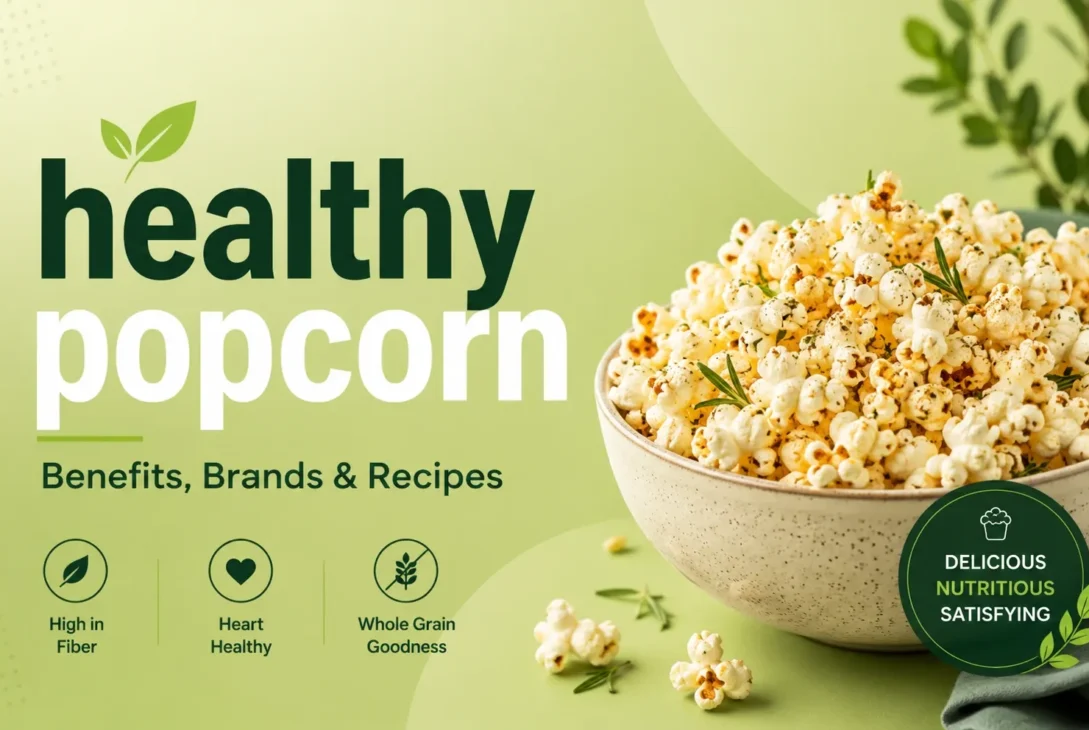
Popcorn has a reputation problem. Some people swear it’s a guilt-free snack, while others picture buttery movie theater tubs loaded with calories. So which is it? The truth is, healthy popcorn absolutely exists, but how you make it changes everything. In this guide, you’ll learn what makes popcorn good for you, when it turns into a not-so-healthy treat, and which brands actually deliver on their promises.
Is Popcorn Actually Healthy?
Nutritional Breakdown (Calories, Fiber, Carbs)
Plain, air-popped popcorn is surprisingly light. A single cup contains around 30 calories, a few grams of carbs, and a solid dose of fiber. That fiber content matters more than most people realize, since it keeps you fuller longer and supports steady digestion. You’re also getting a whole grain in its simplest form, which is rare for a snack you can eat by the handful. Compare that to popcorn vs chips healthier debates, and popcorn usually wins on volume alone. You can eat three cups of popcorn for the calorie cost of just a handful of chips.
What Makes It Healthy vs. Unhealthy
Here’s where things get tricky. Popcorn itself isn’t the problem, it’s what gets added to it. Drown it in butter or sugary coatings, and you’ve turned a whole grain snack into a calorie bomb. On the flip side, air-popped popcorn with light seasoning stays firmly in the healthy column. The cooking method and toppings, not the kernel, decide which side of that line you land on.
Health Benefits of Popcorn
High in Fiber & Whole Grains
Popcorn ranks among the few snack foods that count as a genuine whole grain. That’s a big deal, because most Americans don’t get enough whole grains in their diet. The fiber-rich whole foods angle isn’t just a nutrition buzzword here; it’s backed by real digestive and heart-health benefits. Whole grains like popcorn also tend to have a lower glycemic impact than refined snacks, which helps avoid those mid-afternoon energy crashes.
Low-Calorie Snack for Weight Management
If you’re watching your weight, popcorn deserves a spot in your rotation. It’s bulky, satisfying, and low in calories when prepared simply. For more ideas along these lines, check out these low-calorie snack options that pair well with a balanced eating plan. Snacking smarter doesn’t mean snacking less, it just means choosing foods that fill you up without filling out your calorie budget.
Antioxidant Content
Popcorn also packs polyphenols, plant compounds known for fighting inflammation and supporting cell health. Surprisingly, popcorn’s antioxidant concentration per serving can rival some fruits and vegetables, largely because it’s so low in water content. That’s not something most people associate with a movie-night snack, but it’s worth knowing.
When Popcorn Becomes Unhealthy
Butter, Salt & Sugar Overload
The moment you start drowning popcorn in butter, salt, or caramel, the health benefits start slipping away fast. A few tablespoons of butter alone can double or triple the calorie count of your bowl. Sugary kettle corn and heavily salted varieties create the same problem in a different flavor. Moderation here isn’t about deprivation, it’s about staying intentional with toppings.
Movie Theater vs. Homemade Comparison
Movie theater popcorn is often cooked in coconut oil and doused in artificial butter flavoring, pushing a medium bag well past 1,000 calories. Homemade popcorn, by contrast, lets you control every ingredient that touches the kernel. That difference alone explains why so many nutritionists recommend skipping the concession stand and popping your own batch at home instead.
How to Make Healthy Popcorn at Home
Best Cooking Methods (Air-Popped vs. Stovetop)
Air-popped popcorn is the gold standard for keeping calories low, since it requires zero oil. Stovetop popping with a small amount of healthy oil, like avocado or coconut oil, comes in as a close second and adds a bit more flavor. Microwave bags, on the other hand, often contain hidden trans fats and excess sodium. If you want true healthy popcorn, stick with air-popping or a light stovetop method.
Healthy Topping & Seasoning Ideas
Once your popcorn is popped, the seasoning is where the fun begins. Nutritional yeast, smoked paprika, cinnamon, or a light drizzle of olive oil can transform plain popcorn without piling on calories. For more inspiration, this collection of healthy popcorn seasoning recipes covers everything from savory herb blends to lightly sweet options. Homemade popcorn seasoning ideas like these also make it easier to involve kids in the kitchen, turning snack time into a small cooking lesson. If you’re meal-planning on a budget, popcorn fits nicely alongside other budget-friendly healthy meals families already rely on.
Best Healthy Popcorn Brands to Buy
Top Picks for Low Sodium/Low Calorie
If you’d rather skip the prep work, plenty of brands now offer genuinely healthy popcorn. Look for labels that list under 1 gram of sodium per serving and skip artificial flavoring entirely. Low sodium popcorn options have become much easier to find in regular grocery stores over the past few years, not just specialty health shops.
Gluten-Free & Organic Options
Since popcorn is naturally gluten-free, most brands fit this requirement without trying. However, organic certification varies, so it’s worth checking labels if pesticide exposure concerns you. Gluten-free popcorn snacks made from organic, non-GMO corn tend to carry a slightly higher price tag, but many shoppers find the quality difference worth it.
Healthy Popcorn FAQs
Is popcorn good for weight loss?
Yes, when prepared simply. Its fiber and low calorie density make it genuinely filling, which helps curb overeating later in the day. For more strategies that complement this approach, these weight loss snacking tips pair well with smarter snack choices like air-popped popcorn.
Can diabetics eat popcorn?
Generally, yes, in moderate portions. Popcorn has a lower glycemic index than many processed snacks, but portion control still matters since carbs add up quickly. Skipping sugary toppings is especially important for anyone managing blood sugar levels.
Conclusion
So, is popcorn healthy? The answer is a clear yes, as long as you keep the toppings simple and skip the movie theater tub. Air-popped, lightly seasoned popcorn delivers fiber, antioxidants, and genuine snacking satisfaction without wrecking your calorie goals. Pairing smart snacks like this with simple healthy habits can make a real difference over time. Next movie night, skip the butter bucket and pop your own batch instead, your body will thank you.