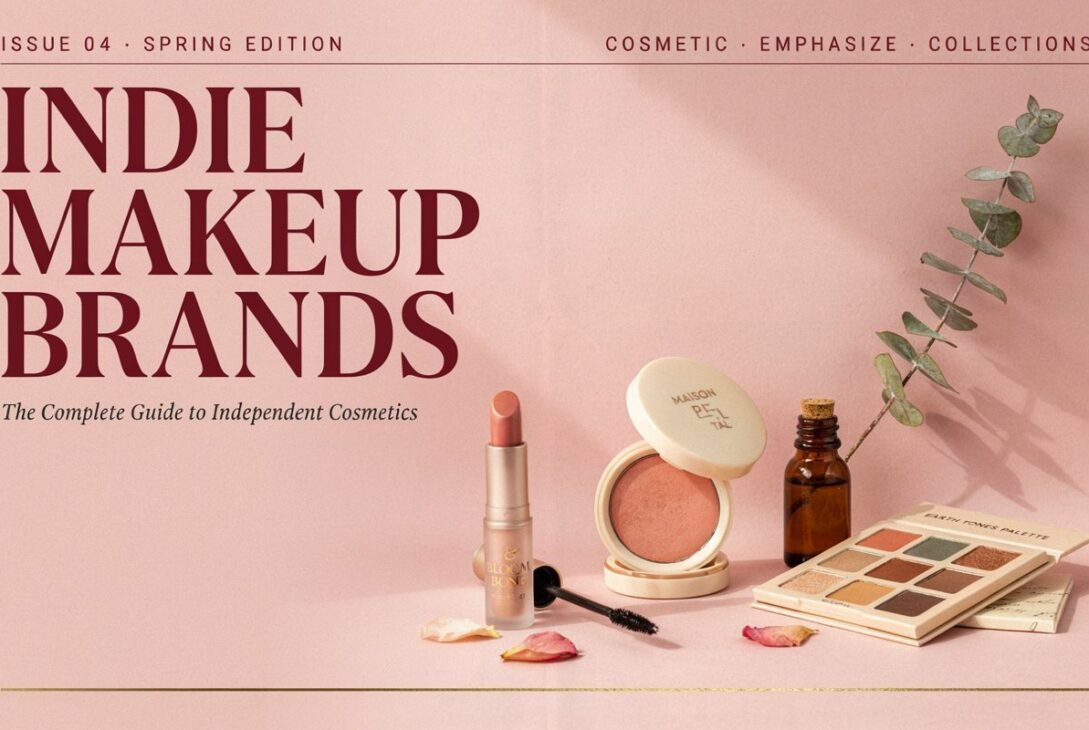
Walk through any beauty aisle today and you’ll notice something has shifted. The big-name displays still dominate the front of the store, but tucked into corners, online shops, and social media feeds, something else is thriving: indie makeup brands. These smaller, independently owned cosmetic companies have quietly rewired how people shop for beauty products, and for good reason.
This guide breaks down what indie makeup brands actually are, why they matter, how they compare to mainstream cosmetics, and how to build a collection that genuinely works for your skin and style.
What Are Indie Makeup Brands?
Indie makeup brands are cosmetic companies that operate independently, without ownership or backing from large beauty conglomerates. They’re typically founded by individual makeup artists, chemists, or beauty enthusiasts who wanted to create something the mass market wasn’t offering.
In simple terms: an indie brand is small, self-funded (or funded through small investors), and usually run by a tight team rather than a corporate structure.
Key traits that define indie makeup brands:
- Founded and operated independently, not owned by conglomerates like L’Oréal, Estée Lauder, or Coty
- Smaller production runs, often made in limited batches
- Direct-to-consumer sales through their own websites or small retail partnerships
- Strong founder involvement in product development
- Niche focus, such as vegan formulas, bold pigments, or specific skin concerns
Brands like Fenty Beauty started this way before scaling into a larger operation, while others like Colourpop, ColourPop, or Bite Beauty built loyal followings while staying independently minded in their approach to product development.
Why Indie Makeup Brands Are Gaining Popularity
The rise of indie cosmetics isn’t random. Several factors are driving people toward these smaller labels.
1. Unique Formulations You Won’t Find Elsewhere
Indie brands aren’t constrained by corporate approval chains. A founder can test a new pigment, tweak a formula, or launch an unusual shade range without waiting on a boardroom decision. This freedom often leads to more creative, unexpected products — think shifting duochrome eyeshadows or unconventional lip textures.
2. Transparency and Ingredient Honesty
Many indie cosmetic companies build trust by publishing full ingredient lists, sourcing details, and manufacturing practices upfront. Customers increasingly want to know exactly what touches their skin, and indie brands tend to answer that demand directly rather than burying details in fine print.
3. Inclusivity in Shade Ranges
Several indie brands were early adopters of extended foundation and concealer shade ranges, long before larger companies followed suit. This responsiveness to real customer feedback is a hallmark of smaller operations — they can adjust quickly because they aren’t slowed by large-scale manufacturing contracts.
4. Community-Driven Growth
Indie beauty brands often grow through genuine word-of-mouth, small creator partnerships, and active engagement on social platforms rather than massive ad budgets. This creates a sense of connection between the brand and its customers that’s harder to replicate at a corporate scale.
Indie Makeup Brands vs. Traditional Cosmetics: Key Differences Explained
| Factor | Indie Brands | Mainstream Brands |
|---|---|---|
| Production scale | Small batch, limited runs | Mass-produced |
| Pricing | Mid-to-premium, varies widely | Wide range, often cheaper at drugstore tier |
| Availability | Mostly online, some retail | Widely available in stores globally |
| Innovation speed | Fast, flexible | Slower, more testing cycles |
| Ingredient transparency | Often high | Varies by company |
| Shade/formula range | Frequently niche or specialized | Broad, general-purpose |
Neither category is universally “better.” Mainstream brands offer consistency, accessibility, and often more rigorous large-scale testing. Indie brands offer creativity, niche solutions, and closer brand-to-customer relationships. The right choice depends on what you’re prioritizing: convenience or individuality.
How to Emphasize Quality When Choosing an Indie Makeup Brand
Not all indie cosmetic labels are created equal. Some genuinely invest in research and safety testing; others are little more than repackaged white-label products. Here’s how to evaluate one properly.
Check for Ingredient Disclosure
A trustworthy indie brand will list full ingredients, not just marketing buzzwords like “natural” or “clean.” Look for INCI (International Nomenclature of Cosmetic Ingredients) names on packaging or their website.
Look for Manufacturing Standards
Reputable indie brands typically manufacture in FDA-registered facilities (in the US) or comply with equivalent cosmetic safety regulations in their home country. If a brand can’t answer basic questions about where products are made, that’s worth noting.
Read Real Reviews, Not Just Influencer Posts
Sponsored content can make any product look flawless. Cross-check claims against independent reviews, r/MakeupAddiction-style forums, or verified purchase reviews on retailers like Ulta or Sephora, where indie brands are increasingly stocked.
Patch Test New Products
This applies to indie and mainstream products alike. Smaller batch sizes sometimes mean formulas change between production runs, so patch testing a new purchase — even from a brand you already trust — is a smart habit.
Building a Balanced Indie Makeup Collection
If you’re new to indie cosmetics, it helps to build a collection gradually rather than replacing your entire routine overnight.
A practical starting order:
- Start with pigmented eyeshadows or blushes — these are often where indie brands shine creatively, and a single pan or palette is a low-risk entry point.
- Add a complexion product once you trust the brand — foundations and concealers require more shade-matching, so it’s smart to build confidence first.
- Explore lip products next — indie lip formulas often experiment with finishes (metallic, blurred matte, glossy stain) that larger brands are slower to release.
- Save skincare-adjacent products for last — primers, setting sprays, and skin tints benefit from a longer track record of reviews since they interact more directly with skin health.
Testing products individually gives you the chance to assess their performance, pigment, durability, and skin-friendly formulation before committing to the entire range
Popular Categories Within Indie Cosmetics
Indie makeup brands tend to specialize rather than offer everything at once. Common categories include:
- Eyeshadow-focused brands — known for pigment-rich palettes and unusual finishes like foil, duochrome, or multichrome
- Lip-focused brands — specializing in lip glosses, tints, and balms with unique textures
- Clean and vegan beauty brands focus on ethical formulations, featuring cruelty-free certifications and naturally inspired, plant-based ingredients
- Bold color brands — bright, saturated shades for eyeliner, blush, or lipstick that push beyond typical mainstream palettes
- Skin-first makeup brands — blending skincare ingredients like hyaluronic acid or niacinamide directly into foundations and tinted moisturizers
Understanding which category a brand falls into helps set realistic expectations before you buy.
Supporting Small Businesses Through Indie Beauty
Choosing indie makeup brands often means supporting independent entrepreneurs, many of whom come from underrepresented communities within the beauty industry. For many consumers, this goes beyond purchasing cosmetics—it’s an opportunity to invest in diverse creators, encourage innovation, and make a meaningful contribution to the small businesses behind the products they love.
That said, it’s worth balancing this motivation with practical evaluation. Supporting a small business is a good reason to try a brand; it isn’t a reason to ignore ingredient safety, return policies, or genuine product quality.
Smart Shopping Tips: Mistakes to Avoid with Indie Makeup Brands
- Buying based on packaging alone — attractive branding doesn’t guarantee formula quality
- Ignoring return and exchange policies — smaller brands sometimes have stricter or unclear return terms
- Overlooking shipping times — many indie brands are made-to-order or ship in small batches, so delivery can take longer than mainstream retailers
- Skipping shade-matching tools — not all indie sites offer virtual try-on or detailed swatch photos, so read multiple reviews across skin tones before buying foundation or concealer
Frequently Asked Questions
What exactly makes a makeup brand “indie”?
An indie makeup brand is independently owned and operated, without financial backing or ownership from a large beauty conglomerate. It typically has a smaller team, smaller production runs, and closer founder involvement in product decisions.
Are indie makeup brands safe to use?
Many indie brands manufacture in regulated, certified facilities and follow standard cosmetic safety practices. Safety varies by brand, so checking ingredient lists, manufacturing details, and independent reviews is recommended before purchasing.
Are indie makeup brands more expensive than drugstore brands?
Pricing varies. Some indie brands sit in the mid-range, comparable to prestige drugstore lines, while others price closer to luxury cosmetics due to smaller production scales and specialty ingredients.
Where can I buy indie makeup brands?
Most indie brands sell directly through their own websites. Some are also stocked at retailers like Ulta, Sephora, or specialty beauty boutiques, which often vet brands before carrying them.
Do indie makeup brands test on animals?
This varies by company. Many indie brands market themselves as cruelty-free, but it’s worth verifying certification through recognized bodies like Leaping Bunny rather than relying solely on brand claims.
How do I know if an indie brand’s shade range will match my skin tone?
Look for brands with extensive swatch photos across different skin tones, read reviews from people with similar undertones, and check if the brand offers sample sizes before committing to full-size purchases.
Can indie makeup brands compete with mainstream quality?
Many indie brands match or exceed mainstream quality in specific categories, particularly pigmented eyeshadows and specialty lip products. Consistency across batches can vary more than with large manufacturers, so checking recent reviews is helpful.
Final Thoughts
Indie makeup brands have earned their place in the beauty world by offering something mass-market cosmetics often can’t: creativity, transparency, and a direct connection between founder and customer. They’re not automatically superior to mainstream brands, but for shoppers looking for unique formulas, niche shade ranges, or a more personal buying experience, indie cosmetics offer real value.
The smartest approach is a balanced one — explore indie brands with curiosity, but evaluate them the same way you would any cosmetic purchase: check ingredients, read genuine reviews, patch test new products, and build your collection gradually. Done right, indie makeup can become one of the most rewarding corners of your beauty routine