If you’ve ever looked in the mirror and noticed a small, red, painful bump on the tip or side of your tongue, you’ve probably typed “lie bumps” into a search bar out of curiosity — or worry. The name itself is a little strange, and it’s tied to an old myth that these bumps appear when someone tells a lie. That’s not true, but the condition behind it is very real, very common, and almost always harmless.
This guide breaks down everything you need to know about lie bumps: what they actually are, why they show up, how to tell them apart from more serious tongue conditions, and what you can do to get rid of them faster.
What Are Lie Bumps?
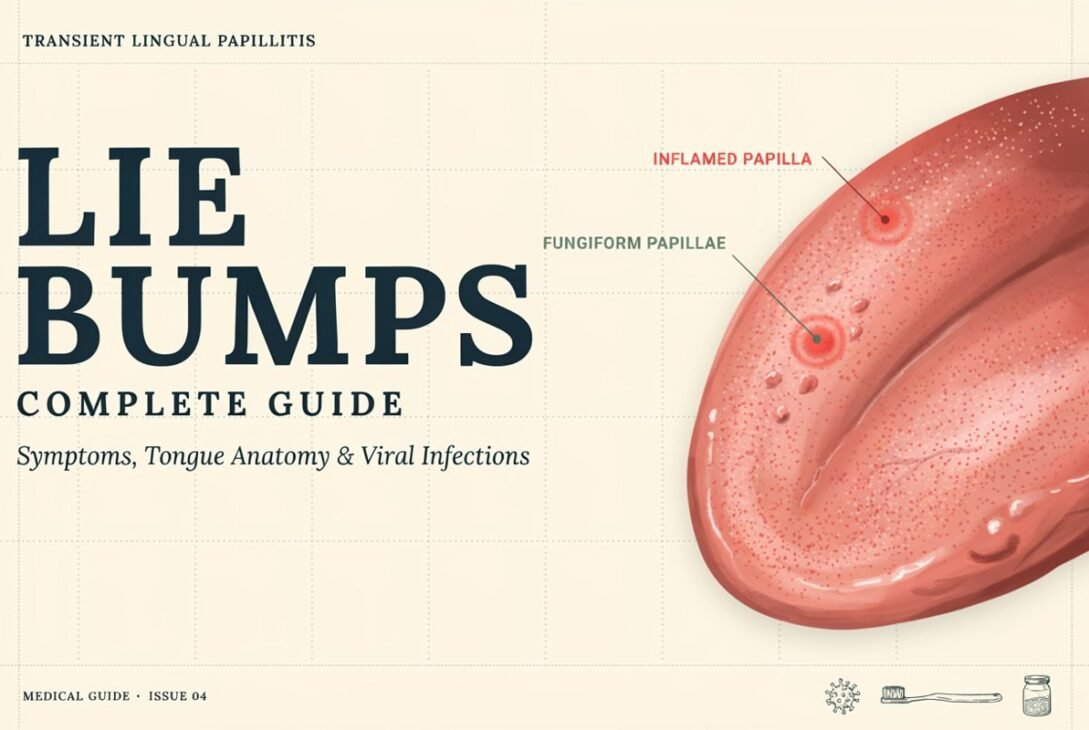
Lie bumps is the informal name for a condition doctors call transient lingual papillitis. It refers to the temporary swelling and inflammation of the tiny bumps on your tongue called fungiform papillae.
Your tongue is covered in small projections called papillae. Most of them are too small to notice, but fungiform papillae — the ones responsible for taste — are slightly larger and more visible, especially near the tip and edges of the tongue. When these papillae become irritated or inflamed, they swell up, turn white, red, or yellowish, and can feel tender or even painful when you eat, talk, or brush your teeth.
Quick definition: Lie bumps are small, temporary, inflamed taste buds on the tongue, medically known as transient lingual papillitis. They are not caused by lying — the name comes from an old folk belief with no scientific basis.
The good news is that lie bumps are usually a minor, self-limiting issue. Most cases clear up within a few days without any treatment at all.
Why Are They Called “Lie Bumps”?
The nickname comes from a piece of folklore, most popular in parts of the southern United States, suggesting that these bumps pop up on your tongue as punishment for telling a lie. It’s a fun bit of superstition passed down through generations, similar to old wives’ tales about hiccups or warts.
In reality, there’s no medical connection between honesty and tongue papillae. The actual triggers are physical or biological — irritation, minor injury, stress, or infection — not moral behavior. Still, the name has stuck around because it’s memorable, and it remains one of the most searched terms for this condition.
Common Symptoms of Lie Bumps
Recognizing lie bumps is usually straightforward once you know what to look for. Typical symptoms include:
- Small, raised bumps on the tip, sides, or top of the tongue
- Bumps that appear white, red, or yellowish
- A burning or tingling sensation, especially with hot, spicy, or acidic foods
- Mild to moderate tenderness or pain when chewing or talking
- Swelling limited to just one or a few papillae, rather than the whole tongue
- Bumps that come and go, often clearing up in 3 to 10 days
In most cases, only one or two papillae are affected at a time, though it’s possible to have several inflamed spots at once, particularly during a bout of stress or illness.
What Lie Bumps Are Not
It helps to know what lie bumps are not, since several other tongue conditions can look similar at first glance:
- Canker sores are shallow ulcers with a white or yellow center and a red border, usually found on the inside of the cheeks, lips, or underside of the tongue — not on the papillae themselves.
- Oral thrush causes creamy white patches across the tongue and inside of the mouth and is caused by a yeast overgrowth (Candida).
- Geographic tongue creates smooth, irregular red patches with white borders that shift location over time, giving the tongue a map-like appearance.
- Cold sores appear on or around the lips, not typically on the tongue surface, and are caused by the herpes simplex virus.
If your bumps don’t match the typical pattern of lie bumps, or they last longer than two weeks, it’s worth getting checked by a dentist or doctor.
What Causes Lie Bumps?
There isn’t one single cause of transient lingual papillitis. Instead, several triggers can inflame the papillae, and sometimes more than one factor is at play at once.
1. Physical Irritation or Trauma
Biting your tongue, brushing too hard, or eating something sharp-edged (like a chip or cracker) can injure a papilla and cause it to swell.
2. Acidic or Spicy Foods
Highly acidic foods — citrus fruits, tomatoes, vinegar-based dressings — and spicy dishes can irritate the sensitive surface of the tongue, triggering inflammation in susceptible people.
3. Stress and Fatigue
Many people notice lie bumps appearing during periods of high stress or poor sleep. While the exact mechanism isn’t fully understood, stress is known to affect immune response and can make oral tissues more reactive to irritation.
4. Hormonal Changes
Some individuals report flare-ups linked to hormonal shifts, including those related to the menstrual cycle, suggesting a possible hormonal influence on papillae sensitivity.
5. Viral Infections
This is where the “viral infections” part of lie bumps becomes relevant. Certain viral illnesses — including the common cold, flu, and other upper respiratory infections — can trigger a cluster of inflamed papillae as the immune system responds to the infection. This is sometimes referred to as eruptive lingual papillitis, a related condition that tends to affect children more often and can come with fever, swollen lymph nodes, and more widespread tongue discomfort.
6. Allergic Reactions
Mild allergic responses to certain foods, toothpaste ingredients (like sodium lauryl sulfate), or mouthwashes can also inflame the tongue’s surface.
7. Digestive Sensitivities
Some people notice a pattern between eating certain trigger foods — such as highly processed or sugary snacks — and the appearance of lie bumps, possibly linked to mild digestive irritation.
Lie Bumps and Viral Infections: What’s the Connection?
One of the more interesting aspects of this condition is its link to viral illness. When your body fights off a virus, your immune system ramps up activity throughout your body, including in oral tissues. This heightened immune response can cause temporary swelling in the fungiform papillae.
This is particularly common in children, who may develop several inflamed, painful bumps on the tongue alongside a cold or fever. In adults, a single lie bump appearing during or right after a cold is also fairly typical.
Because viral infections are usually self-resolving, the associated lie bumps tend to clear up as the underlying illness improves — generally within a week to ten days.
Key takeaway: If lie bumps show up alongside other cold or flu symptoms, they’re very likely connected to your immune response and should fade as you recover.
How Long Do Lie Bumps Last?
For most people, lie bumps resolve within 3 to 10 days without any specific treatment. Since the inflamed papilla is essentially healing itself, patience combined with a few soothing habits is often all that’s needed.
If a bump persists for more than two weeks, keeps recurring in the same spot, or is accompanied by other symptoms like unexplained weight loss, difficulty swallowing, or a growing lump, it’s important to see a healthcare provider to rule out other causes.
How to Treat Lie Bumps at Home
While lie bumps typically go away on their own, these simple steps can ease discomfort and may help speed up healing:
- Rinse with warm salt water. A simple saltwater rinse a few times a day can reduce inflammation and keep the area clean.
- Avoid trigger foods. Skip spicy, acidic, salty, or crunchy foods until the bump heals.
- Stay hydrated. Drinking plenty of water supports oral tissue healing and reduces irritation.
- Use a soft-bristled toothbrush. Gentle brushing prevents further trauma to the tongue.
- Try over-the-counter oral gels. Products designed for mouth sores can numb the area and reduce discomfort.
- Suck on ice chips or eat cold foods. Cold temperatures can numb pain and reduce swelling.
- Manage stress. Since stress is a known trigger, relaxation techniques, adequate sleep, and regular exercise may help prevent flare-ups.
- Practice good oral hygiene. Regular brushing and flossing reduce the chance of secondary irritation or infection.
Most people find that a combination of avoiding irritants and rinsing with salt water is enough to manage symptoms comfortably while the bump heals.
When to See a Doctor or Dentist
Lie bumps are almost always benign, but certain warning signs mean it’s time for a professional evaluation:
- The bump lasts longer than two weeks
- Pain is severe or worsening
- You notice fever, difficulty swallowing, or trouble breathing
- Multiple bumps spread rapidly across the tongue
- You have a sore that doesn’t heal, changes shape, or bleeds
- You’re unsure whether it’s a lie bump or something else, like a canker sore or oral lesion
A dentist or doctor can examine your tongue, ask about recent illnesses or dietary habits, and rule out other conditions that may need specific treatment.
Can Lie Bumps Be Prevented?
While you can’t always prevent lie bumps entirely, especially those tied to viral illness, a few habits can lower your risk:
- Limit spicy and acidic food intake if you’re prone to flare-ups
- Use a toothpaste without sodium lauryl sulfate if you suspect sensitivity
- Manage stress through consistent sleep and relaxation habits
- Chew food carefully to avoid biting your tongue
- Stay on top of hydration and general oral hygiene
Frequently Asked Questions About Lie Bumps
1. Are lie bumps caused by actually lying?
No. This is a folk myth with no medical basis. Lie bumps are caused by physical irritation, stress, viral infections, or food sensitivities — not dishonesty.
2. Are lie bumps contagious?
Lie bumps themselves are not contagious. However, if they’re triggered by a viral infection like a cold or flu, the underlying virus can spread to others through respiratory droplets.
3. Can lie bumps be a sign of something serious, like oral cancer?
In the vast majority of cases, no. Lie bumps are temporary and resolve on their own. Persistent sores, lumps that don’t heal, or lesions that change over weeks should be checked by a doctor, since these could indicate something unrelated to transient lingual papillitis.
4. Why do I keep getting lie bumps repeatedly?
Frequent flare-ups are often linked to ongoing triggers such as chronic stress, a diet high in acidic or spicy foods, or sensitivity to certain oral care products. Tracking your diet and habits can help identify a pattern.
5. Do lie bumps hurt?
Many people experience mild tenderness, burning, or a tingling sensation, particularly when eating hot, spicy, or acidic foods. Pain is usually mild to moderate and improves within a few days.
6. What’s the difference between lie bumps and canker sores?
Lie bumps are swollen taste buds (papillae), usually on the top or edges of the tongue. Canker sores are shallow ulcers with a defined white center and red border, typically found on the inner cheeks, lips, or underside of the tongue.
7. Can children get lie bumps?
Yes. Children are actually more prone to a related condition called eruptive lingual papillitis, which often appears alongside a viral illness and may involve multiple painful bumps, mild fever, and swollen lymph nodes.
Final Thoughts
Lie bumps are one of those small, sometimes alarming symptoms that turn out to be far less serious than they look. Despite the odd name, they have nothing to do with honesty — they’re simply your tongue’s papillae reacting to irritation, stress, or a passing viral infection. In most cases, a little patience, some gentle home care, and avoiding trigger foods are all it takes for them to disappear within a week or two.
That said, your tongue can be a useful indicator of overall health. If a bump lingers, grows, or comes with other concerning symptoms, don’t hesitate to check in with a dentist or doctor. Paying attention to these small signals is a simple but effective way to stay on top of your oral health.