Some folks do alright lying down and dreadful as soon as they get up. Some people notice a rapid heartbeat after showering, while others experience unexplained excessive sweating or sweat less than usual. The problems may seem unconnected; doctors usually treat them individually. Sometimes they have one basic cause: dysautonomia.
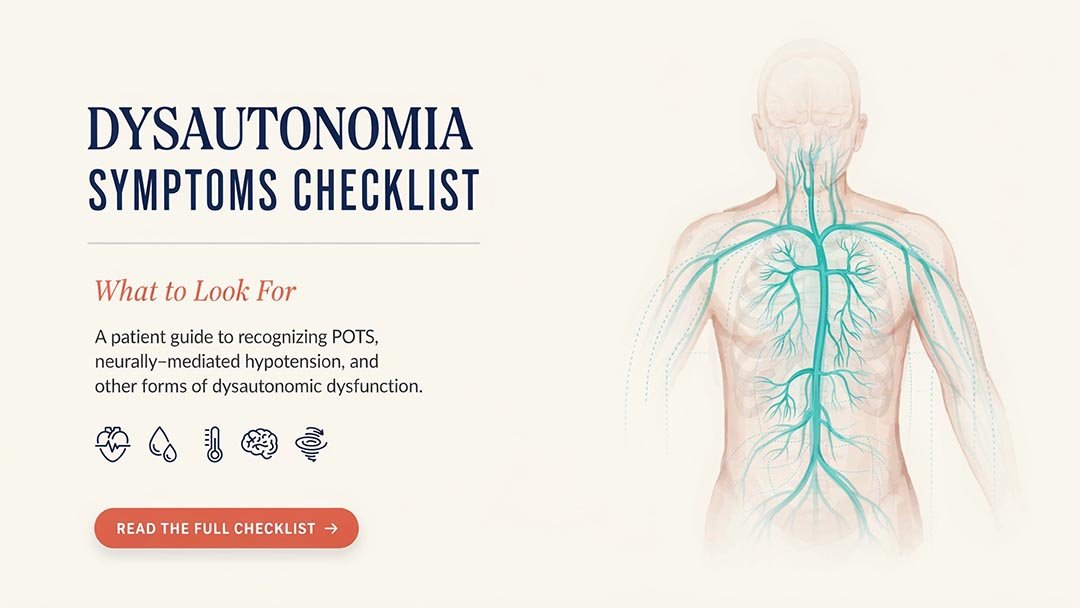
This book will discuss the most prevalent dysautonomia symptoms, how they manifest in day to day living, what causes them, and how clinicians diagnose and treat them. It is instructive and not a replacement for medical treatment
What Is Dysautonomia?
Dysautonomia is a word that refers to a group of conditions that result when the autonomic nerve system does not perform properly. The system controls automatic bodily functions, such as heart rate, blood pressure, digestion, body temperature, perspiration, and the management of the bladder.
When it goes wrong, the body can’t cope with normal stresses such as standing, eating or warming up. Dysautonomia is not a disease. It is a set of conditions that might be minor or disabling, short-term or long-lasting.
The most popular varieties are:
- Postural orthostatic tachycardia syndrome (POTS) Abnormal increase in heart rate upon standing
Neurogenic orthostatic hypotension (nOH): a dramatic drop in blood pressure upon standing due to difficulties with nerve signalling
Vasovagal syncope (neurocardiogenic syncope): fainting caused by a rapid fall in heart rate and blood pressure
Autonomic neuropathy: nerve injury, commonly in the setting of diabetes, that results in autonomic dysfunction
Multiple System Atrophy and Pure Autonomic Failure: Rare, progressive disorders
Dysautonomia Symptoms List: The Core Checklist
Because the autonomic nervous system regulates many of the body’s organs, dysautonomia symptoms can differ significantly from one person to another.. Here is a practical dysautonomia symptoms list, grouped by body system.
Heart and Circulation Symptoms
- Tachycardia (rapid heart rate), particularly when standing up
Heart racing or palpitations
Lightheadedness or dizziness on standing
Fainting or feeling as though you are about to lose consciousness
Purple or blotchy skin on the hands or feet, blood collecting in the legs;
Cold hands and feet
Unexplained chest pain of cardiac origin
When standing low blood pressure, or, in certain persons, blood pressure swings
Brain and Nervous System Symptoms
- ““Brain fog” difficulty concentrating or finding words
Headaches include migraines
Blurry or tunnel vision when getting up
Severe tiredness that won’t go away with rest
Problems with sleep and problems with non-refreshing sleep
Anxiety-like feelings, such as shakiness and a feeling of dread, not anxiety as the reason
Digestive Symptoms
- Nausea, especially after meals
- Feeling full after only a few bites
- Bloating, constipation, or diarrhea
- Slow stomach emptying (gastroparesis)
-
Loss
of appetite
Temperature and Sweating Symptoms
- Excessive sweating or very little sweating
- Heat intolerance, where hot weather, hot showers, or warm rooms make symptoms much worse
- Feeling chilled even when others are comfortable
Bladder and Other Symptoms
- Frequent urination or trouble emptying the bladder
- Exercise intolerance
- Shortness of breath with mild exertion
- Muscle weakness or shakiness
- Sensitivity to light or sound
You rarely have all of these. Most people have a cluster of five to ten that fit a pattern.
Symptoms That Often Give It Away
The symptoms are prevalent and non-specific. The pattern and the triggers point toward dysautonomia. Watch your symptoms:
- Worse when standing and better when lying down
Flare when hot or after large meals or a hot shower
Get worse when dehydrated, sick or tired
It comes in waves, there are good days and horrible days
After a viral infection, surgery, pregnancy or concussion
Keep a record of these patterns if you see them. One of the most helpful things you can bring to an appointment is a simple log of symptoms, triggers and time.
Dysautonomia Symptoms Reddit: What Real Patients Describe
A lot of people find out about dysautonomia via reading personal stories in internet communities. Searching for “dysautonomia symptoms reddit” turns up thousands of discussions in which people compare experiences.
These communities can be useful. They reveal how symptoms vary considerably, and many people report feeling pleased to find they aren’t alone. Some common themes include:
- Spending years having symptoms dismissed as nothing more than anxiety or stress.
Heart rate increases after standing, eating, or showering
Fatigue out of proportion to activity
Practical recommendations such as electrolyte drinks, compression socks, and pacing
There’s a caveat, though. Online posts are personal stories, not medical diagnosis Heart rhythm disorders, thyroid illness, anaemia and other conditions might have similar symptoms. Use these groups for support and suggestions and a clinician for answers.
Why Dysautonomia Happens
Causes differ by type. Some people are born with a susceptibility to it and some conditions are inherited. In some people it occurs after a trigger or alongside another ailment. Notable contributors include:
- Viral diseases such as post viral sickness
Autoimmune disease
Other causes of neuropathy, including diabetes
Connective tissue diseases, such as Ehlers-Danlos syndrome
Physical trauma/concussion
Some drugs
Rare progressive forms of neurodegenerative illnesses
In many cases there is no one particular cause found. That doesn’t imply the symptoms aren’t genuine, or aren’t curable.
How Dysautonomia Is Diagnosed
There is no one blood test for dysautonomia. Diagnosis is mainly based on your history and certain tests that measure your body’s response to changes in position.
- Commonly used tests
Active stand test. Your heart rate and blood pressure are recorded while lying down and then again after you have been standing for up to 10 minutes. The POTS criteria include: a sustained increase in heart rate of 30 or more beats per minute (40 or more in teenagers) without significant change in blood pressure and persistent symptoms.
Tilt table test: You lie on a table that is tilted up and your pulse rate and blood pressure are monitored.
Autonomic reflex testing: assessment of sweating, respiration and blood pressure responses.
Blood tests and ECG – to check for anaemia, thyroid problems, electrolyte problems and difficulties with the rhythm of the heart.
These findings are most typically interpreted by cardiologists, neurologists, or autonomic disease specialists.
Dysautonomia Symptoms Treatment: What Helps
Treatment depends on the type of dysautonomia and which symptoms are most bothersome. Most regimens start with lifestyle modifications and incorporate medication as needed. Any adjustment in salt, fluids or medicine should be discussed with your doctor.
Self Management and Lifestyle
Fluids: Many physicians recommend increasing fluid consumption, often 2 to 3 litres/day for POTS
Salt: some patients are advised to increase their sodium intake but this isn’t safe for all individuals, notably those with high blood pressure or kidney or heart issues
Compression clothing: Waist-high stockings or abdominal bands help to limit the pooling of blood
Have smaller, more frequent meals. Large meals might draw blood to the intestines and worsen discomfort.
Slow changes in position Before you do, sit on the edge of the bed but stand up
Fans not getting too hot Cold showers
Graded exercise Recumbent options include rowing, swimming or a recumbent bike. These are often more tolerable and can ease symptoms over time.
Sleep, head of bed lifted considerably sometimes
Medications
There is no single drug for dysautonomia. Doctors choose based on the symptom. Options sometimes used include:
- Fludrocortisone, to help the body retain fluid
- Midodrine or droxidopa, to raise blood pressure (droxidopa is used for neurogenic orthostatic hypotension)
- Low-dose beta blockers or ivabradine, to slow a racing heart
- Pyridostigmine, in some cases
Response varies a lot from person to person, so finding the right approach can take time and patience.
Treating the Underlying Cause
If an autoimmune condition, diabetes, or medication side effect is involved, treating that cause may ease symptoms. That is why a full evaluation matters.
When to See a Doctor
Make an appointment if you have frequent dizziness, fainting, racing heart or unexplained tiredness, especially if your symptoms change with position or interfere with work, school or daily life.
Chest pain. Fainting or severe injury. Severe shortness of breath. Rapid heartbeat that does not go away. Sudden weakness, trouble speaking, or confusion. If you have any of these, get emergency care right soon.
Getting Ready for Your Appointment
A little prep will help your doctor connect the dots:
- Keep a 2 week log of symptoms, triggers and what helped.
If you have a home monitor or smartwatch, look at your resting and standing heart rate (these are general guides, not a diagnostic evidence)List of all medications and supplements:
Please list any recent illness, injury or major life events
Ask about a family history of fainting, autoimmune disease or abnormalities of connective tissue
Frequently Asked Questions
What Are the Most Frequent Dysautonomia Symptoms?
The most common symptoms include lightheadedness on standing, rapid heart rate, fatigue, brain fog, nausea and heat intolerance. Fainting or pre-fainting are also prevalent, especially in POTS and vasovagal syncope.
Do dysautonomia symptoms come and go?
Yes. We all have our highs and lows. Heat, dehydration, illness, stress, hormone fluctuations and poor sleep can induce flares. Regular management may improve symptoms.
What is Postural Orthostatic Tachycardia Syndrome (POTS)?
No. POTS is a type of dysautonomia. Dysautonomia is the umbrella term that includes orthostatic hypotension, vasovagal syncope, autonomic neuropathy but not limited to.
Anxiety could cause comparable symptoms.
Anxiety can cause you to feel unsteady, dizzy and have a racing heart, which is why the two are often confused. The main difference is that dysautonomia symptoms tend to involve posture, heat and hydration, and may be objectively tested. The two can co-exist; thorough investigation can separate them.
Is dysautonomia curable?
Some types, particularly those that occur after an infection or illness, improve or go away with time. Some are long lasting, but controllable. Treatment is aimed at lowering symptoms and enhancing functioning in daily life
what doctor treats dysautonomia?
It is most typically diagnosed and treated by cardiologists (particularly those in electrophysiology), neurologists and autonomic specialists. Start with your primary care doctor, who can refer you.
Can dysautonomia be dangerous?
Most are not life-threatening but can have a major effect on quality of life and fainting can cause damage. Some uncommon kinds are progressing and require professional care. The best way to find out where you stand is to get thoroughly assessed.
Abstract
Symptoms of dysautonomia are many and varied, but in general they can be grouped into patterns of problems standing, fluctuations in heart rate and blood pressure, weariness, stomach disturbance, and heat sensitivity. If your personal list of symptoms sounds familiar, a sensible next step is to note your triggers and talk to your doctor.
With the appropriate diagnosis, many people get significant relief with water, compression, pacing, mindful exercise and medications, when needed. Online communities may provide support but you’ll find answers from a good medical evaluation.