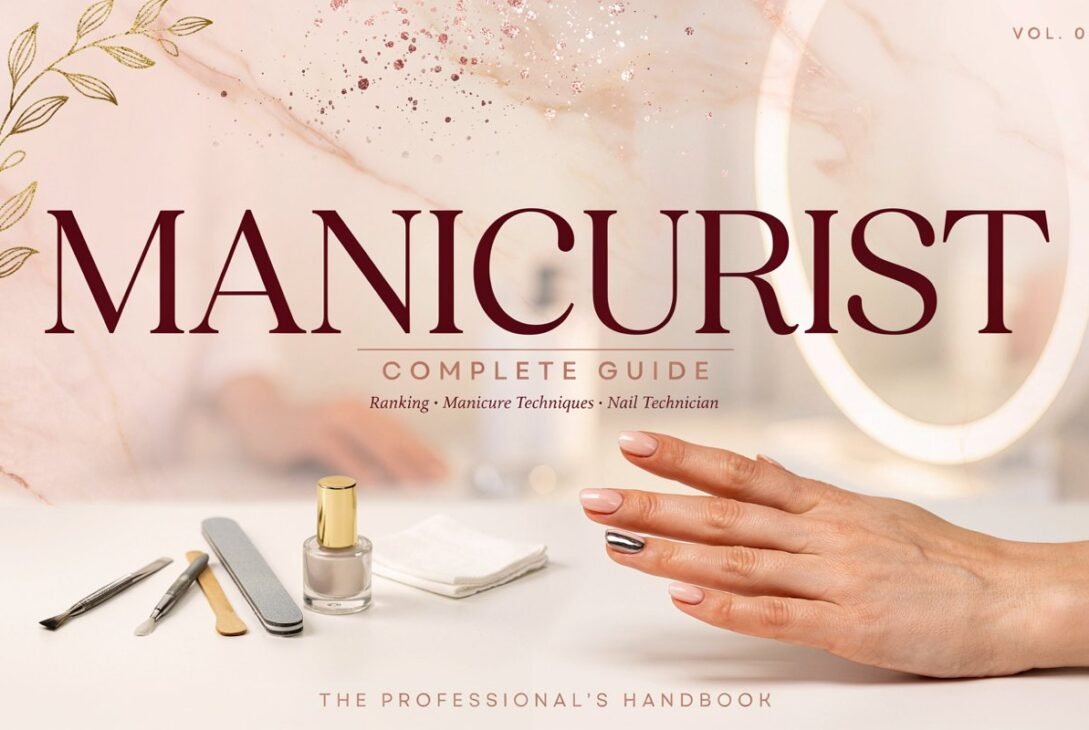
Nail care has grown from a once-a-month luxury into a weekly ritual for millions of people. At the center of this industry stands the manicurist — a trained professional who shapes not just nails, but confidence. Whether you’re considering a career as a nail technician or you simply want to understand what separates a good manicurist from a great one, this guide covers everything you need to know.
What Is a Manicurist?
A manicurist is a licensed beauty professional who specializes in nail care, including shaping, filing, cuticle treatment, polishing, and various nail enhancement techniques. Some people use the terms “manicurist” and “nail technician” interchangeably, and in most everyday contexts, that’s accurate. However, a nail technician often has broader training that includes acrylics, gel extensions, and pedicure services, while a manicurist traditionally focuses on natural nail care and polish application.
In short:
- Manicurist — focuses on natural nail grooming, cuticle care, and polish
- Nail technician — broader scope, includes extensions, gels, acrylics, and pedicures
- Nail artist — focused on artistic, design-driven nail work rather than basic care
Most professionals today are trained across all three areas, so the lines blur in practice.
Why Manicurists Matter More Than People Realize
A lot of people think of a manicure as purely cosmetic. That’s only part of the picture. A skilled manicurist also plays a role in:
- Spotting early signs of nail infections or skin conditions
- Preventing ingrown nails through proper filing technique
- Maintaining hand hygiene and reducing bacterial buildup
- Supporting mental wellbeing through self-care routines
For individuals whose hands are exposed to daily wear and tear, professional manicures can help maintain healthier nails and minimize issues that often arise from incorrect home nail care practices.
Core Manicure Techniques Every Nail Technician Should Master
If you’re training to become a manicurist, or just curious about what happens behind the chair, here are the foundational techniques.
1. Nail Shaping
Shaping is the first skill every nail technician learns. Common shapes include:
- Square — straight sides, flat tip
- Round — natural, low-maintenance shape
- Oval — elongates the finger
- Almond — tapered, elegant look
- Coffin/Ballerina — trendy, flat tip with tapered sides
- Stiletto — sharp, pointed tip
The right shape depends on nail bed width, finger length, and lifestyle. A manicurist should always ask about a client’s daily activities before recommending a shape — someone who types all day needs a different shape than someone who works in a kitchen.
2. Cuticle Care
Cuticle work is where amateur and professional manicures differ the most. A trained manicurist gently pushes back the cuticle rather than cutting it aggressively, since over-cutting can lead to infection and slower regrowth. Proper cuticle oil application afterward locks in moisture and keeps the nail bed healthy.
3. Buffing and Filing
Buffing polishes the nail plate itself, leaving behind a soft, healthy sheen without a single coat of color. Skilled technicians file in a single direction with light, even strokes. A back-and-forth motion roughens the nail edge and causes it to split or thin over time.
4. Polish Application
This sounds simple, but even seasoned clients notice the difference between a rushed polish job and a professional one. Key steps include:
- Base coat for adhesion and nail protection
- Two thin coats of color (thick coats cause bubbling and slow drying)
- Top coat for shine and chip resistance
- Cuticle oil to finish
5. Gel and Acrylic Application
Gel manicures use UV or LED light to cure polish, giving a longer-lasting finish — often two to three weeks compared to five to seven days for regular polish. Acrylics involve a liquid-and-powder mixture that hardens into a durable extension, popular for length and strength.
Manicurist vs. Nail Technician: Which Do You Need?
| Service Need | Best Professional |
|---|---|
| Basic natural nail care | Manicurist |
| Gel or acrylic extensions | Nail Technician |
| Nail art and design | Nail Artist |
| Pedicure + manicure combo | Nail Technician |
| Nail health concerns | Manicurist (with dermatologist referral if needed) |
If you’re unsure, most salons train staff across all these skill sets, so asking directly at booking is the simplest approach.
How to Become a Licensed Manicurist
Becoming a manicurist typically involves a structured path, though exact requirements vary by country and state.
Step-by-Step Path
- Complete a cosmetology or nail technology course — usually 100 to 600 hours depending on region
- Successfully complete a licensing exam covering infection control, nail and skin anatomy, and practical technique
- Apply for a state or regional license
- Gain hands-on experience through an apprenticeship or salon position
- Consider specialization in gel extensions, nail art, or medical pedicures
Licensing exists for good reason — it ensures manicurists understand sanitation protocols, tool sterilization, and basic nail pathology, which protects both the client and the technician.
Ranking Factors: What Makes a Manicurist “The Best” in Their Area
The most respected nail technicians stand out for more than their technical skills—they earn their reputation through consistent results, professionalism, and outstanding client care.
For Clients Searching for a Manicurist
Look for:
- Valid license displayed or available on request
- Clean, sterilized tools — ideally sealed in sanitized pouches
- Reviews mentioning consistency, not just one-time results
- An authentic portfolio built from real client transformations, not staged or stock images
- Clear pricing with no hidden add-ons
For Manicurists Building Their Reputation
- Maintain consistent before/after photo documentation
- Ask satisfied clients for detailed reviews, not just star ratings
- Stay updated on trending techniques through continuing education
- Invest in quality products — cheap gels and acrylics damage the natural nail long-term
- Build an online presence through Instagram or a simple portfolio website
Common Nail Health Mistakes a Good Manicurist Will Fix
Even people who get manicures regularly often carry bad habits from home care. A knowledgeable manicurist will typically correct:
- Aggressively cutting the cuticles, a common mistake that can expose the nail bed to harmful bacteria and inflammation
- Filing in a back-and-forth motion, which weakens the nail structure
- Skipping base coat, which stains the natural nail with pigmented polish
- Ripping off gel polish rather than removing it properly, which pulls away healthy layers of the nail plate
- Ignoring hydration, leading to brittle, cracking nails
Trends Shaping the Manicure Industry Today
The nail industry evolves quickly, and manicurists who stay current tend to attract more repeat clients. Some ongoing trends include:
- Chrome and cat-eye finishes for a reflective, dimensional look
- Minimalist nail art — fine lines, negative space designs
- Strengthening treatments combining care with color, especially for damaged nails
- Eco-conscious polish brands free from harsh chemicals like formaldehyde and toluene
Frequently Asked Questions
1. What sets a manicurist apart from a nail technician?
A manicurist typically focuses on natural nail grooming and polish, while a nail technician has broader training that includes gel extensions, acrylics, and pedicure services. More often than not, today’s professionals are skilled across both roles.
2. How long does a manicure typically last?
A regular polish manicure lasts about five to seven days before chipping. A gel manicure can last two to three weeks with proper aftercare.
3. Is it safe to get a manicure every week?
Yes, weekly manicures are generally safe as long as cuticle care isn’t overly aggressive and nails are given occasional breaks from gel or acrylic products to prevent thinning.
4. How much training does a manicurist need?
This varies by region, but most licensing programs require anywhere from 100 to 600 hours of coursework covering sanitation, technique, and nail anatomy before a licensing exam.
5. Can a manicurist tell if I have a nail infection?
A trained manicurist can often recognize visible signs of infection or fungal issues and should refer you to a dermatologist for diagnosis and treatment, since they aren’t licensed to treat medical conditions.
6. What should I look for when choosing a manicurist?
Check for a valid license, visibly sanitized tools, consistent client reviews, and transparent pricing. A trustworthy manicurist will happily answer questions about their process.
7. Are gel manicures bad for nail health?
Gel manicures aren’t inherently harmful, but improper removal — such as peeling instead of soaking — can damage the nail plate. When applied and removed correctly by a trained professional, gel manicures are considered safe for most people.
Final Thoughts
A manicurist does more than paint nails — they support hand health, prevent common nail problems, and provide a service that blends technical skill with genuine care. Whether you’re searching for a reliable professional or training to become one yourself, understanding the techniques, standards, and trends covered in this guide gives you a real advantage. Good nail care isn’t about following trends blindly; it’s about combining proper technique, hygiene, and client trust — the same principles that have defined great manicurists for decades.