Ever run your tongue around your mouth and discovered a little unpleasant bump that wasn’t there yesterday? That slight annoyance is generally a bloated taste bud and, although it can be quite irritating, it is rarely something to panic about. That is a problem that millions of individuals face every year and most cases resolve themselves within a few days.
Follow this guide to learn everything you need to know about enlarged taste buds – what causes them, how to cure them at home and when to see a doctor.
What Does a Swollen Taste Bud Mean?
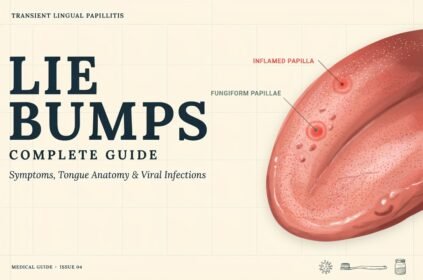
Taste buds are small sensory organs found mainly on the surface of the tongue, but also on the roof of the mouth and throat. They have receptor cells that allow you to taste flavors such as sweet, salty, sour, bitter and umami.
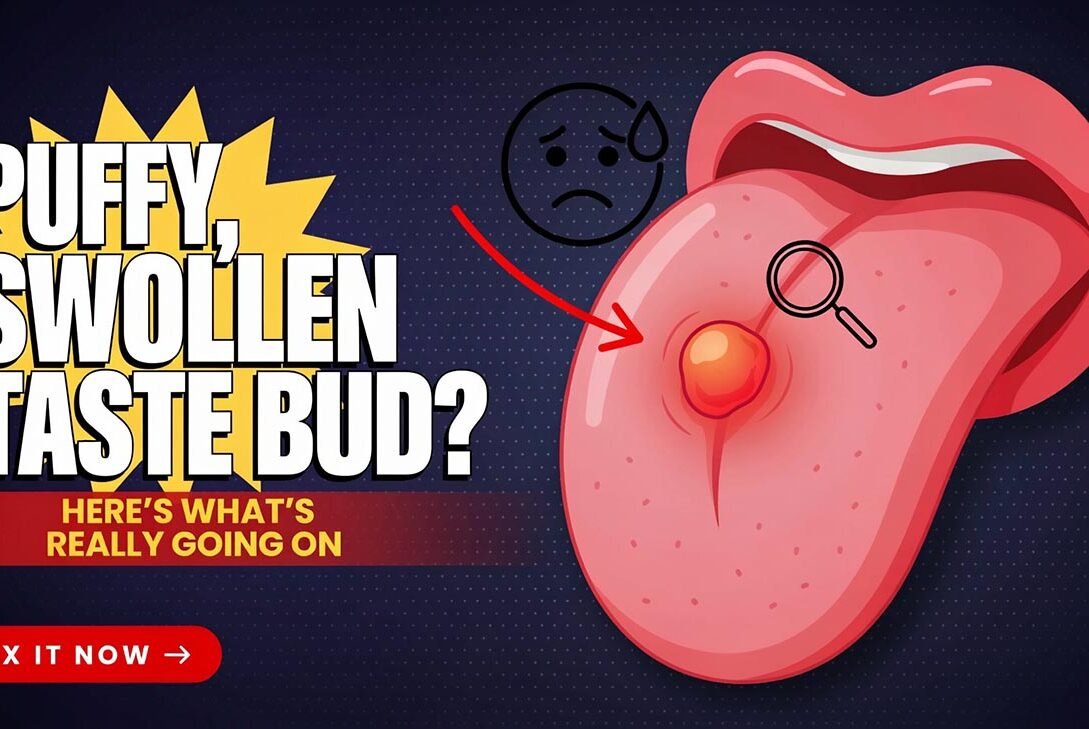
A swollen taste bud occurs when one of these little bumps — properly known as a papilla — is inflamed, bloated, or irritated. It can appear red, white or even a little yellow and often feels tender when you eat, talk or brush your teeth.
Quick definition: Swollen taste buds are a brief inflammation of a papilla on the tongue, caused by injury, irritation or infection and lasting 3-7 days.
Typical Symptoms of a Swollen Taste Bud
Catching symptoms early might help you manage discomfort and discover what’s causing them. Typical symptoms include:
- A bumpy feeling on the tongue
Redness or a white/yellow tinge near the apex of the bump
Pain or discomfort, especially after eating spicy, hot or acidic foods
A scorching or stinging sensation
Difficulty tasting food normally in that area
Mild swelling about the afflicted area
It usually involves only one or two taste buds. If it’s all over your tongue that’s a different matter and could be indicative of something more general like an allergic reaction.
Why Do I Have Swollen Taste Buds?
Knowing the fundamental cause allows you to handle the problem more effectively and prevent it in the future. Here are the most frequent triggers.
1. Eating hot or spicy foods
There’s a reason this one is number one. A pizza right out of the oven or a cup of coffee that is too hot can burn the surface of the tongue and create transient swelling and soreness.
2. Biting or Injury by Accident
If you bite your tongue while chewing or scrape it on a sharp edge of a tooth or braces, it might irritate a papilla and cause it to enlarge.
3. Acidic or Spicy Foods
Citrus fruits, vinegar-based dressings, and heavily spiced dishes can chemically irritate the tongue’s surface, especially if you already have a small cut or sensitivity.
4. Smoking and Tobacco
Tobacco products are irritants. Smoking regularly can inflame the taste buds and over time can diminish your perception of taste.
5. Stress & Poor Sleep
Believe it or not, stress can cause canker sores and inflamed taste buds. When cortisol is high, your immunological response is impaired, making your mouth more susceptible to discomfort.
6. Contagious diseases
Taste bud swelling, along with other symptoms like a sore throat, can be caused by viral illnesses such as the common cold or oral herpes, and less often by bacterial infections.
7. Allergic Reactions
Some meals, medicines or dental products (such as whitening toothpaste) might cause an allergic reaction that looks like enlarged, inflamed taste buds.
8. Vitamin Deficiency
A deficiency of vitamin B12, folate or zinc may influence the health of oral tissues, occasionally resulting in a painful or rough tongue.
How long does it take for swollen taste buds to heal?
Most inflamed taste buds will recover on their own in 3 to 7 days without any additional therapy. If caused by a slight burn or bite, it normally heals faster, often in just 2 to 3 days. But if the swelling lasts longer than two weeks or continues coming back in the same area, it’s a good idea to get it checked out by a healthcare professional.
Effective Remedies
A swollen taste bud can sometimes be treated without medicine. These easy, proven home remedies might help expedite healing and relieve pain.
Warm Salt Water Rinse
Salt water is a natural disinfectant. Mix half a teaspoon of salt in a cup of warm water and swish gently for 30 seconds, a few times a day. This can help soothe irritation, reduce inflammation and lessen the risk of infection.
Try a Baking Soda Rinse
Baking soda can help balance the acidity in your tongue and may help alleviate inflammation. Mix a tiny amount with water and rinse using the salt water method.
Ice Chips Suck
Cold reduces swelling and numbs discomfort. Sucking on ice chips or sipping on cold water can offer immediate comfort.
Avoid foods that cause temporary irritation
Do not eat spicy, acidic, salty or very hot foods until the swelling goes down. Eat soft, bland foods like yogurt, mashed potatoes or oatmeal.
Hydrate
Dehydration might irritate your mouth more easily. Drinking enough water helps to generate saliva and naturally protects your tongue.
Take Over-the-Counter Oral Gels
Topical gels with benzocaine or other comparable numbing chemicals might provide temporary pain relief, especially before meals.
Maintain Good Oral Hygiene
Brush carefully with a soft-bristled toothbrush and avoid the use of harsh mouthwashes with alcohol which may incr
Medical Treatments for Persistent Cases
If home remedies aren’t cutting it, or the cause is something more than a minor burn or bite, a doctor or dentist may recommend:
- Antifungal or antiviral medication if an infection is confirmed
- Corticosteroid mouth rinses for severe inflammation
- Allergy testing if reactions keep recurring
- Nutritional supplements if bloodwork shows a vitamin deficiency
- Dental adjustments if braces or a chipped tooth is the ongoing cause
A healthcare professional can identify the exact trigger through a physical exam and, if needed, lab tests.
When Should You Be Concerned? Warning Signs That Need Attention
While most swollen taste buds are harmless, certain symptoms signal it’s time to seek medical attention.
See a doctor if you experience:
- Swelling that lasts longer than two weeks
- A bump that grows larger or changes color over time
- Severe pain that interferes with eating or speaking
- Fever alongside tongue swelling
- Difficulty breathing or swallowing
- Swelling that extends beyond the tongue and affects the throat or facial area
- Recurring sores in the same spot
- Unexplained weight loss along with tongue changes
Persistent or unusual changes in the tongue can occasionally point to more serious conditions, including oral infections or, in rare cases, precancerous changes. Early evaluation gives you peace of mind and ensures timely treatment if something more serious is going on.
Swollen Taste Bud vs. Canker Sore vs. Cold Sore
People often confuse these three, so here’s a quick comparison to help you tell them apart.
| Condition | Location | Appearance | Cause |
|---|---|---|---|
| Swollen Taste Bud | Surface of tongue | Small red/white bump | Burns, bites, irritation |
| Canker Sore | Inside of cheeks, lips, tongue | Round, white/yellow with red border | Stress, minor injury, acidic food |
| Cold Sore | Outside the mouth, lips | Fluid-filled blister | Herpes simplex virus |
Understanding the distinction can help you choose appropriate care while avoiding unnecessary concern.
How To Avoid Swollen Taste Buds In The Future
It’s often easier to prevent than to treat. Think about these habits:
- Allow heated meals and drinks to cool to a comfortable temperature before eating or drinking them.
Chew carefully and mindfully so you don’t bite your tongue
If prone to discomfort Limit spicy, acidic foods
Stop or cut back on smoking
Lower stress by obtaining enough rest, staying active, and doing relaxing activities
Eat a healthy, balanced diet including vitamin B12, folate and zinc.
Use a gentle toothbrush and an alcohol-free mouth wash
Frequently Asked Questions (FAQ)
1. Does a large taste bud mean you have cancer?
Persistent alterations on the tongue can be a sign of something more serious in rare situations. The great majority of enlarged taste buds are caused by minor discomfort however. If the bulge has not disappeared after two to three weeks consult a doctor for assessment.
2. Why do my tastebud pain when I eat?
Eating is painful because the area is already swollen, irritated and uncomfortable. Hot, spicy, salty or acidic foods will only exacerbate the discomfort and make chewing and swallowing painful.
3. Is it usual to have one large enlarged taste bud?
Yes, one swollen papilla is usual, especially after biting your tongue or eating something excessively spicy. This often does no harm and will mend in a few days.
4. Stress makes your taste buds swell?
Yes. Stress inhibits your immune system and can lead to inflammation in your mouth, such enlarged taste buds and canker sores.
5. Do I pop or scrape a swollen tastebud?
No. Do not pick, scratch or try to pop it. This can introduce bacteria and make the discomfort worse and potentially cause infection.
6. Foods to Avoid When You Have a Swollen Taste Bud?
Don’t eat spicy, acidic, salty, or very hot meals until the swelling goes down. stick to mild, soft foods such as bananas, grains and yogurt.
7. When to See a Doctor for Swollen Tastebud?
If the swelling lasts longer than two weeks, continues coming back, is accompanied by a fever, or makes it difficult to eat or breathe, seek medical help right away.
Final Thought
A swollen taste bud is typically a small, short-term irritation that can be brought on by something as easy as a heated slice of pizza or an inadvertent bite. For most people, moderate home remedies such as salt water rinses, cold compresses and avoiding sensitive foods will clear this up in a week. But you need to listen to your body and note any changes or symptoms that feel off. Swelling that continues or gets worse, or swelling with associated symptoms such as fever or difficulty swallowing, should be examined properly. If you’re not sure, a fast check-up with your doctor or dentist can rule out anything dangerous and get you back to eating your favorite foods pain-free