
Introduction
There are several sorts of sweeteners and blue agave syrup is a popular choice for those consumers looking for a substitute for ordinary table sugar. It is made from the blue agave plant and has a velvety texture, moderate flavor and immense sweetness.
But is it any better for you than sugar? What is it made of and why does it taste so sweet? More importantly, is it something you should do on a daily basis?
The responses are slightly more complex than a yes or no. It has its advantages and disadvantages, like any added sweetener. Knowing what it is, how it’s processed, and how it affects your diet might help you decide if it has a place in your kitchen
What Is Blue Agave Syrup?
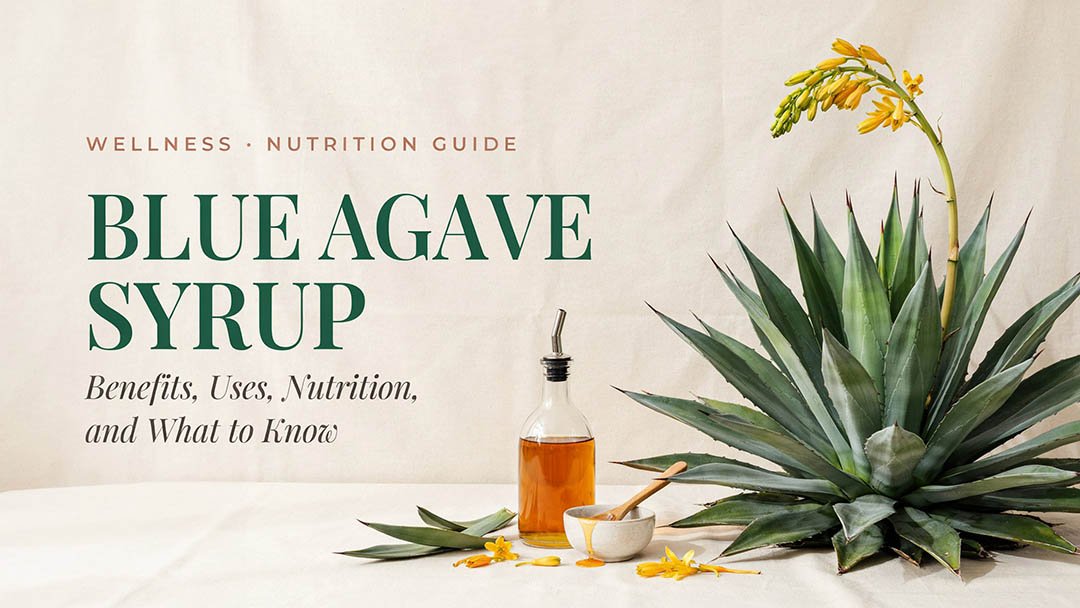
Blue agave syrup is a liquid sweetener obtained from the sap or juice of the blue agave plant (Agave tequilana). The plant has strong ties to Mexico, where blue agave has been cultivated for centuries.
You may also see this sweetener called agave nectar or just agave syrup. The labels may vary but these products are typically used for the same basic purpose – to sweeten foods and beverages.
One reason people appreciate it is that it is incredibly delicious. In general you use less of it than you would normal sugar to get the same sweetness level.
This might sound like an obvious plus, but there is a crucial catch. Less sweetener does not have to mean a healthier sweetener. But it still adds up to nutrients.
The syrup is generally smooth and easy to pour. Depending on the product and the processing procedure, it can be almost transparent to golden or darker amber.
Where Does It Come From?
First you start with the blue agave , a hardy succulent that thrives in dry and semi-dry regions .
Agave stores carbs mostly as complex sugars (fructans) that are different than normal sugar cane or sugar beet. These compounds are located in the core of the plant, which is usually called the piña.
A mature plant takes several years to develop before it can be harvested. Farmers remove the leaves to reach the middle of the plant. Then they may ‘harvest’ the hearts and process them to extract the delicious carbs.
The blue agave is very significant to Mexican agricultural and gastronomic culture. This is the same species famous for being used to make tequila . Agave syrup and tequila are prepared differently , and are not the same thing .
So when you sprinkle agave syrup over pancakes, you’re using a product that starts with a plant that is strongly tied to Mexican agricultural traditions
How Is It Made?
Some processing is required for syrup production.
Harvesting the plant.
Harvesting is the process of removing the outer leaves and mature blue agave plants. This reveals the dense center heart.
Plant material extraction:
The heart has carbs that can be digested to make a delicious juice. Depending on the producer, several extraction and processing procedures may be utilized.
Digestion of complex carbohydrates:
The natural carbohydrate of the plant consists mainly of fructans. These larger molecules are broken down into simpler sugars by enzymes or other processes.
Filtering and concentration:
The liquid is filtered and either boiled or otherwise concentrated to the appropriate thickness and sweetness.
The result is a syrup that can be poured.
Think of the procedure as like concentrating fruit juice into a drink. The original plant has various parts , but the procedure turns the blend into something sweeter and more concentrated .
Not all bottles are the same in their properties, because processing techniques are different from manufacturer to manufacturer.
What Does It Taste Like?
The taste is normally mild, sweet and slightly fruity. It is a little less assertive in taste than some of the darker syrups.
Light agave syrup generally has a more delicate flavor, useful when you want sweetness but don’t want to substantially alter the flavor of a recipe.
Darker or amber varieties could have a more aggressive, more prominent taste.
One of the reasons that this sweetener is good for cooking is because it incorporates well into liquids. It doesn’t need to be dissolved from solid crystals like granulated sugar.
This works well in drinks, sauces, dressings, and other recipes.
But sweetness is greatly concentrated. When substituting sugar in a recipe, you may need to alter the quantity and sometimes reduce other liquids to get the right consistency.
Nutritional Profile and Calories
Agave syrup essentially supplies sugar and carbs. It is not a substantial source of protein, fiber or important vitamins and minerals in the proportions commonly consumed.
It has calories, too.
This is relevant because there is a misperception that a plant-based sweetener needs to be low-calorie or nutritionally better. The nutritional story isn’t all in the source of a food.
Since specific nutrition information will vary per product, your best bet to establish calories and carbohydrate levels for a particular brand is to read the package label.
Another essential thing is the sort of sugar in it. Agave syrup often has a rather high level of fructose, which is a natural simple sugar.
This formulation explains its great sweetness and also some of the worries of regular or excessive intake
Agave Syrup and Blood Sugar
Another reason for interest in agave syrup is its influence on blood glucose.
It has a very high level of fructose and a very low level of glucose . Because of this it may induce a smaller immediate spike in blood glucose than an equivalent amount of typical table sugar .
That could seem like a big advantage at first glance.
But blood sugar tells only part of the story.
Some foods may have a small acute impact on blood glucose but may not be a good candidate for free intake. The body still has to digest the fructose , mostly by the liver .
But the total amount of carbohydrate and added sugar in the diet is still important for someone who has diabetes or is trying to control blood glucose.
Agave syrup might be best thought of as a new form of added sugar with potential varied effects in the body, not a “free” sweetener.
If you have diabetes or another health condition that calls for careful monitoring of your diet, talk to your healthcare professional or registered dietitian about sweetener options.
Is It Healthier Than Table Sugar?
This is probably the question most people want to know.
The quick answer is: not always.
Agave syrup may be sweeter than table sugar and the relatively high fructose content may lead to a lower initial blood glucose response. But it does not automatically make it a healthier option.
Table sugar, commonly called sucrose, is made up of glucose and fructose in about equal amounts. Agave products tend to be very high in fructose.
The key lesson is moderation—not a “healthy sweetener” label.
If you replace a teaspoon of sugar with less agave syrup, you might cut down on sweetener overall. It can be helpful. However, dumping loads of agave into your food because it is touted as natural can backfire.
Whether one sweetener is a little better than another is far less relevant than the broader nutritional picture
Potential Benefits
Agave syrup is not a health food, but it does have a number of practical advantages.
1. Sweet Strong
It is quite sweet therefore tiny amounts can provide a lot of taste.
2. Easy to blend &
It is already in liquid form so it easily blends with drinks, sauces, marinades and salads.
3. Vegetarian-friendly
It is sourced from a plant source and not an animal , making it compatible for many vegan eating patterns .
4. Useful sugar substitute for recipes
It’s a liquid, it has a unique sweetness, and it’s easy to use in the kitchen while trying new things.
5. Subtle taste
Light varieties can add sweetness, but not enough much that it overpowers the other ingredients.
These are more gastronomic benefits than major health benefits. It is a distinction worth noting.
Possible Drawbacks and Concerns
No sweetener is perfect, and agave syrup has several disadvantages worth considering.
It Is Still an Added Sugar
The word “natural” can create a misleading impression. Even though it comes from a plant, processed agave syrup is still a concentrated source of sugar.
Regularly consuming large amounts of added sugar can make it easier to exceed your calorie needs.
It Can Be High in Fructose
Its high fructose content is one of the biggest nutritional concerns.
The body handles fructose differently from glucose, and excessive intake of added fructose may contribute to metabolic problems when consumed as part of an overall excessive-calorie diet.
This does not mean that eating a small amount of agave syrup is dangerous. The concern is primarily about frequent, high intake.
It Can Encourage a Preference for Sweet Foods
Another issue is dietary habit.
If nearly every meal or snack contains something intensely sweet, your taste preferences may gradually become accustomed to that level of sweetness.
Reducing added sweeteners overall can sometimes be more useful than simply switching from one sweetener to another.
Processing Varies
The production process can differ depending on the manufacturer. Some products undergo substantial processing.
Therefore, phrases such as “natural,” “pure,” or “organic” should not be interpreted as proof that a product is nutritionally superior.
How to Use It in Everyday Foods
The easiest way to use agave syrup is to treat it as a sweetening ingredient rather than a health supplement.
You can add a small amount to:
- Oatmeal
- Plain yogurt
- Smoothies
- Tea or coffee
- Homemade salad dressings
- Pancakes
- Waffles
- Fruit-based desserts
- Homemade sauces
- Granola
Because it is liquid, it can be especially convenient in recipes where granulated sugar would be difficult to dissolve.
Try starting with a small amount. You can always add more, but once you’ve made something overly sweet, it is difficult to reverse the decision.
Blue Agave Syrup in Baking and Drinks
Agave syrup can be useful in baking, but you should not always substitute it for sugar in equal quantities.
It adds liquid as well as sweetness. That means replacing granulated sugar with a liquid syrup can change the texture of cookies, cakes, muffins, and other baked goods.
When modifying a recipe, you may need to adjust other liquid ingredients and baking conditions.
For beverages, the process is much simpler. A small drizzle can dissolve into cold or warm drinks without the gritty texture that sometimes occurs with granulated sugar.
It can work in homemade iced tea, coffee drinks, smoothies, and fruit beverages.
But remember: sweetened drinks can make it surprisingly easy to consume large amounts of sugar without feeling full.
A drink containing a spoonful of syrup may seem harmless, but several sweetened drinks throughout the day can add up quickly.
Choosing a Quality Product
Walking down a supermarket aisle can leave you wondering which bottle to choose.
Start by looking at the ingredient list and nutrition label.
If you’re looking for a straightforward product, check whether agave is the primary or only sweetening ingredient.
You may also encounter products with added flavors or other ingredients. These are not necessarily bad, but they may serve a different purpose.
Pay attention to serving size. A label may make the calorie or sugar amount appear modest until you realize that the listed serving is smaller than the amount you normally pour.
You can also consider the flavor and intended use.
For delicate foods, a lighter syrup may be preferable. For stronger desserts or sauces, a darker variety may provide more character.
Most importantly, don’t assume that a higher price means better nutrition.
How Much Should You Use?
There is no universal amount that everyone should consume.
Your needs depend on your overall diet, calorie requirements, health goals, and how much added sugar you get from other foods.
A useful approach is portion awareness.
Instead of pouring syrup directly from the bottle, measure a small amount with a teaspoon or tablespoon. This simple habit can help you understand how much you’re actually eating.
It is also helpful to consider how often you use it.
A small amount occasionally is very different from adding several tablespoons to breakfast every day.
If you are trying to reduce your sugar intake, gradually decreasing the sweetness of your foods may be more effective than simply replacing table sugar with another concentrated sweetener.
Storage and Kitchen Tips
Most commercially packaged agave syrup is easy to store.
Keep the container tightly closed when you’re not using it and follow the storage instructions provided by the manufacturer.
A cool, dry area away from excessive heat is generally suitable for unopened products.
After opening, check the package instructions because storage recommendations can vary between products.
Use a clean spoon whenever possible. If you notice an unusual odor, appearance, or signs of spoilage, don’t use the product.
Because syrup can become sticky around the cap, wiping the opening after pouring can prevent buildup and make the bottle easier to use.
Is Blue Agave Syrup a Good Choice for You?
Whether it belongs in your kitchen depends largely on how you use it.
If you enjoy its flavor and use modest portions, there is no need to treat it as something mysterious or automatically unhealthy.
At the same time, it should not be promoted as a magical replacement for sugar.
The best diet is rarely built around finding one “perfect” ingredient. Instead, it comes from the overall pattern of what you eat.
If most of your meals contain vegetables, fruits, whole grains, protein-rich foods, healthy fats, and minimally processed ingredients, an occasional small amount of sweetener is unlikely to define your diet.
The goal is balance.
Think of sweeteners as the seasoning of sweetness: a little can improve a dish, but using too much can take over the entire meal.
FAQ Frequently Asked Questions
1. Is Blue Agave Syrup Better for You Than Sugar?
Not necessarily so. It may be sweeter and induce a lesser rapid rise in blood glucose than table sugar, but it is still an added sweetener and frequently contains a high amount of fructose. It is advisable to use either one in moderation.
2. Can diabetics take blue agave syrup?
People with diabetes say don’t assume agave syrup is a diabetes-friendly sweetener just because it may have a lesser initial impact on blood glucose. But it’s still got sugar and calories. If you have diabetes, you should assess your total carb intake and talk to your doctor or nutritionist about which sweeteners are right for you.
3. Can I use agave syrup for sugar when baking?
Yes, but you may need to change the recipe for tin substitutes. Agave syrup is a liquid and very sweet, thus using it in place of granulated sugar can alter moisture, texture and browning. It’s often best to follow a recipe designed for liquid sweeteners or carefully adapt.
4. Is agave syrup a vegan product?
Most agave syrups are actually vegan-friendly because they are derived from agave plants. However, those on stringent diets should examine the product label and manufacturer’s details to ensure no animal-derived substances or processing aids are used.
5. Is it okay to eat blue agave syrup everyday?
Small amounts can be part of a healthy diet, but daily use is not necessary. And while it’s an additional sweetener, it’s more important to keep portions modest and limit your overall intake of added sugars than it is to select agave over another sweetener.
Final Thoughts
Blue agave syrup can be a flexible and handy sweetener with a smooth texture and a powerful sweetness. The liquid form makes it especially good for drinks, sauces, dressings, and some recipes.
But plant-based doesn’t necessarily mean it’s better for you than regular sugar. It’s still a strong source of added sugar, and typically very rich in fructose.
So do you utilize it? If you like it, moderation is the key. “Look not just at one ingredient, but at your overall intake of added sugars,” she said. Use modest portions and study nutrition labels.