
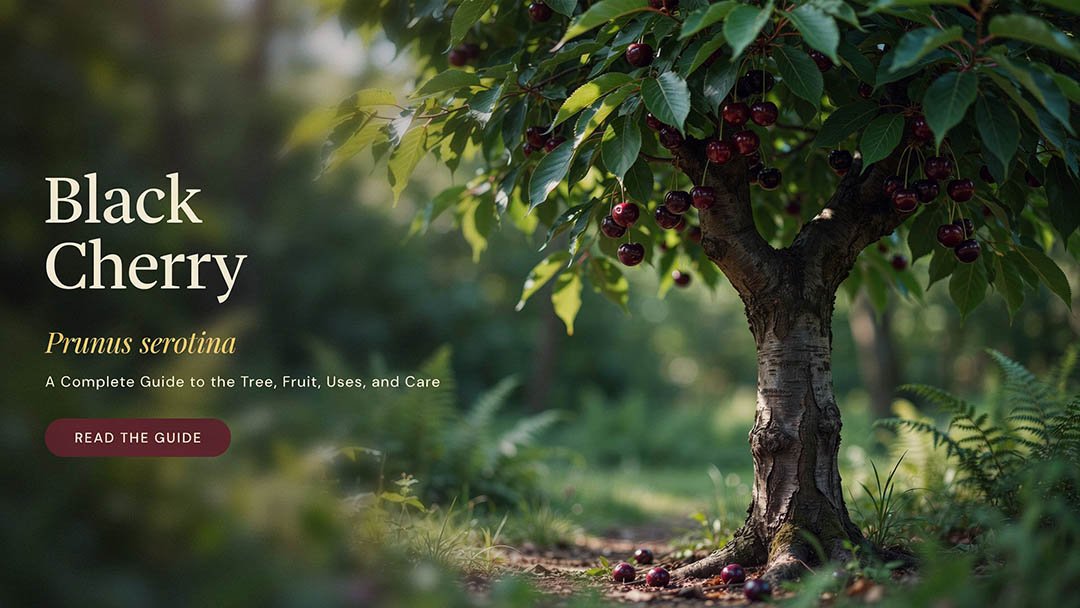
Black cherry is one of those trees that can easily be overlooked, until you take a moment to look closely. Most of the year it is of interest with its magnificent foliage, fragrant spring flowers, dark fruit and distinctive bark. But what tree is it? Where does it grow? What is it in the fruit and wood that makes it so useful?
Sometimes black cherry prunus refers to Prunus serotina, a North American cherry of the rose family. It is considered a natural forest tree because of its excellent quality timber and as a food source for wild species. It has small dark cherries that can be used in various culinary applications, but the seeds require special care.
In this tutorial you will discover what is distinctive about this tree, how to identify it, how to cultivate it, how to care for it and what you need to know before you ingest its fruit or other components
What Is Black Cherry Prunus?
Black cherry (Prunus serotina) is a deciduous tree found throughout wide parts of North America. Sometimes called wild black cherry, rum cherry or mountain black cherry depending on where you are.
This species differs in character from many farmed cherry trees which are planted mostly for large, sweet fruit. It is widespread in woods, in woodland boundaries, in open regions and in disturbed habitats. In good conditions it can be a large tree, not a small garden specimen.
The tree is a member of the genus Prunus, which includes cherries, plums, peaches, apricots and almonds. Its flowers, leaves, fruit and overall structure would be recognisable to anyone who knows other stone-fruit trees because of the family link.
One way to think about it is as a multi-season performer. It has aromatic blossoms in springtime. In summer its leaves provides shade. Clusters of black fruit occur later in the year, followed by stunning autumn foliage. Its mature bark also has a peculiar texture that provides winter appeal.
The tree has many valuable features, but it is crucial to recognise that not every portion of the plant should be viewed as edible food. The safety of the fruit pulp and the seed is extremely different.
Botanical Classification and Natural Range
Scientific name: Prunus serotina
Family: Rosaceae
Common names: Black cherry, wild black cherry, rum cherry and other local names
Black cherry is a native of North America and is widely distributed. It runs from sections of Canada through much of the eastern and central United States, and on into places farther south.
It is able to grow in many different situations. Forests are particularly significant habitats but the plant can also be found on roadsides, field edges, forest clearings and other sites where there is sunlight.
Adaptability is one reason it has been effective in so many varied locations. Young trees colonise open ground, whereas mature species can be found in mixed woodland communities.
Why is its natural range important?
What a species’ natural range of distribution is can tell you a lot about its preferences. Black cherry normally does well in appropriate sunlight, relatively healthy soil and sufficient rainfall without extended waterlogging.
It is one of such ecological behaviour that it can occasionally be found naturally instead of being intentionally planted.
How to Identify a Black Cherry Tree
Knowing what to look for makes tree identification a whole lot easier. Don’t rely on just one attribute, check out the bark, leaves, flowers, fruit and the general shape as a whole.
The skin
Young black cherry trees tend to have somewhat smooth bark with prominent horizontal lines or minor marks. The bark becomes darker and tough and scaly with age.
Mature bark is typically characterised as looking like black flaky plates. This may help to distinguish older trees from some other cherry species.
Leaves
Leaves typically narrow, pointy, coarsely serrate at the edges. They are normally dark green during the growing season, but may turn yellow, orange or reddish in the approach of fall.
Examining the underside and the area around the leaf stalk more closely might also provide some useful information for identification.
Flowers.
In spring, black cherry bears clusters of small, white blossoms. The flowers are often fragrant and are carried in long clusters called racemes.
These clusters can produce a dramatic display when a mature tree is in flower.
Fruit Fruit
The fruit starts green and progresses through reddish colours to very dark purple or nearly black when ripe.
The cherries are petite compared to many store types. Their flavour can be pleasantly sweet but sometimes has a marked bitterness or astringency
Flowers, Fruit, and Seasonal Changes
One of the most endearing things about this species is its transformation throughout the course of the year.
Spring is the time for new leaves and white flowers. The tree’s fragrant blossoms provide a valuable source of nectar and pollen for bees and other visiting pollinators.
Summer means thick green leaves and fruit ripening. During this time the little cherry slowly change colour as they ripen.
Ripe, dark fruit might be late summer and early fall. The birds are fast to spot the berries and sometimes eat a lot of them before people can get to them to harvest them.
In autumn the leaves turn lovely warm colours before they finally fall.
This cyclical rhythm makes the tree beneficial not only for fruit but also for beautification and for animals.
Black Cherry Fruit: Flavor and Uses
The dark fruit of Prunus serotina is tiny and usually clustered. When fully ripe, the flesh can be sweet and juicy, but flavour can vary from tree to tree and with growth conditions.
Fresh fruits
Some folks consume the ripe flesh raw. However, the fruit is much smaller than many modern sweet-cherry cultivars, and is not often grown to the same extent as commercial dessert cherries.
Preserves and prepared preparations.
Wild cherries have been utilised in many prepared meals and beverages such as preserves, syrups and baked goods. They can be particularly good if tempered with sugar or other additives to balance their peculiar flavour.
Important note: The flesh is edible when ripe but the pit or seed should not be eaten purposely.
The fruit is also an important source of wild food for birds and other animals. In a wooded situation those animals may be much more interested in the crop than humans are.
Black Cherry Nutrition and Natural Compounds
Like other dark-coloured fruits, ripe black cherries contain naturally occurring plant compounds. It gets its deep colour from anthocyanins, the pigments found in many red, purple and blue fruits.
The fruit also provides water, carbohydrates, fibre and small amounts of certain vitamins.
But don’t overstate the nutritional or health effects of any one fruit.
Fruit is good for you, but it’s not a cure.
There are many claims on the internet that black cherry products cure several ailments. Claims such as this should be regarded with a pinch of salt. Eating fruit as part of a healthy diet is not the same as taking concentrated extracts, supplements, bark preparations or other goods for a medical reason
Important Safety Considerations
Safety is one of the most crucial topics to comprehend when talking about wild cherry species.
Seeds and stones
Prunus species include chemicals in the seeds in the pits that can produce cyanide when the plant material is destroyed and metabolised. That’s why cherry pits and seeds should not be eaten.
An accidental ingesting of a whole pit is different from intentionally eating and chewing seeds, but special precautions are required for children and animals.
Plant substance, leaves
Leaves have cyanogenic compounds and are possibly dangerous to livestock, especially when wilted. This is a significant factor on farms and sites where animals have access to trees.
Don’t let cattle eat huge quantities of wilted cherry leaves or other possibly poisonous plant material.
When to ask for aid
Contact a medical expert or poison-control immediately if someone has intentionally eaten cherry seeds, chewed a large number of pits, or is experiencing troubling symptoms from exposure to plants.
Just because it’s natural doesn’t mean it’s safe.
Wildlife and Ecological Importance
Black cherry is an important species in many habitats.
In spring, its blossoms can be a resource for insects. Later the fruit is eaten by birds and animals.
Birds can be very important consumers, as the little fruits are easy to devour. Animals can also assist spread the seed by moving through the area.
The tree also plays a part in woodland structure. Large trees provide habitat, shade, nesting sites and organic material as leaves and branches return nutrients to the soil.
Native fruiting trees can be great additions to wildlife gardens.
But, the ideal choice for planting is dependent on your local environment.” A native, useful tree may behave differently in one area than in another.
Black Cherry Wood and Its Uses
The wood of black cherry is quite valuable.
The heartwood can be a warm reddish-brown in colour. The material is regarded for its good looks and ease of working.
Furniture & Fittings
Because it can provide a fine finished surface, cherry wood has long been used for furniture.
Cabinets
It is also used for cabinets and interior woodwork, valued for its colour and grain.
Handicraft
It can be used by woodworkers for smaller tasks, decorative pieces, turned things, and more.
Cherry wood is intriguing in that it will vary in appearance as it ages and is exposed to light. The colour may darken with age, giving a warm look to final works.
This makes the species valuable outside the living tree.
Growing Black Cherry at Home
Growing a black cherry tree can be satisfying, but it’s important considering its eventual size before planting.
Select your spot carefully.
A newborn sapling can look like it would fit in just about any garden, but mature trees can take up a lot of room. Plant it away from structures, utilities and places where its ultimate canopy would be an issue.
From seed
Black cherry can be grown from seed, although it may require some special circumstances and patience to germinate.
Many seeds are also dormant, which means they may not germinate immediately after they are sown. Natural seasonal factors also aid to break this hibernation.
Planting a young tree;
Homeowners generally find it easier to purchase a young tree from a nursery. Under suitable conditions, a healthy sapling can establish more predictably.
Water the young tree periodically, especially in dry weather, while its roots are becoming established.
Soil, Water, Light, and General Care
Light weight
Black cherry normally does best with plenty of sun. It can sustain high growth in a site with plenty of direct light.
Soils
Soil should be well drained. The plant tolerates a range of soil conditions, however prolonged saturation is usually not suited.
Water.
Young trees need to be kept moist consistently as they establish. Mature trees are generally more tolerant yet drought can still affect them.
Mulch
A layer of organic mulch surrounding the root zone can aid in moisture retention and decrease soil temperature. Do not place the mulch in contact with the trunk, to decrease the possibility of moisture-related bark problems.
Pruning and…
Pruning is most effective on young trees, and when it is used to remove damaged, dead or poorly placed branches. Avoid extensive pruning unless absolutely necessary.
Pruning is more like giving the tree a careful haircut than cutting it back again and time again. The aim is to encourage a healthy structure, not to keep reducing its natural form.
Common Problems and Pests
Like other members of the Prunus genus, black cherry can experience a range of insect and disease problems.
Insects may include caterpillars, beetles, aphids, and other organisms that feed on leaves or developing tissue.
Diseases affecting cherry trees can include fungal and bacterial problems, particularly when conditions favor prolonged moisture.
Regular observation is one of the easiest forms of prevention.
Look for:
- Discolored or spotted leaves
- Unusual holes in foliage
- Dead branches
- Cracked or damaged bark
- Poor new growth
- Unusual swelling or cankers
- Premature leaf loss
A single damaged leaf does not necessarily mean the tree is seriously ill. Instead, look for patterns and worsening symptoms.
Good airflow, appropriate watering, proper planting conditions, and removal of severely damaged material can help maintain overall tree health.
Black Cherry Compared With Other Cherry Trees
All cherry trees are not alike.
Black cherry is a North American wild species. Many cherries sold in grocery stores are cultivated cultivars selected for larger fruit, sweetness, beauty or commercial performance.
Other species of cherries are the sweet cherry (Prunus avium) and the sour cherry (Prunus cerasus), which are well-known examples.
Fruit size
Black cherry usually bears smaller fruit than many cultivated sweet cherries.
Tree shape
It can grow to be a fairly large forest tree, while other farmed cherries are bred for orchard productivity.
Growing conditions
Because it is naturally adapted to the North American woodland setting, it has a different ecological role than many orchard types.
Main applications
Black cherry is an important natural tree, wildlife food source and wood species in addition to its fruit.
Knowing the distinctions can help avoid confusion when picking a tree for your property.
Harvesting and Responsible Use
If you have access to a mature tree, harvesting should be done thoughtfully.
Wait until the fruit is fully ripe.
Ripe fruit is generally dark in color and should come away more easily than immature fruit.
Remove the pits before culinary use.
Do not crush, grind, or deliberately chew the seeds.
Wash harvested fruit.
As with other fresh produce, clean fruit before eating or processing it.
Leave some fruit for wildlife.
If the tree is growing in a natural setting, birds and mammals may depend on its fruit. There is no need to collect every cherry.
Know the tree before harvesting.
Wild plants should be positively identified before consumption. If you are uncertain about identification, do not eat the fruit.
FAQs
1. Is black cherry prunus the same as sweet cherry?
No. Prunus serotina is a different species, native to North America, that is usually known as black cherry or wild black cherry. It differs from cultivated sweet cherry in fruit features, growth habit and typical usage.
2. Is black cherry fruit safe to eat?
The flesh when ripe is eaten, but the pits and seeds are not eaten. Always make sure you accurately identify the tree before eating wild fruit.
3. Are the pits of black cherries poisonous?
The seeds of cherry pits contain cyanogenic chemicals that produce cyanide when the seeds are destroyed and metabolised. Therefore, you should not intentionally chew or ingest cherry pits and seeds.
4. Is black cherry healthy for wildlife?
Yes. Its blossoms may provide a food source for insects, and its small dark fruit is consumed by many birds and mammals. The tree can also provide habitat and structure in woodlands habitats.
5. Can I grow black cherry in my back yard?
It can be cultivated anywhere climate, soil, sunlight and space allow. Because the tree can grow huge, homeowners should consider the mature size of the tree and put it where the developing canopy and root system will have plenty of room
Conclusions.
Black cherry is more than just a tree with dark berries. It is a peculiar member of the Prunus genus with ecological, gastronomic, horticultural and woodworking importance. Spring blooms are beautiful, summer leaves create a leafy canopy, fall colours bring seasonal beauty and the fruit benefits wildlife.
But at the same time responsible use important. The flesh is edible when mature, but you should avoid the pits and seeds. Wilting leaves and other plant detritus can potentially be a danger to cattle.
Whether you are trying to identify a tree in the woods, thinking about one for your property, interested in its timber, or just plain inquisitive about its fruit, knowing the entire plant offers you a far greater image of its value.