Frankincense has been valued for thousands of years, and today “encens oil” (the French term for frankincense essential oil) is enjoying a renewed spotlight in skincare cabinets and aromatherapy diffusers around the world. Whether you stumbled onto this term while researching natural skincare or you’re simply curious what all the fuss is about, this guide breaks down everything worth knowing — in plain, practical language.
What Is Encens Oil? A Quick Definition
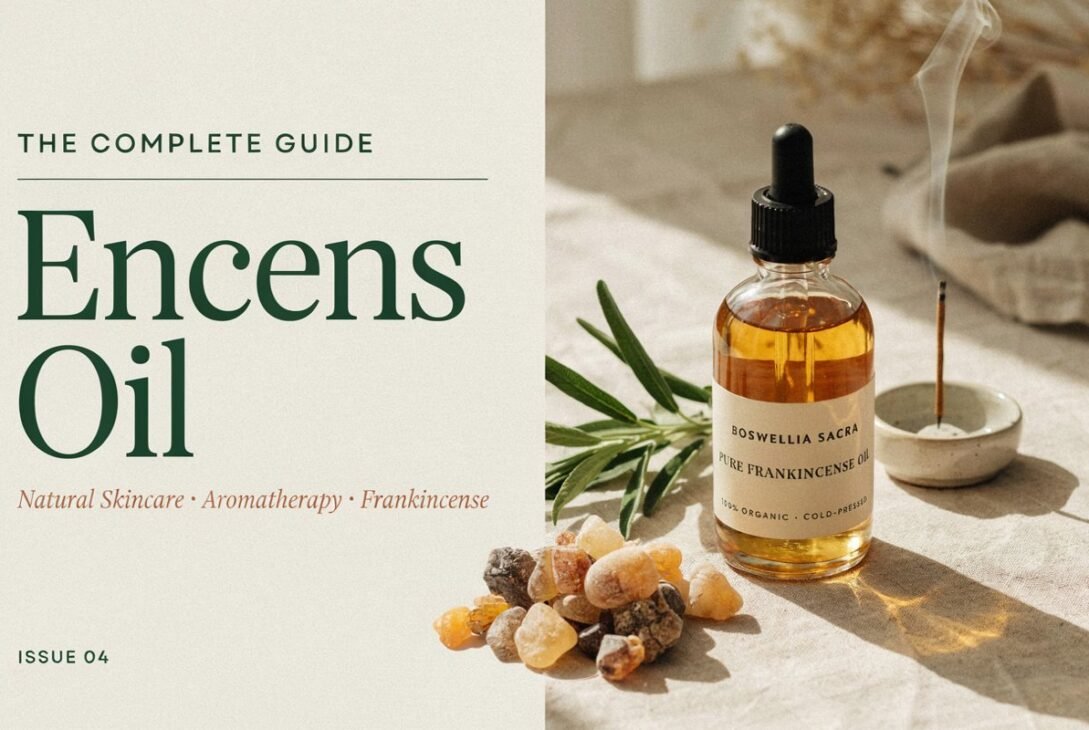
Encens oil is essential oil extracted from the resin of Boswellia trees, commonly known in English as frankincense. The resin is harvested by making small cuts in the bark, allowing the tree to “bleed” a milky sap that hardens into amber-colored droplets. These droplets are then steam-distilled to produce the concentrated oil.
In short:
- Encens = French word for “incense”
- Source = Boswellia tree resin (mainly Boswellia carterii, serrata, or sacra)
- Extraction method = Steam distillation
- Common uses = Skincare, aromatherapy, meditation, spiritual rituals
This oil has a warm, woody, slightly citrusy aroma that many describe as grounding and calming.
A Brief History Worth Knowing
Frankincense isn’t a modern wellness trend. Ancient Egyptians used it in embalming rituals and skincare routines. Traders carried it along the historic Incense Route connecting Arabia to the Mediterranean. Religious ceremonies across cultures — from ancient temples to modern churches — still burn frankincense resin today.
This long history matters because it tells us something important: frankincense has been tested by generations of human use, not just marketing claims. That said, historical popularity doesn’t replace scientific evidence, so it’s worth separating tradition from proven benefit as we go.
How Encens Oil Is Made
Understanding the production process helps you judge oil quality.
- Harvesting – Small incisions are made in Boswellia tree bark.
- Resin collection – The sap oozes out and hardens over several days.
- Sorting – Resin “tears” are graded by size, color, and purity.
- Steam distillation – Resin is heated with steam, releasing the essential oil, which is then separated from water.
- Filtering and bottling – The oil is filtered and stored in dark glass bottles to protect it from light degradation.
Higher-quality oils typically come from hand-sorted resin and slower, controlled distillation — which is part of why prices vary so much between brands.
Encens Oil for Skincare: What It Can (and Can’t) Do
Potential Skin Benefits
Frankincense oil is popular in natural skincare formulations for several reasons:
- Supports skin’s appearance of tone and texture — many users report smoother-looking skin with regular, diluted use.
- Soothing properties — its calming aroma and traditional use make it a common addition to after-sun or sensitive-skin blends.
- Antioxidant-rich compounds — Boswellic acids, the active compounds in frankincense, have been studied for their antioxidant potential.
- Popular in anti-aging blends — often paired with rosehip or lavender oil in serums marketed for mature skin.
It’s important to be clear-eyed here: while frankincense is widely used in cosmetic products, essential oils are not a substitute for dermatologist-recommended treatments for medical skin conditions like eczema, psoriasis, or acne. If you have a diagnosed skin condition, talk to a dermatologist before relying on essential oils.
How to Use Encens Oil on Skin Safely
- Always dilute. Essential oils are highly concentrated. Mix a few drops with a carrier oil like jojoba, sweet almond, or coconut oil (a common ratio is 2–3 drops of frankincense per teaspoon of carrier oil).
- Patch test first. Apply a small diluted amount to your inner forearm and wait 24 hours before using it on your face.
- Avoid broken or irritated skin.
- Don’t apply undiluted oil directly to the face.
Encens Oil in Aromatherapy
Aromatherapy is where frankincense truly shines in day-to-day wellness routines.
Common Aromatherapy Uses
- Diffusing for relaxation — a few drops in a diffuser can create a calming atmosphere, often used during meditation or yoga.
- Grounding during stress — many practitioners use it to support a sense of calm during anxious moments (this is anecdotal and not a medical treatment).
- Sleep support blends — often combined with lavender or cedarwood in nighttime diffuser routines.
- Breathing rituals — some people add a drop to a tissue for personal inhalation before meditation.
Why People Choose Frankincense Over Other Oils
Compared to lighter florals like lavender or citrus oils, encens oil has a deeper, resinous, almost smoky base note. This makes it a popular “anchor” scent in blends — it doesn’t fade quickly and pairs well with lighter top notes.
| Oil | Scent Profile | Common Use |
|---|---|---|
| Frankincense (Encens) | Woody, warm, resinous | Meditation, grounding, skincare |
| Lavender | Floral, fresh | Sleep, relaxation |
| Sandalwood | Creamy, woody | Meditation, skincare |
| Myrrh | Earthy, bitter-sweet | Spiritual rituals, skincare |
Frankincense and myrrh are often used together historically, and you’ll still find them paired in modern blends today.
Choosing a High-Quality Encens Oil
Not all frankincense oils are created equal. Here’s what to check before buying:
- Botanical name listed — look for “Boswellia carterii,” “Boswellia sacra,” or “Boswellia serrata” on the label, not just “frankincense.”
- 100% pure, no additives — avoid oils diluted with synthetic fragrance unless explicitly labeled as a blend.
- Dark glass bottle — protects the oil from UV degradation.
- Third-party testing — reputable brands often provide GC/MS (gas chromatography-mass spectrometry) test reports confirming purity.
- Country of origin — Somalia, Oman, and Ethiopia are traditional, well-regarded sourcing regions.
Avoid oils sold at unusually low prices — genuine frankincense resin harvesting is labor-intensive, and authentic oil reflects that in its cost.
Safety Precautions to Keep in Mind
Frankincense oil is generally considered safe for topical and aromatic use when properly diluted, but a few precautions apply:
- Pregnancy and nursing — consult a healthcare provider before using any essential oil during pregnancy.
- Children — use significantly lower dilution ratios, and consult a pediatrician first.
- Ingestion — essential oils should not be ingested unless under the direct guidance of a qualified healthcare professional; many oils sold for aromatherapy are not intended for internal use.
- Medication interactions — if you’re on prescription medication, check with your doctor, especially for skin-applied products used long-term.
- Allergies — discontinue use immediately if you notice redness, itching, or irritation.
There’s no need for concern—frankincense has been used safely for generations, but because essential oils are highly concentrated, careful and responsible use is still important
Encens Oil vs. Frankincense Resin: What’s the Difference?
Many people confuse the raw resin with the distilled oil. Here’s the distinction:
- Resin — the raw, hardened sap, often burned as incense on charcoal discs.
- Essential oil — the steam-distilled liquid extracted from that resin, used in diffusers, skincare, and topical blends.
Both come from the same tree, but they’re used differently. Resin is generally for burning; oil is for diffusing, topical application, or blending into cosmetic products.
Simple Ways to Incorporate Encens Oil Into Your Routine
- Add 3–4 drops to your diffuser during morning meditation or evening wind-down.
- Blend two drops into your usual facial moisturizer before applying it evenly to your skin.
- Combine with a carrier oil for a calming neck and shoulder massage.
- Add a drop to your palms, rub together, and cup over your nose for a quick grounding breath (avoid direct eye contact).
- Blend with lavender and cedarwood for a homemade sleep spray (diluted appropriately for linen use).
Frequently Asked Questions
1. What is encens oil used for?
Encens oil (frankincense essential oil) is primarily used in aromatherapy for relaxation and grounding, and in skincare formulations for its soothing, antioxidant-supportive properties.
2. Is encens oil the same as frankincense oil?
Yes. “Encens” is simply the French word for frankincense, so encens oil and frankincense essential oil refer to the same product.
3. Can I apply encens oil directly to my skin?
No, it should always be diluted with a carrier oil before topical application to reduce the risk of skin irritation.
4. Is encens oil safe for daily use?
When properly diluted and used in moderation, many people use it regularly. However, it’s wise to take occasional breaks and monitor your skin’s response over time.
5. Does encens oil help with anxiety or stress?
Its soothing fragrance may help create a more relaxing atmosphere and can complement personal wind-down routines, but it should never be considered a substitute for professional care when treating an anxiety disorder
6. How can I tell if my encens oil is pure?
Check the label for the specific Boswellia species, look for a dark glass bottle, and choose brands that provide third-party lab testing (GC/MS reports).
7. Can pregnant women use encens oil?
Pregnant or nursing individuals should consult a healthcare provider before using any essential oil, including frankincense.
Final Thoughts
Encens oil, better known in English as frankincense essential oil, bridges ancient tradition and modern wellness practice. From skincare serums to meditation rituals, its warm, grounding aroma and traditional uses continue to make it a staple in natural wellness routines. That said, it works best as a complement to — not a replacement for — professional skincare and medical advice. Choose a high-quality, properly labeled oil, dilute it correctly, and patch test before regular use, and you’ll be well-positioned to enjoy this centuries-old botanical safely and effectively