
Introduction
Moringa seeds are extracted from the pods of the Moringa oleifera tree, a fast-growing shrub native to some parts of South Asia and currently grown in many tropical and subtropical countries. Sometimes called drumstick tree seeds, they have garnered interest due to their protein, good fats, minerals and different plant chemicals.
People use moringa seeds in several ways. Some eat modest quantities of the leaves, some utilise the seed oil or powdered goods, and some plant the seeds to create their own moringa trees. But some moringa claims go further than what the scientific research truly backs up.
What are the benefits of moringa seeds? How do they work? What nutrients do they contain? Are there any adverse effects? This article will address potential advantages, uses, nutrition, safety concerns, and instructions on buying and cultivating moringa.
What Are Moringa Seeds?
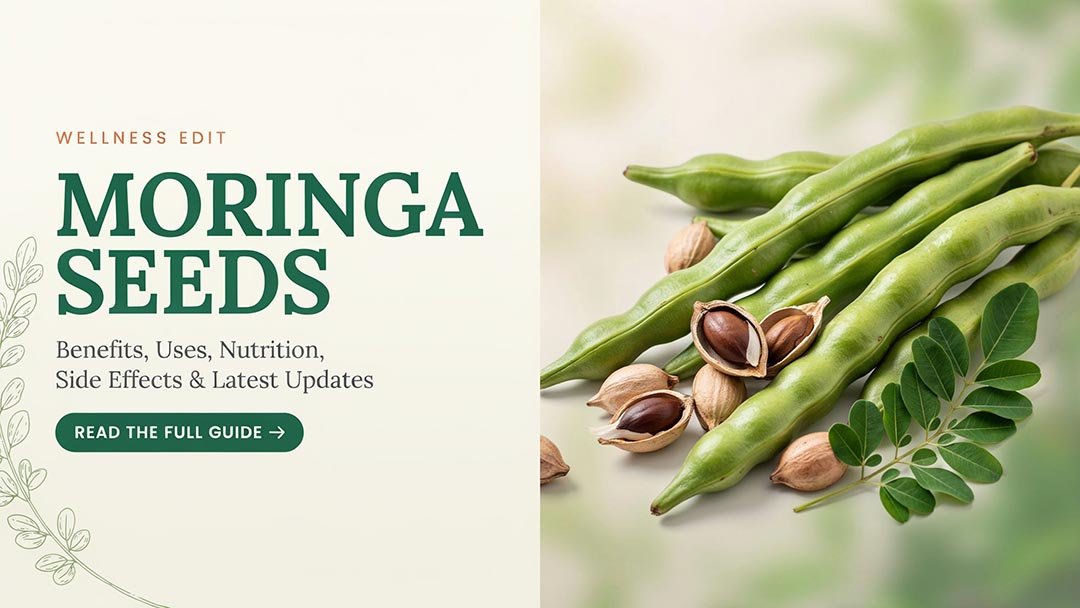
Moringa seeds are the seeds of moringa tree, technically known as Moringa oleifera. The tree is characterised by tall, slender pods with spherical seeds that have unusual wing-like features.
The seeds can be gathered when mature and used as food, to produce oil, in traditional dishes or to be planted. Moringa seed oil, often called ben oil, since it contains behenic acid, has traditionally been appreciated for use in cooking, cosmetics and skin care.
Moringa Tree Seeds and Their Uses
Potential uses of the Moringa tree seeds include:
- Moringa trees planted
How to make moringa seed oil
Mature seeds for traditional meal preparations
Supporting research on water treatment using natural chemicals from seeds
Providing nutrition : protein and lipids.
Select fresh or well stored seeds for sowing with caution since seed quality can influence germination.
Potential Benefits of Moringa Seeds
Moringa seeds are commonly talked about for their nutritional and antioxidant benefits. Research is continuing, but they can provide a number of potential benefits if eaten appropriately as part of a well-rounded diet.
1. Offers beneficial nutrients
The seeds of the moringa tree contain protein, fat, fibre and a range of micronutrients. Nutritional makeup might vary with maturity, growth conditions, processing and preparation.
Adding nutrient-rich foods to a well-rounded diet may help supply a larger range of vital nutrients.
2. Has Antioxidant Compounds
Seeds of Moringa include naturally occurring plant chemicals with antioxidant action. “Antioxidants are protective compounds that may help cells resist oxidative stress, which is caused by reactive molecules called free radicals.
This is not to say that moringa seeds will prevent or cure sickness. Instead, they might be regarded a plant-based source of chemicals that contribute to dietary diversity.
3. May Help Support Heart Healthy Nutrition
The seeds are high in unsaturated lipids, such as oleic acid. A heart-healthy eating pattern includes replacing some sources of saturated fat with meals that contain unsaturated fats.
However, more studies on humans are needed before any specific benefits to cardiovascular health can be explicitly attributed to moringa seeds.
4. Practical Applications of Moringa Seed Oil
Moringa seed oil is prized for its stability and gentleness. It is used in cooking and in personal-care items including as soaps, creams and hair products.
This preparation differs from consuming moringa seeds in their raw form. The quantities of minerals and plant components in moringa products can vary.
5. Prospects in water treatment
Water treatment is one of the more fascinating areas of moringa study. Moringa seed compounds have been researched for their capacity to help bind certain particles in dirty water.
This is an interesting topic of research, however handmade preparations of moringa seeds should not be automatically taken as a substitute for reliable techniques of water purification or disinfection.
How to Use Moringa Seeds
How to best use moringa seeds depends on what you want to do with them, whether it’s nourishment, cooking, oil production, or growing a tree.
Some people ingest a tiny amount of the ripe seeds, while others prefer products like moringa seed oil. If this is the first time you are eating them as a food, begin with a modest amount and watch how your body reacts.
Best Moringa Seeds to Plant
If you want to establish a moringa tree, purchase seeds that are sold for planting, not food seeds.
For sowing:
- Select well developed undamaged seeds.
Plant in well drained, loose soil.
Plant the seeds 1–2 cm deep.
Keep the soil gently damp, not waterlogged.
Place the container or planting area somewhere warm and sunny.
Protect immature seedlings from excess dampness and harsh cold.
Moringa trees enjoy warm weather and good sunlight in general
How to Buy Moringa Seeds
If you are looking to buy moringa seeds, consider what you will use them for before you buy. Get seeds for growing from a respected nursery, garden store or agricultural seed vendor.
Watch for:
- Moringa oleifera seeds clearly labelled
Explicitly specified or recent seed stock
Germination information
Good packaging
A trusted seller
Growing information or reviews where available
Do not buy seeds from merchants that do not provide any information on plant species or seed quality.
Where Can I Buy a Moringa Plant?
If you’re wondering, “where can I buy a moringa plant?”
Nearby nurseries and gardening stores are often convenient options for finding and purchasing them. In warmer climes agricultural producers may also offer young moringa plants for sale.
Online plant nurseries can be an alternative, too, especially if live plants are difficult to locate nearby.
Where can I get a Moringa Tree?
Most people asking “where can I buy a moringa tree?” are looking for an established young plant, not a fully grown tree.
If you are buying a moringa tree, check the roots, leaves, stem and overall condition. Healthy young plants are characterised by strong growth and the absence of pests or disease.
Moringa Seeds Nutrition
The nutritional composition of moringa seeds differs with variety and growing circumstances. They offer protein, lipids, fibre, minerals and beneficial plant chemicals.
Moringa seeds are of special interest since they contain nutrients as well as naturally occurring chemicals that are being researched for their possible health qualities.
However, dietary claims do not constitute medical therapy. Moringa seeds are not to be considered a replacement for fruits, vegetables, legumes, whole grains, or other nutrient-dense foods but one possible supplement to a healthy and diverse diet.
Moringa Seeds Side Effects and Safety
Moringa is frequently sold as a natural substance, but “natural” doesn’t automatically mean safe.
Eating high quantities of moringa seeds may induce digestive disturbance, including nausea, upset stomach, or diarrhoea. It is a personal answer.
Do not use concentrated moringa products if you are pregnant unless your health care practitioner specifically advises it. People taking prescription drugs should also consult with a healthcare expert before using concentrated moringa supplements consistently, since plant products can interfere with how prescriptions work.
Safety tips to remember
- If you are going to eat the seeds start with a modest amount.
Choose products from reliable providers.
Do not substitute moringa seeds for prescription medication.
Use recommended dosage of concentrated supplements.
If you are on regular medication seek medical advice.
Do not rely on unprocessed moringa preparations as a substitute for proper water purification when dealing with contaminated water.
Moringa Seeds vs. Moringa Leaves
The leaves are eaten as a vegetable or dried and powdered. Seeds are normally used for seeding or for oil extraction or for certain cuisine and traditional uses.
Leaves and seeds have different nutritional compositions, and so should not be considered as interchangeable. If you’re looking to add a leafy green to your diet, you might be more familiar with moringa leaves.
The seeds may be of more use to you if you are interested in cultivating a tree or making moringa seed oil.
Frequently Asked Questions About Moringa Seeds
What are the benefits of moringa seeds?
Moringa seeds are a source of nutrients and naturally existing plant compounds, and can be used to make moringa oil or sprout new trees. Their potential health and environmental applications are still under investigation.
Are Moringa Seeds Edible?
Mature moringa seeds are edible but they have to be eaten properly and in moderation. In large quantities it might cause stomach difficulties and extra caution is advised with concentrated formulations.
How to Grow Moringa from Seed
Plant healthy moringa seeds in well-draining soil, keep the seeds mildly moist, and give them plenty of warmth and sunlight. This might be caused by insufficient drainage. Overwatering can damage developing roots .
Where to get moringa seeds?
You can get moringa seeds from reliable nurseries, garden suppliers, agricultural stores, and established internet seed dealers. To develop a tree, choose seeds that are marked for planting and are of the Moringa oleifera kind.
Can moringa seeds be used to filter drinking water?
Compounds in moringa seeds have been investigated for their potential to aid in the removal of suspended particles from water. But this should not be seen as a full replacement for safe water filtration and disinfection.
Conclusion
Moringa seeds are adaptable and the nutritionally interesting elements of the moringa tree. You can eat them , turn them into oil , study them for environmental reasons or plant them to create a new tree . Their nutritional makeup and naturally occurring phytochemicals make them a fascinating contribution to broader conversations about plant-based meals.