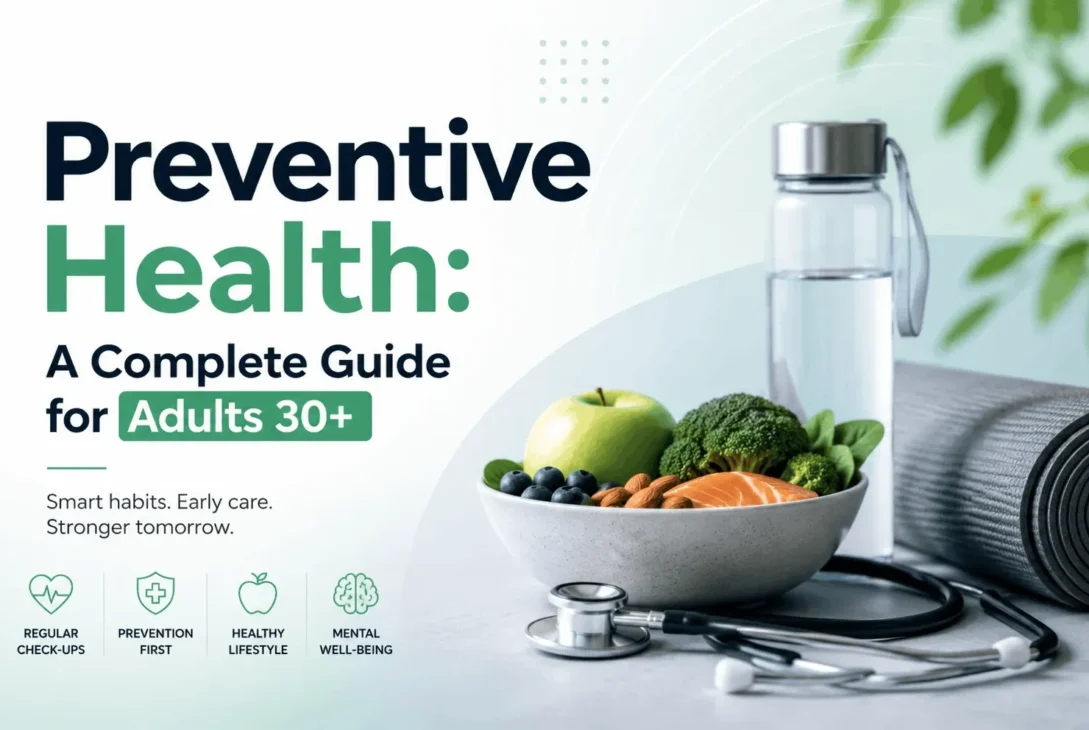
Most people don’t think about their health until something goes wrong. By then, you’re often playing catch-up with a problem that could’ve been caught months or years earlier. That’s where preventive health comes in. Instead of waiting for symptoms to show up, this approach focuses on catching issues early, before they become serious. If you’re in your 30s, 40s, or beyond, building preventive habits now can save you from bigger problems later. Let’s break down what it actually means and how you can start today.
What Is Preventive Health?
In simple terms, this approach to healthcare is focused on stopping problems before they start. This differs from reactive healthcare, where you visit a doctor only after something feels wrong. Preventive medicine includes screenings, vaccines, and lifestyle changes that lower your risk of disease down the road.
Think of it like maintaining a car. You don’t wait for the engine to fail before changing the oil. The same logic applies to your body. Weighing proactive care against reactive healthcare, the difference comes down to timing and cost. For the basics, start with these foundational keys to good health, or read what preventive health means according to Healthline.
Why Preventive Health Matters More As You Age
Why does this matter more as you get older? The short answer: your risk for chronic conditions like heart disease, diabetes, and high blood pressure climbs significantly after age 30. Genetics play a role. So do years of accumulated lifestyle habits. Disease prevention becomes less about luck and more about consistent effort the older you get.
The benefits of preventive healthcare go beyond just avoiding illness. Catching a condition early often means simpler treatment, lower medical costs, and a better quality of life overall. Chronic inflammation, for example, quietly contributes to conditions like arthritis and heart disease over time. Learning how to reduce age-related inflammation can make a real difference in how you feel in your 40s, 50s, and beyond.
Types of Preventive Care
Screenings and Checkups
Health screenings catch problems long before you’d ever feel a symptom. Blood pressure checks, cholesterol panels, and cancer screenings like mammograms or colonoscopies fall into this category. Most adults need an annual physical exam as a baseline, with additional screenings added based on age, family history, and risk factors. Preventive health isn’t a one-size-fits-all checklist. Your doctor can help you figure out which screenings make sense for your specific situation and when to start them.
Vaccinations
Vaccines aren’t just for kids. Adults need updated flu shots, tetanus boosters, and depending on age or health conditions, vaccines for shingles or pneumonia. Staying current on vaccinations protects you and reduces strain on your immune system from preventable illnesses. It’s an easy, often-overlooked piece of staying ahead of disease rather than reacting to it later.
Lifestyle-Based Prevention
Not all preventive care happens in a doctor’s office. Daily choices around food, movement, sleep, and stress management play a massive role in long-term health outcomes. These habits compound over time, for better or worse. If you’re looking to get started, you can build sustainable health routines that fit your actual life instead of an idealized one. Small, consistent changes tend to stick better than dramatic overhauls.
Preventive Health Checklist by Age
In Your 30s
Your 30s are a great time to establish baseline numbers for cholesterol, blood pressure, and blood sugar. These become useful reference points later. This is also when many people start an annual physical exam if they haven’t already. If you’ve fallen out of an exercise routine, this decade is a good time to ease back into exercise gradually rather than jumping into something intense. Mental health checkups matter too. Establishing a relationship with a primary care doctor now makes it easier to follow an age-based screening checklist as the years go on.
In Your 40s and Beyond
By your 40s, screenings tend to increase in both frequency and number. Diabetes screening, more detailed cardiovascular checks, and cancer screenings often start or become more frequent. Bone density and vision changes also become more relevant. The goal isn’t to worry. It’s to stay proactive instead of reactive. Many conditions that become serious in your 50s and 60s show early warning signs in your 40s. Catching those signs early through consistent preventive care gives you more options and better outcomes down the road.
Simple Daily Habits That Support Preventive Health
You don’t need a complicated routine to support your long-term health. Quality sleep, regular movement, balanced meals, and stress management form the foundation of how to stay healthy and prevent disease over time. None of these need to be perfect. Consistency matters far more than intensity.
If you’re not sure where to start, focus on one habit at a time rather than overhauling everything at once. These simple daily health habits are a solid starting point and pair well with the screenings and checkups mentioned earlier. This kind of care works best as a combination of medical visits and everyday choices, not one or the other.
How to Talk to Your Doctor About Preventive Care
Walking into an appointment without a plan makes it easy to forget what you wanted to ask. Before your next visit, jot down questions about your family history, any new symptoms, and which screenings apply to your age group. Doctors appreciate patients who come prepared.
Ask directly about your risk factors and what wellness checkups make sense for your situation. A good question to ask: “Based on my history, what should I be screening for that I’m not already?” This single question often uncovers gaps in your care plan that would otherwise go unnoticed.
Common Mistakes People Make With Preventive Health
One common mistake is skipping screenings simply because nothing feels wrong. Many conditions, including high blood pressure and early-stage diabetes, show no symptoms at all until they’ve progressed.
Another mistake is inconsistent follow-up. Scheduling one screening and then not returning for years defeats the purpose of early detection. Treat it as an ongoing habit, not a single event.
Frequently Asked Questions
What is preventive health?
Preventive health is healthcare focused on stopping problems before they start, rather than treating them after symptoms appear. It includes screenings, vaccines, and everyday lifestyle habits that lower your risk of disease.
How often should I get a preventive health checkup?
Most adults benefit from an annual physical exam, with additional screenings added based on age, family history, and risk factors. Your doctor can help map out a schedule that fits your situation.
What’s the difference between preventive and reactive healthcare?
Preventive care aims to catch and manage risk factors early, often before you feel any symptoms. Reactive healthcare responds to a problem after it has already caused noticeable issues.
Does insurance cover preventive care?
In the U.S., most health insurance plans, including those under the Affordable Care Act, cover many preventive services at no extra cost. Coverage details vary by plan, so it’s worth checking with your provider directly.