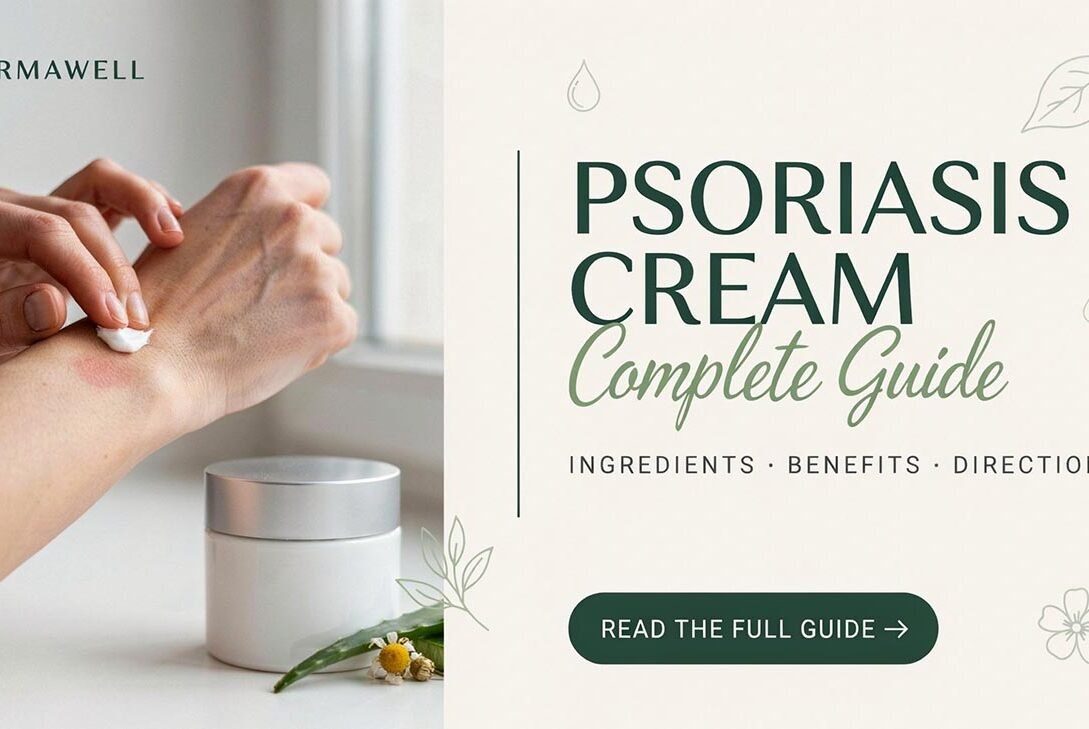
If you’ve been dealing with itchy, scaly, or inflamed patches of skin, chances are you’ve come across Psora Cream in your search for relief. It’s a name that shows up often in discussions around psoriasis, eczema, and other stubborn skin conditions, particularly among people exploring herbal or Ayurvedic skincare options.
This guide breaks down what Psora Cream actually is, what typically goes into it, how it’s meant to be used, and what you should know before adding it to your routine. Nothing here replaces a conversation with a dermatologist, but it will give you a solid, honest starting point.
What Is Psora Cream?
Psora Cream is a topical herbal formulation marketed primarily for chronic skin conditions such as psoriasis, eczema, dermatitis, and ringworm. The name “Psora” is drawn from “psoriasis,” and most products sold under this name (or similar names like Psora Ointment) are Ayurvedic or herbal-based, meaning they lean on plant oils and traditional botanicals rather than synthetic steroids.
In simple terms: it’s a skin-soothing cream built around natural ingredients, intended to calm irritation, soften scaling, and support the skin’s own repair process.
Quick definition for reference: Psora Cream is a non-steroidal, herbal topical preparation used to manage symptoms of chronic skin conditions like scaling, redness, and itching.
It’s worth noting that “Psora Cream” isn’t a single regulated pharmaceutical product with one fixed formula — several manufacturers produce their own version under this name, so ingredient lists and concentrations can vary from brand to brand. Because every brand tweaks its recipe slightly, it pays to read the fine print on the packaging before purchase.
Common Ingredients Found in Psora Cream
While formulations differ between manufacturers, most Psora creams and ointments draw from a similar pool of traditional botanical ingredients. Most versions on the market lean on this same core lineup:
- Neem oil – known for its antibacterial and antifungal properties; often used to calm irritated skin.
- Chaulmoogra oil (Chalmogra) – a traditional oil historically used in skin treatments for its soothing effect.
- Bakuchi/Bavchi oil (Psoralea corylifolia) – a classic Ayurvedic ingredient associated with skin pigmentation and repair support.
- Turmeric (Curcumin) – valued for its anti-inflammatory and antioxidant properties.
- Aloe vera – a natural moisturizer that helps calm redness and hydrate dry, flaky patches.
- Karanja oil – used for its skin-conditioning and antimicrobial qualities.
- Manjishtha (Indian madder) – traditionally used to support skin tone and clarity.
- Coconut oil or other emollient bases – help the active ingredients penetrate and keep skin hydrated.
Some formulations also include zinc compounds or other mild antiseptics to further support skin barrier health. Because ingredient blends vary, it’s a good habit to read the full ingredient list before purchase, especially if you have known sensitivities to essential oils or plant extracts.
Why These Ingredients Matter
Each ingredient in a well-formulated Psora Cream typically serves one of three functions:
- Soothing inflammation – ingredients like turmeric and aloe vera work to calm redness and discomfort.
- Supporting the skin barrier – oils such as coconut and karanja help lock in moisture, which is critical since flaking skin loses hydration quickly.
- Addressing microbial imbalance – neem and chaulmoogra oil bring antibacterial and antifungal action, which can help when scaling skin is prone to secondary infection.
Benefits of Using Psora Cream
People turn to Psora Cream for a range of reasons connected to chronic, stubborn skin issues. Reported and intended benefits include:
- Reduced itching and discomfort in affected areas
- Softer, less flaky skin through moisturizing plant oils
- Calmer, less red-looking patches thanks to anti-inflammatory botanicals
- Support for the skin’s natural healing process without relying on steroids
- A gentler alternative for people who want to avoid long-term steroid cream use
- Convenient daily use as part of a broader skincare or dermatology-guided routine
It’s important to be realistic here: herbal creams like this are generally positioned as supportive or symptom-management tools, not as a cure. Psoriasis and eczema are chronic conditions with no permanent cure, and any product — herbal or pharmaceutical — should be seen as one part of an overall management plan, not a standalone solution.
How to Use Psora Cream: Step-by-Step Directions
Directions can vary slightly by brand, but most Psora creams and ointments follow a similar general routine:
Step 1: Clean the Affected Area
Wash the skin gently with a mild, fragrance-free cleanser and pat it dry. Avoid harsh scrubbing, which can worsen irritation.
Step 2: Apply a Thin Layer
Take a small amount of the cream and apply it gently over the affected patch. A thin, even layer is usually enough — more product doesn’t mean faster results.
Step 3: Repeat 2–3 Times Daily
Most manufacturers recommend applying the cream two to three times a day, or as advised by a healthcare provider.
Step 4: Do a Patch Test First
Before using it broadly, apply a small amount to a discreet area of skin and wait 24 hours to check for any reaction, especially if you have sensitive skin or known allergies to plant-based ingredients.
Step 5: Be Consistent
Herbal formulations tend to work gradually. Many users report noticeable changes after a few weeks of regular use rather than overnight results.
Step 6: Store Properly
Keep the cream in a cool, dry place away from direct sunlight, and always check the expiry date before use.
Psora Cream vs. Steroid Creams: A Quick Comparison
| Feature | Psora Cream (Herbal) | Steroid Cream (Pharmaceutical) |
|---|---|---|
| Formula base | Plant oils and botanicals | Synthetic corticosteroids |
| Speed of results | Gradual, over weeks | Often faster |
| Long-term use risk | Generally lower | Can thin skin with prolonged use |
| Prescription needed | Usually not | Often yes, for stronger formulas |
| Best suited for | Mild to moderate symptom management | Flare-ups, moderate to severe cases |
This comparison isn’t meant to say one is universally “better.” Dermatologists often use both approaches depending on severity — steroids for flare control, and gentler herbal or moisturizing options for maintenance. If your condition is moderate to severe, don’t substitute an herbal cream for prescribed treatment without medical guidance.
Who Should Consider Using Psora Cream?
This type of product may appeal to:
- People with mild psoriasis or eczema symptoms looking for a gentler daily option
- Individuals who’ve experienced side effects from long-term steroid cream use
- Those who prefer Ayurvedic or plant-based skincare approaches
- People using it as a complementary product alongside prescribed dermatological treatment
It may not be the right fit for those with severe, rapidly worsening skin conditions, open wounds, or infections — in these cases, medical evaluation should always come first.
Safety and Precautions
Even natural ingredients can cause reactions in some people. Keep these precautions in mind:
- Discontinue use immediately if you notice increased redness, burning, or swelling.
- Avoid applying to broken or bleeding skin unless directed by a physician.
- Keep out of reach of children.
- Consult a doctor before use if you’re pregnant, breastfeeding, or managing a separate skin infection.
- Don’t rely solely on herbal creams for severe or rapidly spreading conditions — seek medical evaluation.
Frequently Asked Questions
1. What is Psora Cream used for?
It’s primarily used to manage symptoms of chronic skin conditions like psoriasis, eczema, and dermatitis — including itching, scaling, and inflammation.
2. Is Psora Cream a steroid cream?
No. Most Psora creams are formulated as non-steroidal, herbal alternatives, though it’s always best to confirm this by checking the specific product’s label.
3. When can I expect visible results?
Many users report visible improvement after two to three weeks of consistent, twice-or-thrice-daily use. Results vary based on skin type and condition severity.
4. Can Psora Cream cure psoriasis or eczema permanently?
No topical cream — herbal or pharmaceutical — currently offers a permanent cure for psoriasis or eczema. These are chronic conditions managed through ongoing care, and Psora Cream is best viewed as a supportive symptom-management option.
5. Is Psora Cream safe for sensitive skin?
It’s generally formulated to be gentle, but sensitive skin can still react to essential oils or plant extracts. Testing a small area first is a smart precaution before regular application.
6. Can I use Psora Cream with other medications?
It’s best to check with a healthcare provider before combining it with other topical treatments, especially prescription steroid creams, to avoid interactions or overuse.
7. Where can I buy genuine Psora Cream?
Look for reputable pharmacies, licensed Ayurvedic product retailers, or the manufacturer’s official website. Always verify ingredient lists and check for proper labeling and expiry dates before purchasing.
Conclusion
Psora Cream represents a gentler, herbal approach to managing the discomfort of chronic skin conditions like psoriasis and eczema. Built around ingredients such as neem, turmeric, chaulmoogra oil, and aloe vera, it’s designed to soothe irritation, reduce scaling, and support the skin’s natural balance — without the risks associated with long-term steroid use.
That said, it works best as part of a broader skincare routine, not as a replacement for professional medical care, especially in moderate to severe cases. If your symptoms are persistent, worsening, or significantly affecting your quality of life, talk to a dermatologist before relying on any over-the-counter product. Used thoughtfully and consistently, Psora Cream can be a helpful addition to your skin health toolkit.