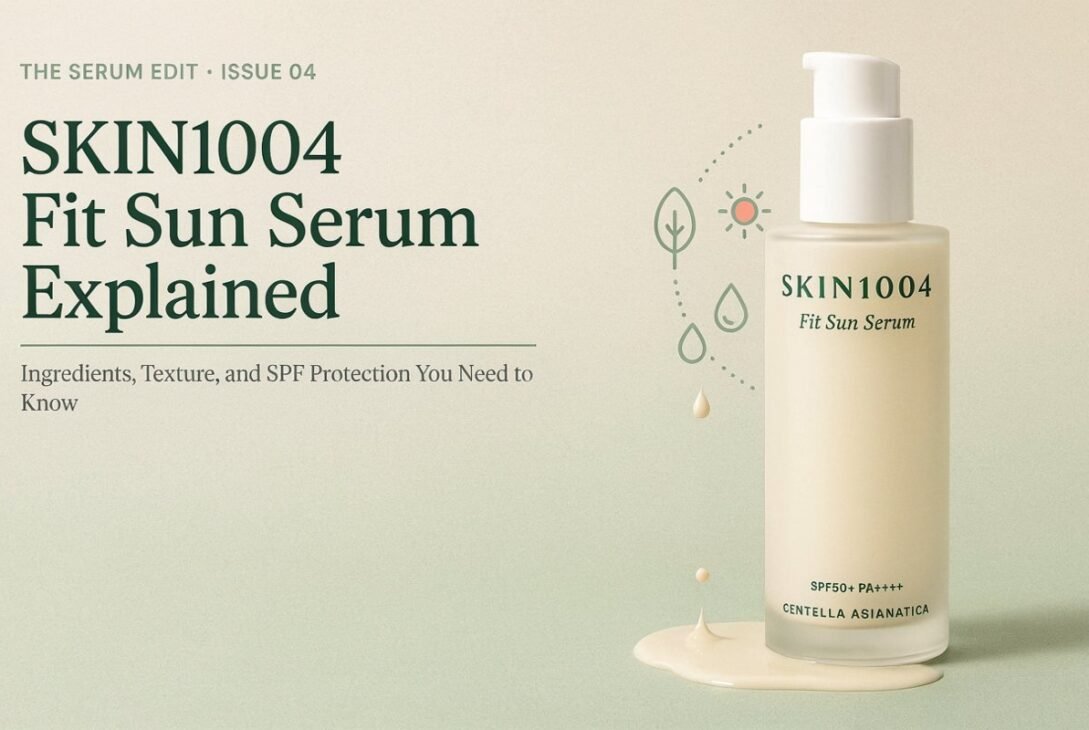
Sunscreen shopping can feel overwhelming. Walk into any K-beauty aisle and you’ll find dozens of options promising the same thing: broad-spectrum protection without the greasy aftermath. Among these, SKIN1004 sunscreen has carved out a loyal following, particularly its Madagascar Centella Fit Sun Serum. But is it actually worth the hype, or just another well-marketed product riding the Korean skincare wave?
This guide breaks down everything you need to know — ingredients, texture, SPF performance, and how it compares to other sunscreens on the market — so you can decide if it belongs in your routine.
What Is SKIN1004 Sunscreen?
SKIN1004 is a Korean skincare brand built around Centella Asiatica, sourced specifically from Madagascar. The brand’s philosophy centers on minimal, effective formulations rather than long ingredient lists packed with fillers.
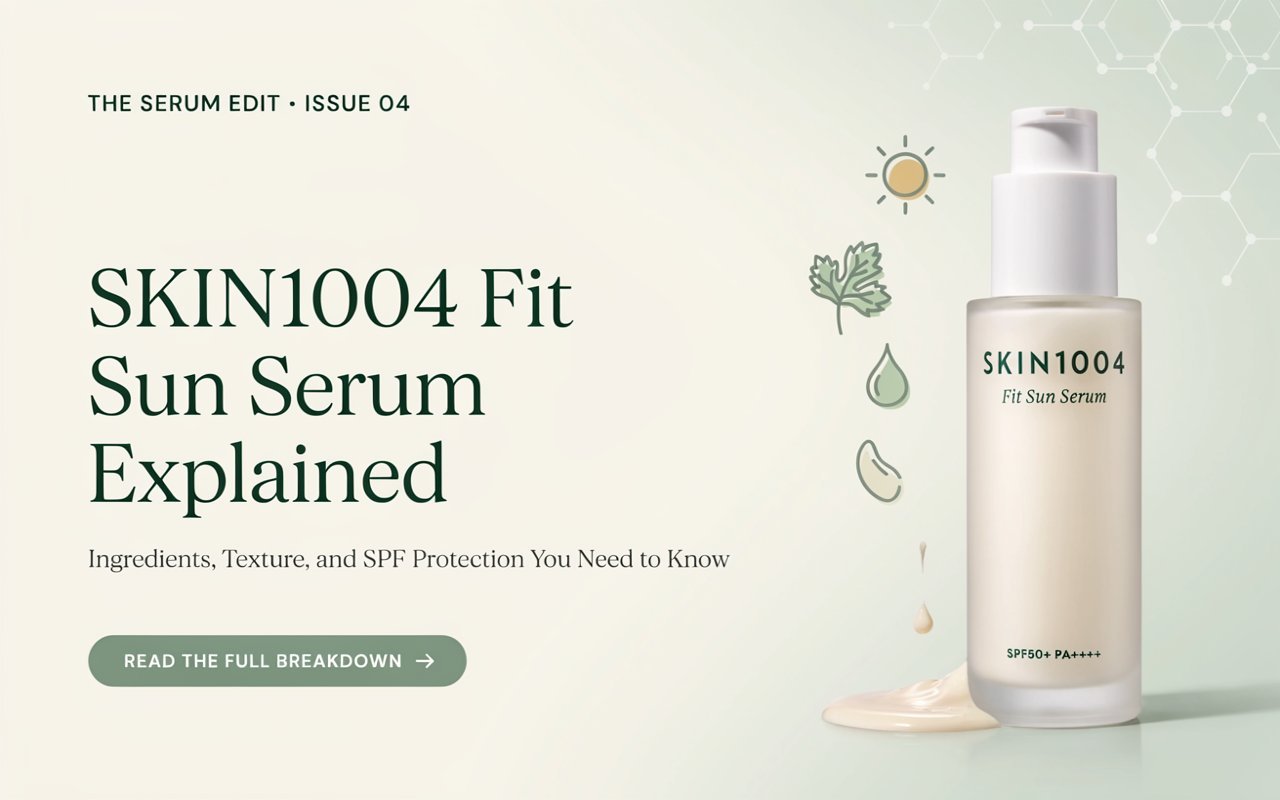
Their sunscreen line, most notably the Fit Sun Serum, combines SPF protection with a serum-like texture. Instead of feeling like a typical thick, chalky sunscreen, it absorbs like a lightweight layer of hydration first and protection second.
This matters because the biggest reason people skip sunscreen isn’t ignorance about UV damage — it’s texture. A sunscreen that feels heavy, sticky, or leaves a white cast simply won’t get reapplied. SKIN1004 was designed to solve that specific problem.
Key Ingredients in SKIN1004 Fit Sun Serum
Understanding what’s inside a sunscreen tells you more than any marketing claim. Here’s what stands out in this formula:
- Centella Asiatica Extract – Known for calming irritation and supporting the skin barrier, this is the brand’s signature ingredient across its entire lineup.
- Chemical UV filters – The formula uses organic (chemical) filters to absorb UV rays, which is why it blends into skin without a white cast.
- Lightweight emollients – These give the serum-like slip that makes the product feel more like skincare than sun protection.
- Hydrating agents – Included to prevent the tight, dry feeling that many sunscreens cause after a few hours.
This ingredient approach places SKIN1004 in the “skincare-first” category of sunscreens — a trend that has grown significantly in the K-beauty space over the past few years.
SPF and PA Rating: What Does It Actually Protect Against?
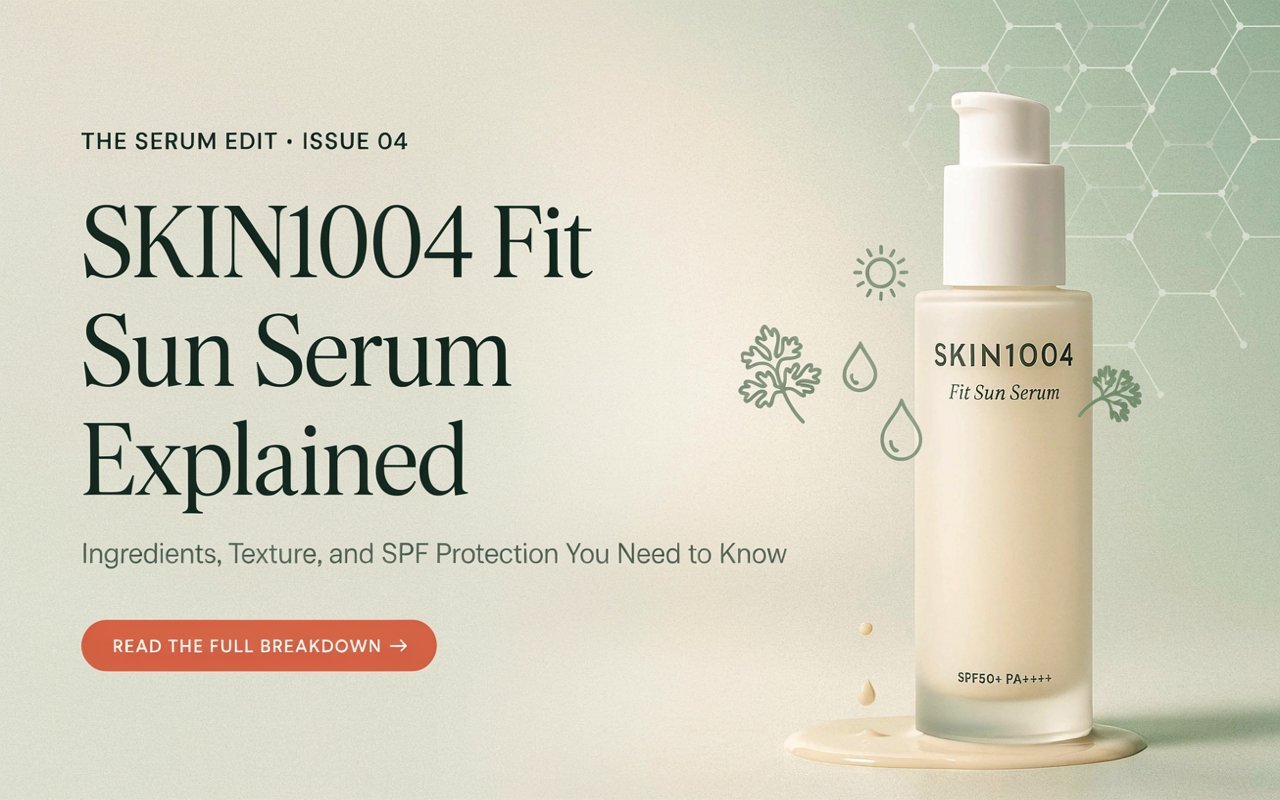
The Fit Sun Serum is typically formulated with SPF 50+ PA++++. Breaking that down:
- SPF 50+ means it filters out approximately 98% of UVB rays, the type primarily responsible for sunburn.
- PA++++ indicates the highest tier of protection against UVA rays, which penetrate deeper into skin and contribute to premature aging and long-term damage.
Together, this rating qualifies as broad-spectrum protection, meaning it defends against both UVB and UVA exposure — not just one or the other. This matters because a sunscreen that only blocks UVB can leave your skin defenseless against the rays responsible for wrinkles, dark spots, and collagen breakdown.
Is SPF 50 Enough for Daily Use?
For most people, yes. Dermatologists generally agree that SPF 30–50 is sufficient for daily protection when applied correctly and reapplied every two hours during direct sun exposure. Going higher than SPF 50 offers only marginal additional protection — the real difference comes down to how much product you apply and how consistently you reapply it.
Texture and Finish: Why People Keep Repurchasing It
skin1004 sunscreen
One of the most repeated points in user feedback is the texture. It’s described as watery, almost serum-like, and it sinks into skin within seconds rather than sitting on the surface.
This matters for a few practical reasons:
- Layers well under makeup – Because it absorbs quickly, it doesn’t pill or ball up when foundation or moisturizer goes on top.
- No white cast – Chemical filters blend in rather than sitting visibly on the skin, which is especially helpful for deeper skin tones that often struggle with mineral sunscreens leaving a grey or ashy tint.
- Feels hydrating rather than drying – Many sunscreens leave skin feeling stripped after a few hours. This formula is built to feel more like a light serum step.
If you’ve avoided sunscreen in the past because of how it feels on your skin, this texture profile is likely the biggest selling point.
How to Apply SKIN1004 Sunscreen Correctly
Even the best sunscreen underperforms if it’s applied incorrectly. Here’s the proper method:
- Save it for the end of your morning routine, applying it just before foundation or concealer.
- Use roughly a nickel-to-quarter-sized amount for the face alone — most people apply far less than needed.
- Wait 1–2 minutes before applying makeup so it sets properly.
- Two hours is the general rule, but heat, sweat, and water exposure can wear it off even faster.
- Don’t skip it on cloudy days — up to 80% of UV rays penetrate cloud cover.
A common mistake is treating sunscreen as a one-time morning step. In reality, protection fades throughout the day, especially with sweat, touching your face, or wiping with a towel.
SKIN1004 vs Other Popular Sunscreens
Here’s how it stacks up against other well-known options people typically compare it to:
| Feature | SKIN1004 Fit Sun Serum | Typical Mineral Sunscreen | Typical Western Chemical Sunscreen |
|---|---|---|---|
| Texture | Lightweight, serum-like | Thicker, often leaves cast | Varies, often heavier |
| White cast | None | Common, especially on deeper tones | Minimal |
| Hydration | Higher | Lower | Moderate |
| SPF rating | 50+ PA++++ | Varies, often SPF 30-50 | Varies |
| Best for | Daily wear, layering under makeup | Sensitive skin, acne-prone | Oily to normal skin |
Mineral sunscreens (zinc oxide, titanium dioxide) are often gentler for reactive or acne-prone skin, but they can feel heavier and leave a cast. SKIN1004 sits in the middle ground — lightweight and cosmetically elegant, but relying on chemical filters, which some people with very sensitive skin may want to patch-test first.
Who Should Use SKIN1004 Sunscreen?
This product tends to work best for:
- People with normal, combination, or oily skin
- Anyone tired of sunscreens that feel like a heavy layer instead of a skincare step
- Those layering sunscreen under makeup daily
- People looking for a hydrating, skincare-forward SPF step
It may be less ideal for:
- Those with very reactive or sensitized skin who need mineral-only formulas
- Those with a documented sensitivity or allergy to chemical sunscreen ingredients
As with any new skincare product, a patch test on your inner arm for 24–48 hours before full facial use is a smart precaution.
Common Mistakes People Make With Sunscreen
skin1004 sunscreen
Even good products fail when used incorrectly. Watch out for these:
- Skimping on quantity is the most common mistake — a thin layer won’t give you anywhere near the SPF number on the label
- Skipping reapplication — SPF protection isn’t a one-and-done deal.
- Only applying on sunny days — UV damage happens year-round, including in winter.
- Relying on makeup with SPF alone — most people don’t apply enough foundation to hit the labeled SPF number.
Frequently Asked Questions
1. Is SKIN1004 sunscreen good for oily skin?
Yes. Its lightweight, fast-absorbing texture makes it a popular choice for oily and combination skin types, since it doesn’t add extra shine or heaviness throughout the day.
2. Does SKIN1004 Fit Sun Serum leave a white cast?
No. Because it uses chemical UV filters rather than mineral ones, it blends into the skin without leaving a visible cast, making it suitable for a wide range of skin tones.
3. Can I use SKIN1004 sunscreen under makeup?
Yes. It’s specifically designed to absorb quickly and create a smooth base, which helps foundation and concealer apply evenly without pilling.
4. What’s the ideal reapplication schedule for SKIN1004 Fit Sun Serum?
Like any sunscreen, it should be reapplied every two hours during direct sun exposure, and more frequently if you’re sweating or swimming.
5. Is SPF 50 better than SPF 30?
SPF 50 blocks slightly more UVB rays than SPF 30, but the difference is small in practice. A higher SPF can’t make up for skipped reapplication or too little product — habits matter more than the number.
6. Is SKIN1004 sunscreen reef-safe?
Formulations can vary by region and version, so it’s best to check the specific product’s ingredient list for filters like oxybenzone or octinoxate if reef safety is a priority for you.
7. Can sensitive skin use SKIN1004 sunscreen?
Many people with sensitive skin tolerate it well due to the calming Centella Asiatica extract, but since it uses chemical filters, a patch test is recommended before regular use.
Final Thoughts
SKIN1004 sunscreen, particularly the Fit Sun Serum, has earned its popularity for good reason. It manages to fix sunscreen’s biggest usability problem — heavy, uncomfortable texture — while still holding onto solid SPF 50+ PA++++ coverage. The addition of Centella Asiatica gives it a skincare-forward edge that fits naturally into daily routines, especially for those layering it under makeup.
No sunscreen works, though, without consistent and correct application. Choose the right amount, reapply on schedule, and pair it with other sun-safe habits like shade and protective clothing. Do that, and SKIN1004 can be a genuinely effective part of your skin protection routine — not just another product on the shelf.