If you’ve noticed your baby struggling to latch, or your child has a noticeable gap between their front teeth, you may have already heard the term “lip tie” from a pediatrician, lactation consultant, or dentist. It’s a condition that gets a lot of attention online, and not all of that information is accurate. This guide breaks down what a lip tie actually is, when a frenectomy is genuinely needed, and what the recovery process looks like — based on current clinical understanding rather than internet myths.
What Is a Lip Tie?
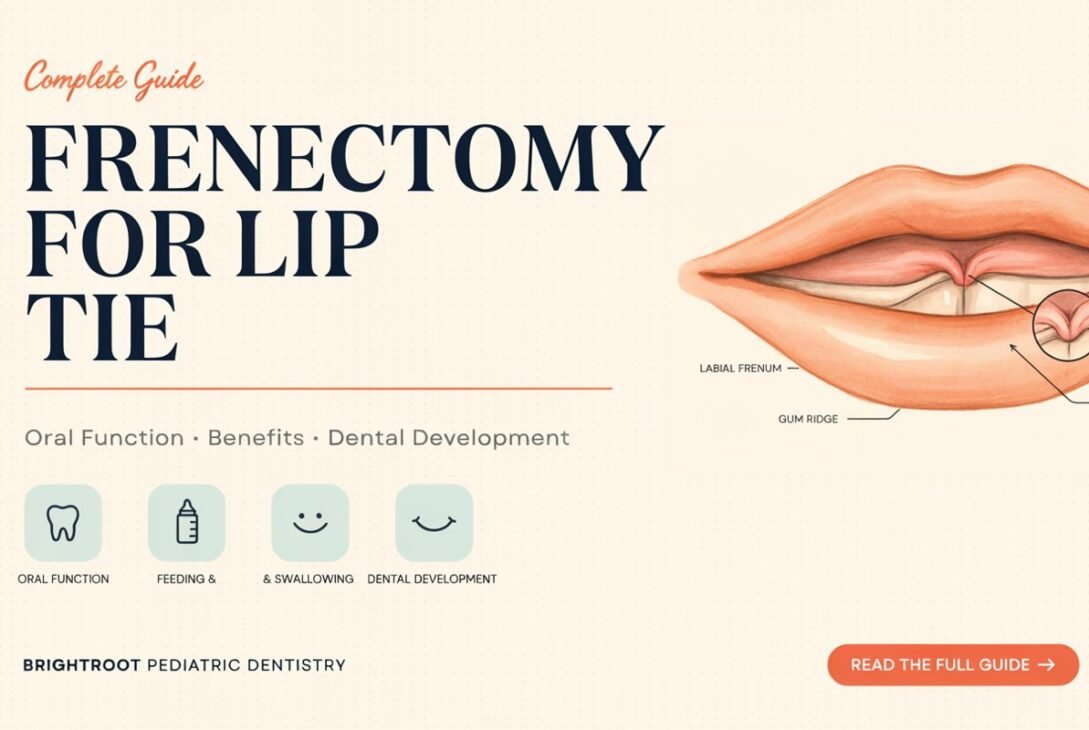
Simply put, a lip tie is when that small piece of tissue joining your upper lip to your gums — known as the labial frenulum — doesn’t stretch or move the way it normally should, often because it’s too short, thick, or tight. This tissue is present in everyone; it’s only labeled a “tie” when it restricts normal movement of the lip.
In infants, a restrictive lip tie can interfere with breastfeeding because the baby can’t flange their upper lip properly to form a good seal. In older children and adults, an overly tight frenulum is sometimes linked to a gap between the two front teeth, gum recession, or difficulty with oral hygiene in that area.
It’s worth noting that not every visible frenulum is a problem. Many people have a prominent piece of tissue there with zero functional issues. The diagnosis depends on function, not just appearance.
What Is a Frenectomy?
A frenectomy is a simple procedure that removes or releases the frenulum tissue to restore normal lip movement. It’s one of the most common minor oral procedures performed in pediatric dentistry and is also done on adults when the tie affects speech, gum health, or comfort.
There are two main techniques used today:
- Laser frenectomy – Uses a soft-tissue dental laser to remove the tissue with minimal bleeding and often no stitches.
- Scalpel (traditional) frenectomy – Uses a surgical blade, sometimes followed by dissolvable sutures.
Both methods are effective. The choice usually comes down to the provider’s training, the patient’s age, and the complexity of the tie.
Common Signs a Lip Tie Needs Treatment
Not every lip tie requires treatment. A frenectomy is generally considered when the tissue is actually causing a functional problem. Common indicators include:
In infants:
- Difficulty achieving a deep, comfortable latch
- Clicking sounds while nursing
- Poor weight gain despite frequent feeding
- Maternal nipple pain or damage during breastfeeding
- Excessive gas or reflux-like symptoms linked to poor latch
In children and adults:
- A visible gap (diastema) between the upper front teeth caused by tissue pulling on the gums
- Gum recession near the front teeth
- Difficulty cleaning food debris from that area
- Discomfort when smiling widely or moving the upper lip
If none of these apply, many dentists will recommend simply monitoring the tissue rather than intervening.
Why Frenectomy Matters for Oral Function
The upper lip does more work than most people realize. It plays a role in:
- Feeding mechanics – A mobile lip helps create the suction and seal needed for effective breastfeeding or bottle feeding.
- Speech development – Some sounds, particularly those requiring lip movement, can be affected by restricted mobility, though this connection is less consistent than with tongue ties.
- Oral hygiene – A tight frenulum can trap food particles and plaque against the gumline, increasing the risk of localized gum inflammation.
- Dental alignment – In some cases, a thick frenulum sits between the two front teeth and can contribute to a midline gap.
Addressing a genuinely restrictive lip tie early can prevent some of these downstream issues, which is why pediatric dentists often evaluate infants during their first dental visit.
The Frenectomy Procedure: What Actually Happens
For families considering this step, knowing what to expect reduces a lot of anxiety. Here’s a general outline:
Before the Procedure
The dentist or oral surgeon examines the frenulum, checks lip mobility, and in infants, may observe a feeding session to confirm the tie is actually affecting latch quality.
During the Procedure
- A topical or local anesthetic is used to numb the site beforehand, minimizing discomfort during the procedure.
- For infants, the procedure typically takes under a minute; laser techniques often require no anesthesia at all due to minimal discomfort.
- For older children or adults, it may take a few minutes longer, especially if sutures are needed.
After the Procedure
- Infants are usually put to the breast or bottle immediately, which is soothing and helps reduce fussiness.
- Mild redness or a small white patch (similar to a canker sore) at the site is normal and heals within one to two weeks.
- Over-the-counter pain relief is rarely necessary but can be used for older patients if there’s discomfort.
Recovery and Aftercare Tips
Good aftercare plays as big a role in success as the frenectomy procedure does. Here’s what most providers recommend:
- Stretching exercises – Gently lifting the upper lip a few times a day for one to two weeks helps prevent the tissue from reattaching as it heals.
- Feeding support – Working with a lactation consultant after the procedure can help retrain latch mechanics, as previous feeding habits don’t always adjust automatically.
- Oral hygiene – Keep the area clean, but avoid harsh brushing directly on the healing site for the first few days.
- Watch for red flags – Excessive bleeding, fever, or signs of infection (unusual swelling, discharge) warrant a follow-up call to the provider, though these complications are rare.
Most patients — infant or adult — return to normal activity the same day.
Benefits of Frenectomy for Lip Tie
When performed for the right reasons, a frenectomy can offer meaningful improvements:
- Better breastfeeding comfort for both parent and baby
- Improved weight gain in infants who were struggling to feed efficiently
- Reduced risk of gum recession near the frenulum site
- Easier oral hygiene around the upper front teeth
- Potential improvement in closing a midline gap, sometimes combined with orthodontic treatment
- Greater lip mobility for comfort and confidence in smiling
It’s important to set realistic expectations. A frenectomy is not a guaranteed fix for every feeding or dental concern — it addresses one specific anatomical restriction, and results vary by individual case.
Frenectomy vs. Watchful Waiting: How Providers Decide
Because not every lip tie needs treatment, many dentists and pediatricians take a conservative approach. Watchful waiting may be recommended when:
- Feeding is going smoothly, and the baby’s weight gain stays on track
- There’s no pain reported by the nursing parent
- The tissue appears mild and isn’t clearly restricting movement
Providers tend to lean toward treatment when specific problems show up — such as slow weight gain, lasting nipple trauma, or a midline gap that continues to grow rather than stabilize. A good provider will assess function over several visits rather than recommending surgery on the first appointment.
Risks and Considerations
Like any procedure, a frenectomy carries minor risks, though serious complications are uncommon:
- Mild bleeding or discomfort during healing
- Small risk of the tissue reattaching if stretching exercises aren’t done consistently
- Rare infection at the surgical site
- In adults, temporary numbness or sensitivity near the treated area
Choosing an experienced provider — one familiar with pediatric anatomy if the patient is an infant — reduces these risks significantly.
Frequently Asked Questions
1. At what age can a frenectomy be performed?
It can be done at any age, from newborns just days old to adults. The procedure is adjusted based on age, but there’s no strict minimum age requirement when medically indicated.
2. Is a frenectomy painful?
Most patients experience minimal discomfort. Laser techniques are especially known for their speed and low bleeding compared to traditional methods. Infants often settle within minutes, especially when nursing right after.
3. How long does recovery take?
Initial healing takes about one to two weeks. Most people resume normal eating, speaking, and oral hygiene routines within a day or two.
4. Will the frenulum grow back after a frenectomy?
The tissue itself doesn’t regenerate, but it can partially reattach if stretching exercises aren’t followed during healing. This is why aftercare instructions matter.
5. Will My Child’s Front Tooth Gap Close on Its Own After a Frenectomy?
Not always. In some cases, the gap narrows naturally as permanent teeth come in or with orthodontic treatment. A frenectomy addresses the tissue restriction; closing the gap fully may require additional dental work.
6. Is a lip tie the same as a tongue tie?
No. A lip tie affects the tissue connecting the upper lip to the gums, while a tongue tie (ankyloglossia) affects the tissue under the tongue. They can occur together but are diagnosed and treated separately.
7. Who performs a frenectomy?
Pediatric dentists, general dentists, oral surgeons, ENT specialists, and pediatricians trained in the procedure can all perform frenectomies, depending on the patient’s age and case complexity.
Conclusion
A lip tie is a common, well-understood condition, and a frenectomy is a straightforward procedure when the tissue genuinely restricts feeding, hygiene, or dental development. Proper evaluation makes all the difference — a visible frenulum alone isn’t a reason for surgery, but when it’s truly limiting function, a frenectomy can meaningfully boost comfort, feeding success, and oral health down the line. If you’re unsure whether a frenectomy is right for you or your child, a consultation with a dentist experienced in frenulum assessment is the best next step toward a clear, personalized answer