
If you’ve ever stood in the snack aisle staring at a stack of rice cakes, wondering whether they’re actually good for you or just expensive puffed air, you’re not alone. Rice cakes have built a reputation as the go-to “diet snack,” but that reputation deserves a closer look. This guide breaks down real rice cake nutrition facts — calories, carbohydrates, fat, protein, and fiber — so you can decide whether they belong in your pantry.
What Are Rice Cakes, Exactly?
Rice cakes are made by heating rice grains under high pressure until they puff up and bind together into a light, crunchy disc. No oil, no flour, and traditionally no added sugar. That simplicity is exactly why they’ve become popular among people watching their calorie intake, managing gluten sensitivities, or simply looking for a crunchy snack that won’t weigh them down.
There are several types you’ll find on store shelves:
- Plain white rice cakes – the original, made from puffed white rice
- Brown rice cakes – made from whole grain brown rice, slightly more fiber
- Multigrain rice cakes – blended with quinoa, buckwheat, or flaxseed
- Flavored rice cakes – think caramel, chocolate, or apple cinnamon coatings
- Savory rice cakes – seasoned with sea salt, sesame, or seaweed
Each variety has a different nutritional profile, which matters a lot once you start comparing plain cakes to flavored ones like caramel rice cakes.
Rice Cakes Nutrition Facts: The Core Numbers
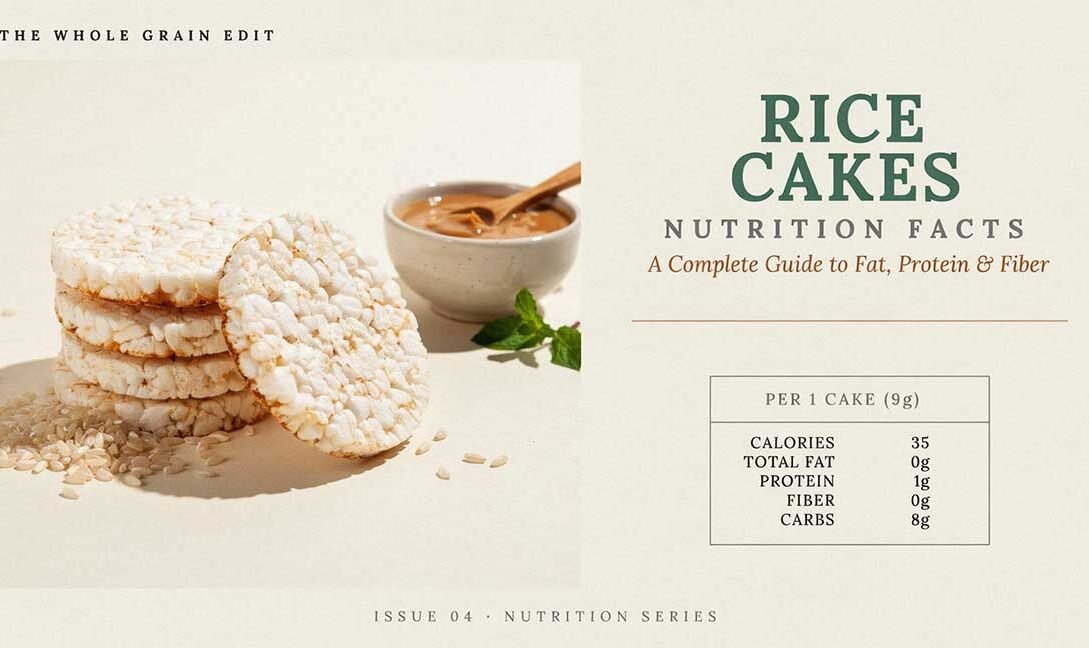
Let’s start with the basics. A standard plain, unsalted rice cake weighs around 9 grams. Here’s what one cake typically contains:
- Calories: 35
- Total Carbohydrates: 7 grams
- Protein: 0.7 grams
- Fat: 0.3 grams
- Fiber: 0.3–0.4 grams
- Sugar: 0 grams
- Sodium: 0–15 mg (varies by brand and salt content)
Scaled up to a 100-gram serving (roughly 11 cakes), the numbers look like this:
- Calories: approximately 387
- Carbohydrates: approximately 82 grams
- Protein: approximately 8 grams
- Fat: approximately 2.8 grams
- Fiber: approximately 4 grams
These figures can shift slightly depending on the brand, the type of rice used, and whether anything has been added for flavor or texture. Always check the nutrition label on the specific product you’re buying, since manufacturers vary in portion size and added ingredients.
Carbohydrates in Rice Cakes: What You Need to Know
Carbohydrates make up the bulk of a rice cake’s nutritional content, and that’s worth understanding before you build a diet around them.
A single rice cake has about 7 grams of carbohydrates, nearly all of it starch. That might not sound like much, but here’s the catch: rice cakes have very little fiber, fat, or protein to slow down digestion. This gives them a high glycemic index (GI), meaning the carbohydrates convert to blood sugar fairly quickly.
For most healthy people, an occasional rice cake won’t cause problems. But if you’re managing blood sugar — whether due to prediabetes, diabetes, or general metabolic health goals — it’s worth knowing that rice cakes alone can cause a quicker spike and crash compared to snacks that combine carbs with protein or healthy fat.
A practical tip: pairing a rice cake with a protein or fat source — like peanut butter, hummus, avocado, or a hard-boiled egg — slows digestion, keeps blood sugar steadier, and makes the snack more satisfying.
Are Rice Cakes Healthy? A Balanced Look
This is the question most people are really asking, and the honest answer is: it depends on what you compare them to and how you eat them.
Where Rice Cakes Do Well
- Low in calories. At around 35 calories per cake, they’re a lighter option than chips, crackers, or cookies.
- Low in fat. Plain rice cakes contain almost no fat, making them suitable for low-fat eating patterns.
- Gluten-free (usually). Rice is naturally gluten-free, though cross-contamination can occur in facilities that also process wheat — always check the label if you have celiac disease.
- Versatile base. Their neutral flavor makes them an easy canvas for healthy toppings.
Where They Fall Short
- Low in fiber and protein. This is the biggest nutritional gap. Fiber and protein are what make a snack filling. Without them, rice cakes digest quickly and may leave you hungry again within the hour.
- High glycemic index. As mentioned above, they can spike blood sugar faster than snacks with more balanced macronutrients.
- Easy to overeat. Because they’re light and low in calories, it’s tempting to eat several in one sitting, which can add up in carbohydrates without adding much nutritional value.
So, are rice cakes good for you? In moderation, and especially when topped with nutrient-dense foods, yes — they can fit into a balanced diet. But relying on them as a primary snack without pairing them with protein or fiber isn’t ideal for lasting energy or fullness.
Caramel Rice Cakes Calories: A Different Story
Flavored rice cakes, especially caramel-coated varieties, tell a very different nutritional story than the plain version.
A typical caramel rice cake can contain:
- Calories: 60–100 per cake (roughly double to triple the plain version)
- Sugar: 4–7 grams
- Carbohydrates: 12–17 grams
- Fat: 1–3 grams (from the coating)
The caramel coating adds sugar and calories without meaningfully increasing fiber or protein. That doesn’t make caramel rice cakes “bad,” but it does mean they function more like a light dessert or treat than a diet-friendly snack. If you’re watching added sugar intake, it’s worth checking the nutrition label, since caramel and chocolate-coated varieties can vary significantly between brands.
Rice Cake Nutrition Compared to Other Snacks
Putting rice cakes side-by-side with common snack alternatives helps put their nutritional value into perspective.
| Snack (per serving) | Calories | Carbs | Protein | Fiber | Fat |
|---|---|---|---|---|---|
| Plain rice cake (1) | 35 | 7g | 0.7g | 0.3g | 0.3g |
| Potato chips (1 oz) | 150 | 15g | 2g | 1g | 10g |
| Whole wheat crackers (1 oz) | 120 | 20g | 3g | 3g | 4g |
| Popcorn, air-popped (1 cup) | 31 | 6g | 1g | 1.2g | 0.4g |
| Caramel rice cake (1) | 70–100 | 12–17g | 0.8g | 0.3g | 1–3g |
Compared to chips, plain rice cakes are clearly the lighter choice in calories and fat. But compared to something like air-popped popcorn, they’re fairly similar in calories while offering less fiber — popcorn actually edges them out as the more filling option gram for gram.
How to Make Rice Cakes More Nutritious
Since the biggest nutritional gap in rice cakes is protein and fiber, the easiest fix is smart topping choices. A few combinations that work well:
- Nut butter + banana slices – adds protein, healthy fat, and natural sweetness
- Avocado + a pinch of sea salt – adds fiber and monounsaturated fat
- Cottage cheese + cucumber – adds protein with very few extra calories
- Hummus + cherry tomatoes – adds fiber, plant protein, and flavor
- Greek yogurt + berries – adds protein and antioxidants (best for a sweeter snack)
These combinations turn a rice cake from a quick starch hit into a more balanced mini-meal or snack that will actually keep you satisfied.
Who Should Be Cautious With Rice Cakes?
While rice cakes are generally safe for most people, a few groups should pay closer attention:
- People managing diabetes or insulin resistance should be mindful of the high glycemic index and consider pairing rice cakes with protein or fat.
- People with celiac disease should double-check labels for gluten cross-contamination warnings, since not all facilities are dedicated gluten-free.
- People trying to build muscle or stay full longer may find rice cakes insufficient on their own, given the low protein and fiber content.
- People watching sodium intake should check labels on flavored or savory varieties, as sodium content varies more than most people expect.
Frequently Asked Questions
1. How many calories are in a plain rice cake?
A standard plain rice cake contains approximately 35 calories, making it one of the lower-calorie packaged snacks available.
2. Are rice cakes good for weight loss?
They can support weight loss goals because they’re low in calories and fat. However, since they’re low in fiber and protein, they may not keep you full for long, so pairing them with a protein source is a smarter approach for sustained weight management.
3. How many carbohydrates are in rice cakes?
A single plain rice cake has about 7 grams of carbohydrates, almost entirely from starch, with very little fiber to slow digestion.
4. Are caramel rice cakes healthy?
Caramel rice cakes contain added sugar and roughly double to triple the calories of plain rice cakes. They can be enjoyed occasionally as a lighter treat, but they shouldn’t be considered a health food in the same way plain rice cakes are.
5. Do rice cakes spike blood sugar?
Yes, rice cakes have a high glycemic index because they’re mostly starch with little fat, fiber, or protein to slow absorption. Pairing them with a protein or fat source can help moderate blood sugar response.
6. Are rice cakes gluten-free?
Plain rice cakes made purely from rice are naturally gluten-free, since rice itself contains no gluten protein. However, always check the packaging for cross-contamination warnings if you have celiac disease or a severe gluten intolerance.
7. Are brown rice cakes healthier than white rice cakes?
Brown rice cakes typically contain slightly more fiber and micronutrients than white rice cakes since they’re made from whole grain rice. The difference is modest, but it can add up over time.
Conclusion
Rice cakes occupy a unique spot in the snack world: low in calories and fat, but also low in the fiber and protein that make a snack truly satisfying. Plain rice cakes can be a smart, light option — especially when topped with nutrient-dense foods like nut butter, avocado, or hummus. Flavored versions like caramel rice cakes, on the other hand, function more like a treat due to their added sugar and higher calorie count. As with most foods, the healthiest approach is balance: know what you’re eating, pair it thoughtfully, and choose the version that fits your specific nutrition goals.