Your gut does a lot more than digest food. It plays a huge role in your immune system, your mood, and even your energy levels. If you’ve ever felt bloated, sluggish, or just “off” after eating, your gut might be sending you a signal. The good news? Small changes to your plate can make a big difference. In this guide, we’ll walk through the best foods for gut health that you can start adding to your meals today.
What Is Gut Health and Why It Matters
Your gut is home to trillions of bacteria, often called the gut microbiome. These tiny organisms help break down food, absorb nutrients, and even produce vitamins your body needs. When this ecosystem is balanced, you feel good. When it’s not, things can go sideways fast. That’s why focusing on foods good for digestive system function isn’t just a trend; it’s a foundation for overall digestive health. For a deeper dive, check out this gut-healthy foods guide for more practical tips.
The Gut-Brain Connection
Ever notice how stress can give you a stomachache? That’s not a coincidence. Your gut and brain are connected through what scientists call the gut-brain axis. They communicate constantly through nerves and chemical signals. So when your gut is unhappy, your mood can take a hit too. Taking care of your gut might just be one of the easiest ways to support your mental clarity.
Signs of an Unhealthy Gut
How do you know if something’s wrong? Common signs of an unhealthy gut include bloating, constant fatigue, food intolerances, and irregular bathroom habits. Skin issues like acne or eczema can also be linked to gut imbalance. If any of this sounds familiar, don’t worry. The foods below can help you turn things around naturally.
Top Probiotic Foods for a Healthy Gut
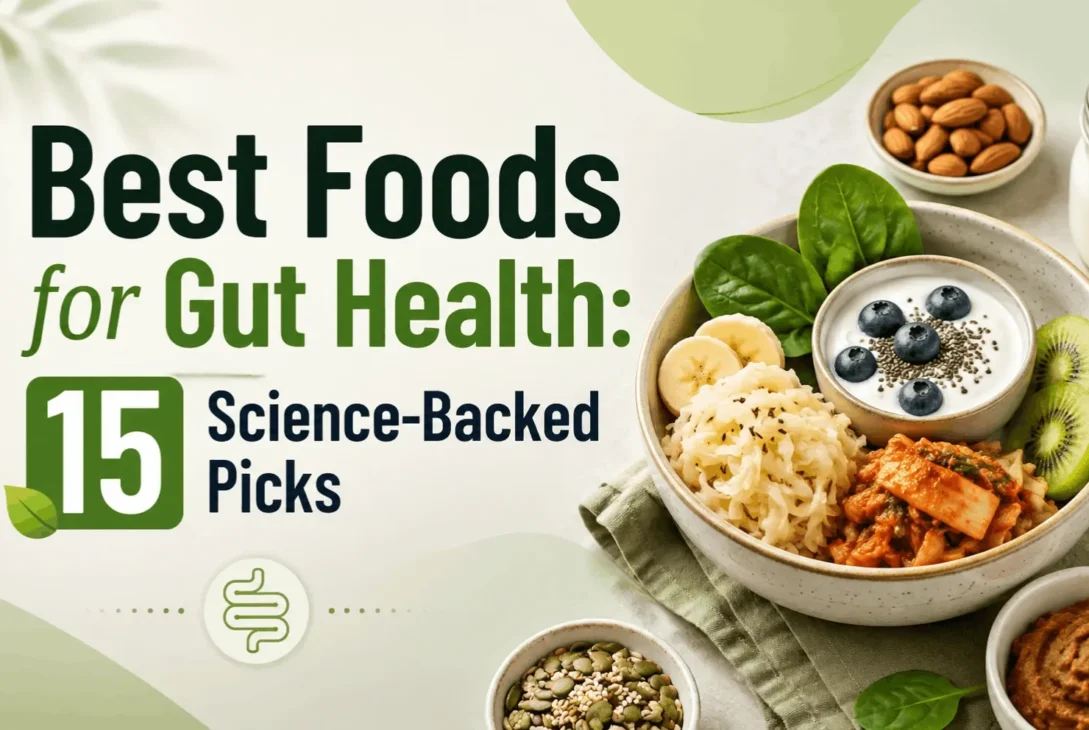
Probiotic foods are loaded with live, beneficial bacteria. They help replenish the good guys in your gut and crowd out the bad ones. Adding these to your diet is one of the simplest ways to learn how to improve gut bacteria without supplements or fancy routines. Plus, many of these foods are delicious and easy to find at any grocery store.
Fermented foods have been used for centuries, long before anyone understood the science behind them. People just knew these foods made them feel better. Now we know why: fermentation creates probiotics that support a thriving microbiome. Let’s break down a few standout options.
Yogurt and Kefir
Yogurt and kefir are probably the easiest probiotic foods to add to your routine. Just grab a spoon and go. Kefir, a fermented milk drink, often contains even more bacterial strains than yogurt. If you’re trying to decide between options, this guide comparing yogurt options can help you pick the right one for your goals.
Fermented Vegetables (Sauerkraut, Kimchi)
Sauerkraut and kimchi aren’t just tasty side dishes; they’re powerhouses of fermented foods. The fermentation process creates billions of beneficial bacteria. A small serving alongside your dinner can go a long way. Just look for unpasteurized versions in the fridge section, since pasteurization kills the live cultures.
Kombucha
Kombucha is fermented tea, and it’s become wildly popular over the past decade. It has a tangy, slightly fizzy taste that takes some getting used to. But once you do, it’s hard to go back to regular soda. One cup a day can be a refreshing way to support digestion.
Best Prebiotic Foods to Feed Good Bacteria
Probiotics get all the attention, but prebiotic fiber deserves credit too. Think of prebiotics as fertilizer for the good bacteria already living in your gut. Without them, even the best probiotics won’t thrive. Together, they form one of the best probiotic and prebiotic food combinations for long-term digestive wellness.
The good news is that prebiotic foods are everywhere, and you probably eat some already without realizing it. Let’s look at a few of the top choices that pack the biggest punch.
Garlic, Onions, and Leeks
These kitchen staples are rich in inulin, a type of fiber that feeds beneficial bacteria. They add flavor to almost any dish, so it’s easy to sneak them in. Even small amounts cooked into soups or stir-fries can make a noticeable difference over time.
Bananas and Oats
Bananas, especially slightly green ones, contain resistant starch that acts as a prebiotic. Oats work in a similar way, offering soluble fiber that bacteria love to feast on. Together, they make a simple, filling breakfast that does double duty for your gut.
Asparagus
Asparagus might not be the most exciting vegetable, but it’s a quiet hero for digestion. It’s high in fiber and contains compounds that support healthy bacterial growth. Roast it, grill it, or toss it into a stir-fry; just don’t skip it.
Fiber-Rich Foods That Support Digestion
Fiber is one of the simplest, most overlooked tools for digestive wellness. It adds bulk to stool, keeps things moving, and feeds your gut bacteria along the way. If you’re looking for foods that improve digestion without complicated meal prep, fiber-rich options are your best bet.
Most people don’t get enough fiber daily, and that gap can lead to sluggish digestion. The fix is easier than you think.
Whole Grains
Whole grains like brown rice, quinoa, and whole wheat bread retain their fiber-rich outer layers. This makes them far more beneficial than refined grains, which strip away most of the good stuff. Swapping white rice for brown rice is a small change with a real impact.
Legumes and Beans
Beans, lentils, and chickpeas are fiber superstars. They’re affordable, versatile, and keep you full for hours. Yes, they might cause some gas at first, but your gut usually adjusts within a week or two as it gets used to the extra fiber.
Foods to Avoid for Better Gut Health
While adding good foods matters, cutting back on certain items matters just as much. Highly processed foods, excess sugar, and artificial sweeteners can disrupt your gut microbiome. They tend to feed harmful bacteria while starving the beneficial ones. Over time, this imbalance can lead to inflammation and digestive discomfort.
Fried foods and excessive alcohol are also worth limiting. They’re tough on your digestive system and can damage the gut lining over time. Finding natural ways to heal gut function often starts with simply removing these troublemakers, rather than adding something new.
Simple Tips to Build a Gut-Friendly Diet
Building a gut-friendly diet doesn’t have to be complicated. Start small: add one fermented food and one fiber-rich food to your meals each day. Drink plenty of water, since fiber needs fluid to do its job properly. Consistency matters more than perfection here.
Think of your gut health diet plan as a long game, not a quick fix. For more general wellness inspiration, these daily wellness habits pair nicely with the dietary changes above. According to Johns Hopkins Medicine research, simple dietary shifts can have a measurable impact on digestive comfort within weeks.
FAQs
How quickly will I notice results?
Most people notice changes within two to three weeks of consistent eating habits.
Can I take probiotics instead of eating fermented foods?
Supplements can help, but whole foods often provide a broader range of beneficial bacteria.
Is it okay to combine probiotic and prebiotic foods in one meal?
Absolutely, and it’s actually one of the most effective approaches for overall digestive health.