Few spices carry the warmth, history, and versatility of cinnamon sticks. Whether tucked into a mug of hot cider, simmered in a pot of curry, or ground fresh over morning oatmeal, this humble bark has earned its place in kitchens across the globe. Yet many home cooks still wonder what exactly cinnamon sticks are, how they differ from ground cinnamon, and what real health benefits they offer.
This guide breaks down everything you need to know — from sourcing quality sticks to using them safely and effectively in your kitchen.
What Are Cinnamon Sticks?
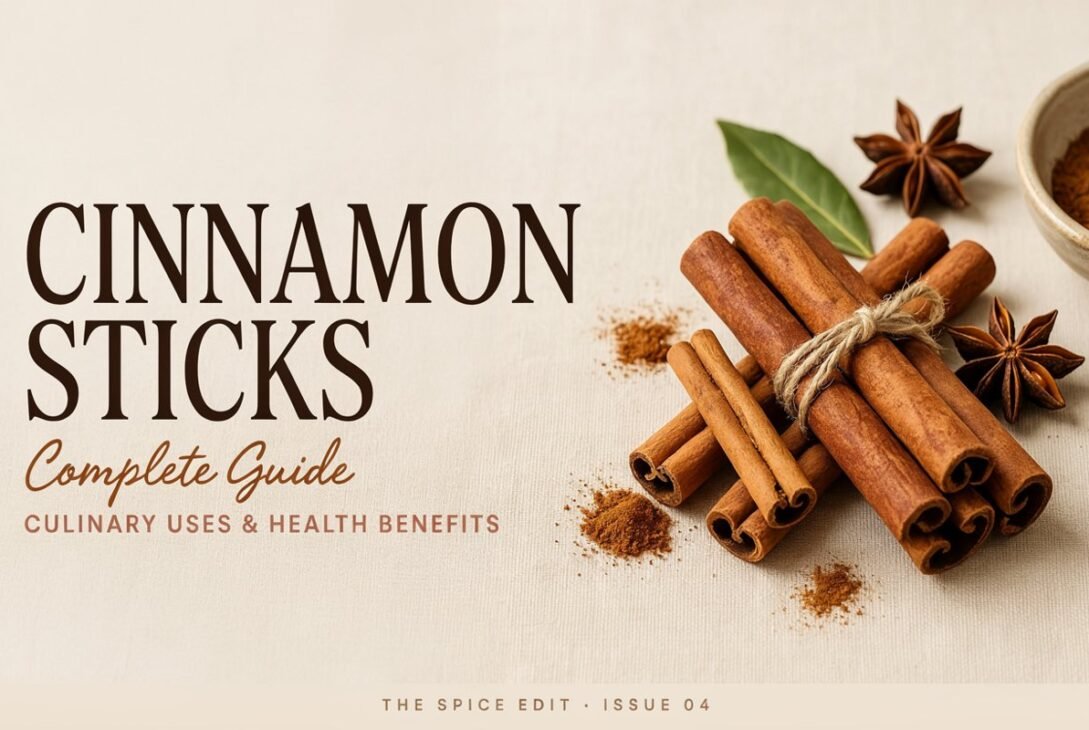
Cinnamon sticks are the dried, curled bark of trees belonging to the Cinnamomum genus. When harvested, the inner bark is peeled away and left to dry naturally. As it dries, it curls into the familiar tube-like quills sold in grocery stores.
There are two primary types worth knowing:
- Ceylon cinnamon – Often called “true cinnamon,” it has a lighter color, softer texture, and delicate, slightly citrusy flavor. It’s grown mainly in Sri Lanka.
- Cassia cinnamon – The more common variety found in supermarkets. It has a darker, thicker bark and a bolder, spicier taste. Most cinnamon sold in the U.S. is cassia.
Knowing the difference matters, especially for those using cinnamon regularly, since the two varieties differ in both flavor intensity and chemical composition.
Why Choose Whole Sticks Over Ground Cinnamon?
Ground cinnamon is convenient, but whole sticks offer distinct advantages that many cooks overlook.
Flavor retention
Ground spices lose potency quickly once exposed to air. Whole sticks preserve their essential oils far longer, meaning better aroma and taste when you finally use them.
Controlled infusion
Sticks release flavor gradually, which makes them ideal for slow-cooked dishes, teas, and broths where you want warmth without overpowering bitterness.
Easy removal
Unlike powder, a stick can simply be lifted out of a pot once it’s done its job — no gritty texture left behind.
Longer shelf life
Stored properly in an airtight container away from light and moisture, whole cinnamon sticks can stay fresh for up to three years, compared to six months to a year for ground cinnamon.
Culinary Uses of Cinnamon Sticks
In Beverages
Cinnamon sticks are a staple in warm drinks. They’re commonly simmered in:
- Mulled wine and cider
- Chai tea and spiced coffee
- Hot chocolate
- Horchata (a cinnamon-rice beverage popular in Latin America)
Simply drop a stick into hot liquid and let it steep for 10–15 minutes to release its natural oils.
In Savory Cooking
While many associate cinnamon with sweets, it plays a major role in savory dishes too. Middle Eastern and South Asian cuisines frequently use cinnamon sticks in:
- Biryanis and pilafs
- Moroccan tagines
- Slow-braised meats
- Lentil and bean stews
The stick is typically added early in cooking and removed before serving, infusing the dish with subtle warmth without overwhelming other spices.
In Baking and Desserts
Cinnamon sticks can be ground fresh using a spice grinder for baking recipes that call for ground cinnamon. Freshly ground cinnamon has noticeably more depth than pre-ground store-bought powder, which often sits on shelves for months before purchase.
They’re also used whole as garnishes — think apple pie filling, poached pears, or rice pudding — where the stick simmers with the fruit before being discarded.
As a Natural Garnish
Beyond flavor, cinnamon sticks add visual appeal. Bartenders often use them as stirrers for cocktails, while home cooks garnish desserts and hot drinks with a stick for both aroma and presentation.
Health Benefits of Cinnamon Sticks
Cinnamon isn’t just a flavor enhancer — it has been studied for several potential health benefits. It’s worth noting that most research on cinnamon involves concentrated extracts, so effects from occasional culinary use are typically milder.
Rich in Antioxidants
Cinnamon contains polyphenols, compounds known for their antioxidant properties. Antioxidants help neutralize free radicals in the body, which are linked to cellular aging and various chronic conditions.
May Support Healthy Blood Sugar Levels
Several studies have examined cinnamon’s potential to improve insulin sensitivity and lower fasting blood sugar levels, particularly in people with type 2 diabetes. Research suggests Ceylon cinnamon may produce a more noticeable effect in this area, though outcomes are not entirely consistent across the scientific literature. This isn’t a substitute for medical treatment, but it’s a promising area of ongoing research.
Anti-Inflammatory Properties
Chronic inflammation is associated with numerous long-term health issues. Compounds in cinnamon, particularly cinnamaldehyde, have shown anti-inflammatory effects in laboratory studies.
Antimicrobial Qualities
Cinnamon has natural antibacterial and antifungal properties. Historically, it was even used as a food preservative before refrigeration became widespread.
Heart Health Support
Some research suggests cinnamon may help modestly reduce LDL cholesterol and triglyceride levels, which are risk factors for heart disease. As with blood sugar effects, more large-scale human studies are needed to confirm these findings conclusively.
A Note on Coumarin: Ceylon vs. Cassia
One important safety consideration is coumarin, a naturally occurring compound found in higher concentrations in cassia cinnamon compared to Ceylon. In sensitive individuals, consuming too much coumarin over time has been associated with potential strain on liver function.
For those consuming cinnamon in small culinary amounts, this isn’t typically a concern. Those who rely on concentrated cinnamon supplements or use substantial amounts of cassia cinnamon every day should consider opting for Ceylon cinnamon instead, given its notably lower coumarin content.
As always, anyone with existing liver conditions or those taking medication should consult a healthcare provider before using cinnamon supplements.
How to Choose and Store Cinnamon Sticks
Choosing quality sticks:
- Look for a strong, sweet aroma — a weak scent often signals age or poor quality.
- Check for uniform color and tightly curled bark.
- Ceylon sticks will appear layered, like a cigar with multiple thin layers, while cassia sticks are thicker and curl from one side only.
Storing for freshness:
- Keep sticks in an airtight glass jar.
- Choose a dark, temperature-stable spot in your pantry, shielded from both light and warmth.
- Avoid storing near the stove, where heat and humidity speed up flavor loss.
Simple Ways to Start Using Cinnamon Sticks Today
If you’re new to cooking with whole cinnamon sticks, here are a few beginner-friendly ideas:
- Add one stick to your rice cooker before cooking basmati or jasmine rice.
- Simmer a stick in apple juice for five minutes for an instant warm cider.
- Toss a stick into your slow cooker with stew or chili for subtle depth.
- Let a cinnamon stick steep in warm milk, then stir in a little honey for a cozy, sleep-friendly beverage.
- Grind a stick fresh and sprinkle over roasted sweet potatoes or squash.
Frequently Asked Questions
1. Can I reuse a cinnamon stick after boiling it?
Yes, a cinnamon stick can often be reused two to three times before it loses most of its flavor. Give it a quick rinse under water, then let it dry fully before its next use.
2. Are cinnamon sticks better than ground cinnamon?
It’s not really a matter of one being superior — the right choice depends on how you plan to use it. Sticks are ideal for infusing liquids and slow-cooked dishes, while ground cinnamon is more practical for baking and quick recipes.
3. How long do cinnamon sticks last?
When stored properly in an airtight container, whole cinnamon sticks can retain good flavor for up to three years, far longer than ground cinnamon.
4. Is Ceylon cinnamon healthier than cassia cinnamon?
Ceylon cinnamon contains much lower levels of coumarin, making it a safer choice for people who consume cinnamon frequently or in large amounts.
5. Can cinnamon sticks help with blood sugar control?
Some studies suggest cinnamon may support healthy blood sugar levels, but it should never replace prescribed diabetes medication or professional medical advice.
6. Do cinnamon sticks expire?
They don’t spoil in the traditional sense, but they do lose potency and aroma over time. If a stick has little to no smell, it’s likely past its prime flavor.
7. Can I eat a cinnamon stick directly?
Cinnamon sticks are meant to be simmered or steeped, not eaten whole, as the bark is tough and fibrous. Ground cinnamon made from the stick is safe to consume directly in food.
Conclusion
Cinnamon sticks are far more than a holiday-season spice. From savory rice dishes to comforting winter drinks, they offer depth of flavor that ground cinnamon often can’t match. Beyond the kitchen, cinnamon carries a legacy of use in traditional wellness practices, backed increasingly by modern research into its antioxidant, anti-inflammatory, and blood sugar-supporting properties.
Whether you’re a home cook looking to elevate everyday meals or someone interested in natural wellness ingredients, keeping a jar of quality cinnamon sticks on hand is a simple, worthwhile addition to any kitchen