If you’ve noticed a chip, gap, or stain that bothers you every time you smile in photos, you’ve probably come across the term “dental bonding” while searching for a fix. It’s one of the most talked-about cosmetic dental treatments, and for good reason — it’s fast, affordable, and requires little to no recovery time.
This guide breaks down everything you need to know about dental bonding: how it works, what it costs, how long it lasts, and whether it’s the right choice for your smile.
What Is Dental Bonding?
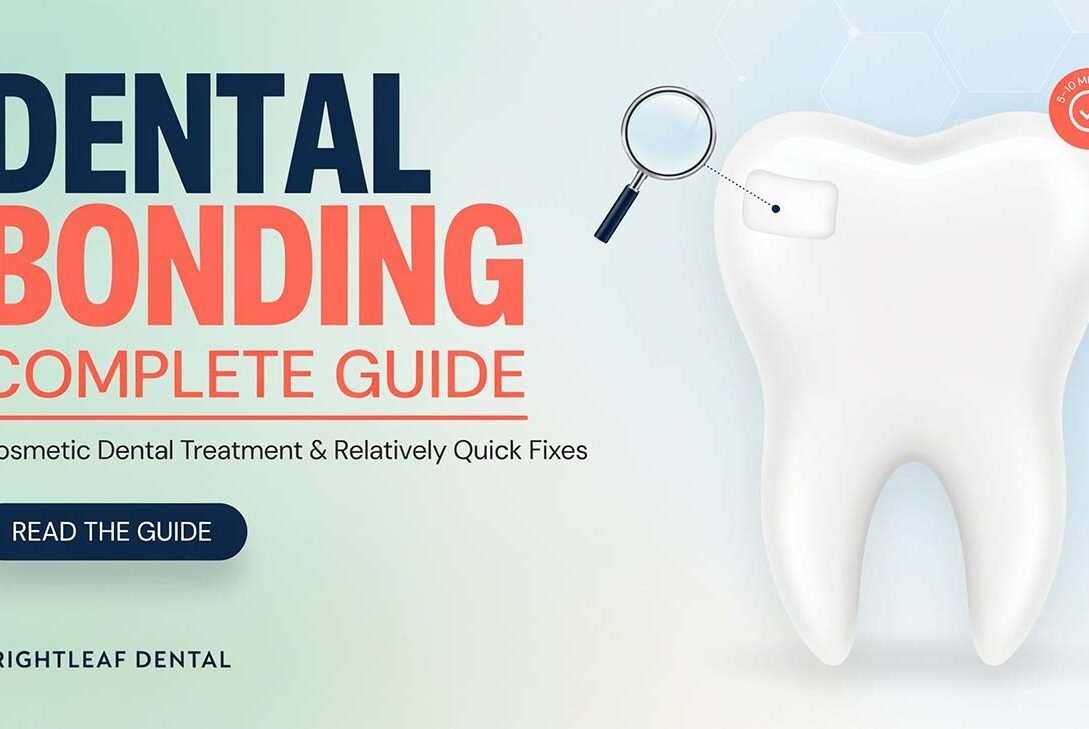
Dental bonding is a cosmetic dental procedure where a dentist applies a tooth-colored composite resin to a tooth, shapes it, and hardens it with a special light. The resin bonds directly to the enamel, which is why the treatment is called “bonding.”
Unlike veneers or crowns, bonding doesn’t usually require lab work or multiple visits. In most cases, a dentist can complete the entire procedure in a single appointment.
In simple terms: dental bonding is a quick, non-invasive way to repair or reshape teeth using a durable resin material that matches your natural tooth color.
Why People Choose Dental Bonding
Patients turn to bonding for a range of reasons, both cosmetic and functional. Here are a few of the biggest reasons patients ask for it:
- Fixing chipped or cracked teeth
- Closing small gaps between teeth
- Covering discoloration that whitening can’t fix
- Reshaping uneven or short teeth
- Protecting an exposed tooth root from gum recession
- Making teeth appear longer or more symmetrical
Because the procedure is minimally invasive, it appeals to people who want visible results without committing to a more permanent or expensive treatment right away.
How the Dental Bonding Procedure Works
Understanding the actual process can ease any nerves you might have before your appointment. Here’s a breakdown of what actually happens once you’re in the dentist’s chair:
1. Consultation and Shade Matching
Your dentist examines the tooth and selects a resin shade that matches your natural teeth as closely as possible.
2. Surface Preparation
The tooth surface is lightly roughened, and a conditioning liquid is applied. This helps the bonding material adhere properly.
3. Applying the Resin
The dentist presses on the soft, putty-like resin and works it into shape by hand, sculpting it to match the tooth right next to it.
4. Curing With Light
A special curing light hardens the material within seconds.
5. Final Shaping and Polishing
The dentist trims excess material, refines the shape, and polishes the tooth so it blends naturally with the rest of your smile.
Most sessions take between 30 and 60 minutes per tooth, which is why bonding is often described as a “relatively quick” cosmetic fix compared to veneers or crowns.
Dental Bonding vs. Other Cosmetic Treatments
It helps to see how bonding stacks up against other popular options.
Dental Bonding vs. Veneers
Veneers are thin shells custom-made in a lab and bonded onto the front of teeth. They last longer than bonding but cost significantly more and often require enamel removal.
Bonding, on the other hand, is reversible in many cases and doesn’t require lab fabrication.
Dental Bonding vs. Crowns
Crowns cover the entire tooth and are typically used for more serious structural damage. Bonding is better suited for minor to moderate cosmetic issues.
Dental Bonding vs. Teeth Whitening
Whitening only changes tooth color, while bonding can reshape, resize, and repair a tooth in addition to improving its appearance.
How Long Does Dental Bonding Last?
On average, dental bonding lasts between 4 and 8 years, depending on:
- Your oral hygiene habits
- The location of the bonded tooth
- Whether you grind your teeth
- Your diet (frequent coffee, tea, or red wine can stain resin over time)
- How well you avoid biting hard objects like ice or pens
Front teeth used for biting into food may wear down slightly faster than teeth used less aggressively.
Cost of Dental Bonding
One of the biggest advantages of bonding is affordability. While prices vary by location and dentist experience, dental bonding generally costs less than veneers or crowns.
Costs depend on:
- Number of teeth being treated
- Complexity of the reshaping
- Dentist’s expertise and clinic location
- Whether it’s for cosmetic or restorative purposes
Because bonding is often considered cosmetic, some dental insurance plans may not cover it unless it’s for structural repair. A quick call to your insurance provider before treatment can save you an unwelcome surprise on the bill.
Is Dental Bonding Painful?
For most patients, dental bonding is virtually painless. Since the procedure typically doesn’t involve removing significant enamel, anesthesia usually isn’t necessary — unless bonding is being used to fill a cavity or repair a deeper structural issue.
Some patients report mild sensitivity to hot or cold foods for a day or two afterward, but this typically fades quickly.
Pros and Cons of Dental Bonding
Advantages
- Fast — often completed in one visit
- Affordable compared to veneers or crowns
- Minimally invasive
- Reversible in many cases
- Natural-looking results
Disadvantages
- Less durable than porcelain veneers or crowns
- More prone to staining over time
- Not ideal for large structural repairs
- May need touch-ups every few years
Knowing both sides helps set realistic expectations before committing to treatment.
How to Care for Bonded Teeth
Proper care can significantly extend the lifespan of your dental bonding. Dentists commonly recommend:
- Brushing twice daily with a non-abrasive toothpaste
- Flossing daily to prevent decay around the bonded area
- Avoiding biting hard objects (ice, pens, fingernails)
- Limiting stain-causing foods and drinks
- Wearing a nightguard if you grind your teeth
- Scheduling regular dental checkups
Think of bonded teeth like a natural tooth with slightly more sensitivity to wear — treating them gently goes a long way.
Is Dental Bonding Right for You?
Dental bonding works best for people with:
- Minor chips or cracks
- Small gaps between teeth
- Mild discoloration
- Slightly uneven tooth shape
- Good overall oral health
It may not be the best option for individuals with severe misalignment, extensive decay, or major structural damage — in these cases, a dentist may recommend veneers, crowns, or orthodontic treatment instead.
Common Myths About Dental Bonding
Myth: Bonding lasts forever.
Truth: It typically lasts several years, not permanently.
Myth: Bonding is only cosmetic.
Truth: It’s also used for functional repairs, like protecting exposed roots or filling small cavities.
Myth: Bonding requires major enamel removal.
Truth: Most bonding procedures require little to no enamel removal.
Frequently Asked Questions (FAQs)
1. Is dental bonding permanent?
No. Dental bonding is considered a semi-permanent solution, generally lasting several years before needing repair or replacement.
2. Does dental bonding stain easily?
Yes, somewhat. The resin used in bonding tends to pick up stains faster than your natural enamel does, particularly if you’re a regular coffee, tea, or tobacco user. Good oral hygiene helps minimize this.
3. Can dental bonding fix a large gap between teeth?
For small to moderate gaps, bonding does a great job closing them up. Larger gaps may require orthodontic treatment or veneers for a more balanced result.
4. How soon can I eat after dental bonding?
You can typically eat right away, though it’s wise to avoid very hard or sticky foods for the first 24 hours while the material fully sets.
5. Is dental bonding covered by insurance?
Coverage varies. If bonding is done for cosmetic reasons, insurance may not cover it. If it’s for structural repair, some plans may provide partial coverage.
6. How do I know if I need bonding or veneers?
A dentist can help you decide based on the extent of damage, budget, and desired longevity. Minor issues usually favor bonding, while extensive cosmetic changes often favor veneers.
7. Can dental bonding be removed?
Usually, yes. Because the resin is layered onto the tooth’s surface rather than fused into its structure, a dentist can typically remove or replace it later without disturbing the enamel underneath
Conclusion
Dental bonding remains one of the most practical, affordable, and relatively quick solutions for improving the appearance of your teeth. Whether you’re dealing with a small chip, a stubborn stain, or a minor gap, bonding offers a same-day fix without the cost or commitment of veneers or crowns.
That said, it’s not a one-size-fits-all solution. The best way to know if dental bonding fits your needs is to consult a licensed dentist who can assess your teeth and recommend the most suitable cosmetic or restorative option.
If you’re considering a simple, effective way to enhance your smile, dental bonding is worth discussing at your next dental visit