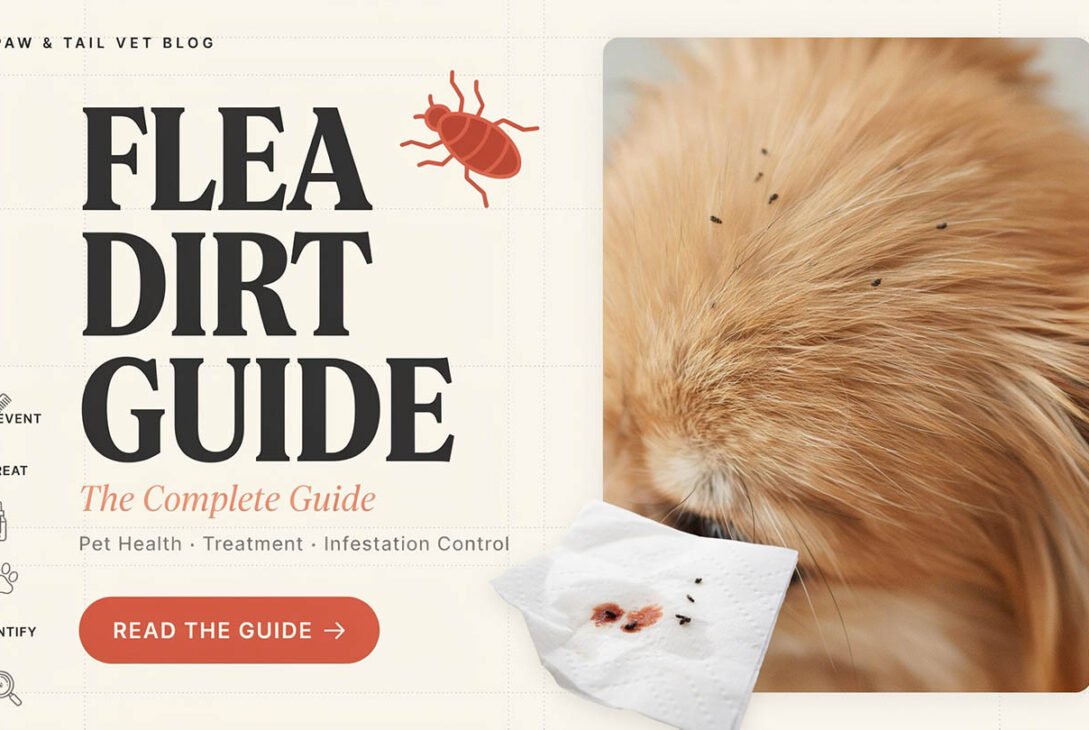
If you’ve ever run a fine-toothed comb through your dog’s fur and noticed tiny black specks falling onto a paper towel, you may have stumbled across flea dirt. It’s one of the clearest early warning signs of a flea infestation, yet many pet owners mistake it for regular dirt or debris. Understanding what flea dirt is, how to identify it, and what to do about it can save your pet from weeks of discomfort and save your home from a full-blown infestation.
This guide breaks down everything you need to know about flea dirt, from identification to treatment, so you can act quickly and confidently.
What Is Flea Dirt?
Flea dirt is the common name for flea feces. It’s made up of digested blood that fleas excrete after feeding on a host animal. Despite the name, it isn’t dirt at all — it’s a byproduct of a flea’s diet, and its presence almost always means fleas are actively living on your pet.
Quick definition: Flea dirt refers to small, dark, pepper-like specks found in a pet’s fur, bedding, or resting areas, consisting primarily of dried blood excreted by fleas.
Because fleas feed exclusively on blood, their waste has a distinct reddish-brown color when moistened, which is one of the easiest ways to distinguish it from ordinary dirt or debris.
Flea Dirt vs. Regular Dirt: How to Tell the Difference
Many pet owners confuse flea dirt with soil, sand, or skin flakes. Here’s a simple comparison to help you tell them apart.
- Flea dirt: Turns reddish-brown when wet, has a grainy texture, and clings to fur near the skin.
- Regular dirt: Stays brown or gray when wet, doesn’t dissolve into a reddish tint, and is usually loosely scattered rather than clustered near the skin.
- Dandruff or dry skin flakes: White or pale in color, flaky rather than granular, and doesn’t change color with water.
The Wet Paper Towel Test
This is the most reliable at-home method for confirming flea dirt.
- Comb through your pet’s fur, focusing on the neck, lower back, and tail base.
- Collect any dark specks on a damp white paper towel.
- Press or smear the specks gently.
- If the mark turns reddish-brown, it’s flea dirt. If it stays dark or gray, it’s likely regular debris.
This simple test takes less than five minutes and gives you a clear, visual answer without needing a vet visit.
Where Flea Dirt Is Commonly Found
Fleas tend to gather in warm, protected areas of your pet’s body, so flea dirt is usually concentrated in specific spots.
- Around the neck and collar area
- Near the tail base and lower back
- Behind the ears
- Along the belly and inner thighs
- In pet bedding, carpets, and furniture where your pet rests
If you’re checking a cat, pay close attention to the base of the tail and the back of the neck, since cats often groom away visible fleas but miss dirt in these harder-to-reach areas.
Why Flea Dirt Matters for Pet Health
Flea dirt isn’t just a cosmetic nuisance. Its presence signals an active flea population, which can lead to several health issues if left untreated.
1. Skin Irritation and Allergic Reactions
Some pets develop flea allergy dermatitis (FAD), an intense allergic reaction to flea saliva. Even a single bite can trigger excessive scratching, redness, hair loss, and scabbing.
2. Risk of Tapeworm Infection
Fleas can carry tapeworm larvae. If a pet swallows an infected flea while grooming, it can develop a tapeworm infection, which may require additional veterinary treatment.
3. Anemia in Severe Infestations
In young, small, or elderly pets, a heavy flea infestation can cause blood loss significant enough to result in anemia. This is more common in puppies and kittens, whose smaller blood volume makes them more vulnerable.
4. Spread to Other Pets and Household Members
Fleas reproduce quickly. A female flea can lay up to 50 eggs per day, meaning an unaddressed infestation can spread rapidly to other pets, carpets, and furniture throughout your home.
How to Get Rid of Flea Dirt and Fleas Effectively
Once you’ve confirmed flea dirt, the next step is a two-part approach: treat your pet and treat your home. Skipping either step often leads to reinfestation.
Step 1: Treat Your Pet
- Use a vet-approved flea treatment. Topical treatments, oral medications, and flea collars are all effective options, but their strength and duration vary. A veterinarian can recommend the best choice based on your pet’s age, weight, and health history.
- Bathe your pet with a flea shampoo. This helps remove flea dirt and adult fleas immediately, though it should be paired with a longer-term treatment for full control.
- Comb regularly with a flea comb. Fine-toothed combs physically remove fleas and flea dirt, and are especially useful for kittens and puppies too young for chemical treatments.
Step 2: Treat Your Home
Since flea eggs and larvae often live in carpets, bedding, and furniture rather than directly on your pet, home treatment is just as important.
- Wash all pet bedding in the hottest water the fabric can safely handle, at least once a week while the infestation is active. Hot water kills flea eggs and larvae hiding in the fibers, which regular washing alone often misses
- Vacuum carpets, rugs, and furniture thoroughly, then dispose of the vacuum bag or empty the canister outside.
- Consider a household flea spray or fogger for severe infestations, following label instructions carefully.
- Treat outdoor areas your pet frequents, since flea larvae can survive in shaded, humid patches of yard.
So, How Long Before Fleas Are Actually Gone for Good?
Most infestations take three to four months to fully resolve. This is because flea eggs, larvae, and pupae can survive in the environment long after adult fleas are eliminated from your pet. Consistency with both pet and home treatment is key to breaking the flea life cycle.
Preventing Future Flea Infestations
Prevention is far easier and less costly than treating an active infestation. A few consistent habits can keep flea dirt from reappearing.
- Year-round flea prevention: Many veterinarians recommend flea prevention even in colder months, since fleas can survive indoors regardless of season.
- Regular grooming checks: A quick comb-through once a week helps you catch flea dirt early, before it becomes a full infestation.
- Clean pet environments: Regularly washing bedding and vacuuming living spaces reduces the chance of flea eggs hatching unnoticed.
- Monitor other pets: If you have multiple pets, treat all of them simultaneously, since fleas move easily between animals in the same household.
When to See a Veterinarian
While mild flea dirt cases can often be managed at home, you should consult a veterinarian if you notice:
- Excessive scratching, biting, or hair loss
- Pale gums, which can indicate anemia
- Visible tapeworm segments near your pet’s rear
- Signs of skin infection, such as swelling or oozing sores
- Fleas that keep coming back even though you’ve stuck to a consistent treatment routine
A veterinarian can prescribe stronger treatments, rule out underlying conditions, and provide guidance tailored to your pet’s specific needs.
Frequently Asked Questions
1. What does flea dirt look like?
Flea dirt looks like tiny black or dark brown specks, similar to ground pepper. It’s usually found close to the skin, especially around the neck and tail base.
2. Is flea dirt the same as flea eggs?
No. Flea dirt is flea feces, while flea eggs are small, white, oval-shaped objects. Both may be present during an infestation, but they look and behave differently.
3. Can humans get flea dirt or fleas?
Fleas prefer animal hosts, but they can bite humans, especially during heavy infestations. Flea dirt itself isn’t harmful to touch, though it’s best to wash your hands after handling it.
4. Does flea dirt mean my pet definitely has fleas?
In almost all cases, yes. Flea dirt is a strong indicator of an active or recent flea presence, even if you don’t see live fleas on your pet.
5. What’s the fastest way to clear flea dirt out of my pet’s coat?
A flea comb combined with a warm bath using flea shampoo is the fastest way to remove flea dirt. Follow up with a vet-approved flea treatment to prevent recurrence.
6. Can flea dirt make my pet sick?
Flea dirt itself isn’t directly harmful, but it indicates fleas are feeding on your pet, which can lead to skin irritation, allergic reactions, or in severe cases, anemia.
7. How often should I check my pet for flea dirt?
Weekly checks are a good baseline, especially during warmer months when flea activity increases. Pets that spend time outdoors or around other animals may need more frequent checks.
Conclusion
Flea dirt is more than a minor annoyance — it’s a clear signal that fleas are actively feeding on your pet. Recognizing it early, using the wet paper towel test, and taking swift action with both pet and home treatment can prevent a small problem from turning into a prolonged infestation. With consistent prevention habits and regular grooming checks, you can keep your pet comfortable, your home flea-free, and avoid the health complications that come with untreated flea activity. If symptoms persist or worsen, don’t hesitate to reach out to your veterinarian for professional guidance tailored to your pet’s needs