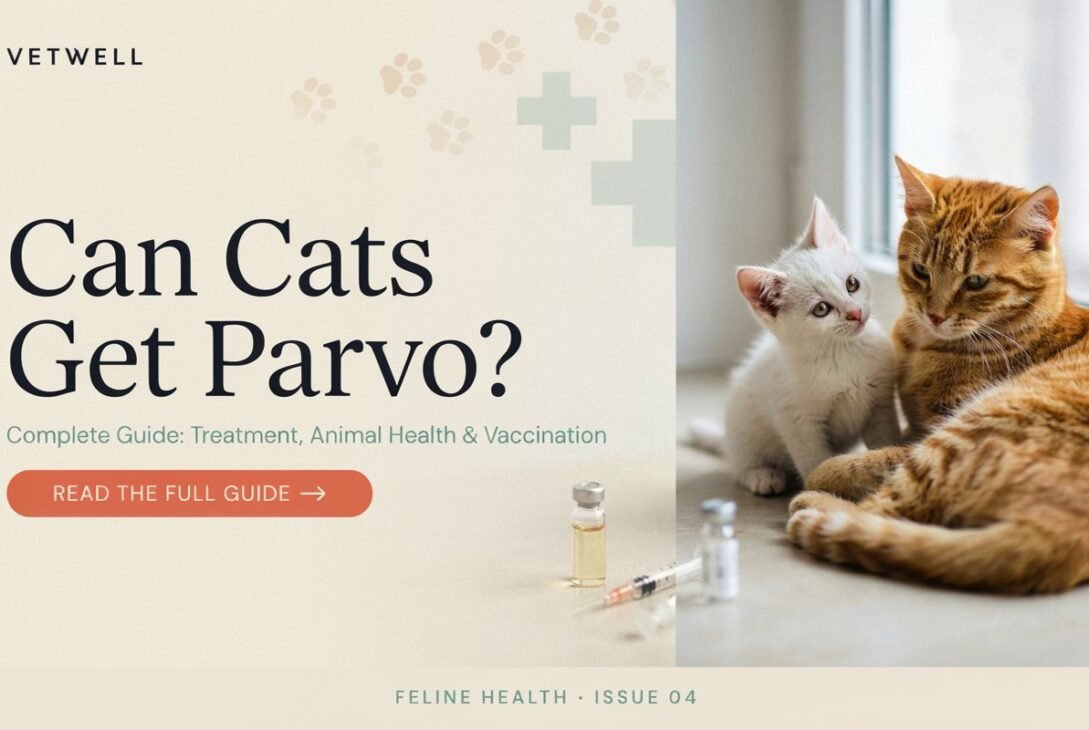
Say the word “parvo” out loud, and most people picture a sick puppy—not a cat. It’s a fair assumption—parvovirus is one of the most talked-about canine diseases. But here’s the question that brings most people to this page: can cats get parvo too?
Technically, yes. But the story behind that “yes” isn’t what most cat owners assume. Cats have their own version of parvovirus, and understanding the difference could save your cat’s life.
This guide breaks down everything you need to know—symptoms, transmission, treatment, and how to protect your cat through vaccination.
What Is Parvo in Cats?
Feline parvovirus is more commonly known as feline panleukopenia virus (FPV), though many pet owners still call it “cat parvo” because it belongs to the same viral family as canine parvovirus.
Here’s the quick definition:
Feline panleukopenia is a highly contagious viral disease that attacks rapidly dividing cells in a cat’s body, especially in the intestines, bone marrow, and lymph tissue. It’s sometimes called “feline distemper,” though it’s unrelated to actual distemper viruses.
So while cats don’t technically catch the exact same virus that infects dogs, they get a closely related disease with strikingly similar symptoms—severe vomiting, diarrhea, dehydration, and dangerously low white blood cell counts.
Is Feline Panleukopenia the Same as Dog Parvo?
Not exactly. Canine parvovirus (CPV) and feline panleukopenia virus (FPV) are cousins, not identical twins. They’re both parvoviruses, which explains the symptom overlap, but they’re distinct strains that primarily affect their respective species.
That said, there’s an important nuance: some strains of canine parvovirus have mutated over the years and gained the ability to infect cats. So in rare cases, a cat can technically be infected by a dog-associated parvovirus strain. This is why vaccination remains critical regardless of which pets share your home.
How Contagious Is Feline Parvo?
Extremely. This is one of the most important facts every cat owner should understand.
Feline panleukopenia spreads through:
- Close contact with bodily fluids from a sick cat—think saliva, vomit, or feces
- Contaminated feces
- Shared litter boxes, food bowls, or bedding
-
Flea bites, if the flea recently fed on an infected animal
- Contaminated surfaces, shoes, or clothing
The virus is notoriously hardy. It can survive in the environment for up to a year, resisting many household disinfectants. This means a cat can contract the virus simply by walking where an infected animal once sat—without ever meeting that animal.
Kittens between 2 and 6 months old face the highest risk, along with unvaccinated cats of any age, shelter cats, and strays.
Symptoms of Parvo in Cats
Recognizing symptoms early dramatically improves survival odds. Watch for:
- Sudden lethargy or weakness
- Loss of appetite
- High fever, followed by a sudden drop in body temperature
- Vomiting (often severe)
- Diarrhea, sometimes bloody
- Dehydration
- Rough, unkempt coat
- Hiding behavior
- In pregnant cats, potential miscarriage or neurological issues in kittens
Why Panleukopenia Hits So Hard
The name “panleukopenia” literally means a severe drop in white blood cells. Since these cells are your cat’s frontline defense system, the virus essentially disables the immune system right when the body needs it most. That’s what makes this disease so deadly, particularly in kittens.
Without prompt veterinary care, mortality rates in unvaccinated kittens can exceed 90%.
How Vets Diagnose Feline Parvo
If you suspect your cat has parvo-like symptoms, don’t wait it out at home. Veterinarians typically diagnose feline panleukopenia through:
- A hands-on exam to assess dehydration levels, temperature, and abdominal discomfort
- Complete blood count (CBC) — looking for the telltale drop in white blood cells
- Fecal ELISA testing — the same type of rapid test used for canine parvo, often effective for feline strains too
- PCR testing — for more precise viral confirmation
Early diagnosis matters enormously. The sooner treatment starts, the better your cat’s chances.
Treatment Options for Feline Parvo
There’s no medication that kills the virus outright—recovery depends on the cat’s own immune response. Instead, treatment focuses on supportive care that helps the cat’s body fight off the infection while managing symptoms. A typical treatment plan includes:
Hospitalization and Fluid Therapy
Severe dehydration is often the biggest immediate threat. Vets administer fluids directly into the bloodstream to rehydrate the cat and correct electrolyte imbalances.
Anti-Nausea and Anti-Diarrheal Medication
These help reduce vomiting and diarrhea, easing discomfort and preventing further fluid loss.
Antibiotics
While antibiotics don’t kill viruses, they prevent secondary bacterial infections that often set in when the immune system is compromised.
Nutritional Support
Cats recovering from panleukopenia often need assisted feeding or appetite stimulants since prolonged appetite loss can lead to dangerous complications like hepatic lipidosis.
Blood or Plasma Transfusions
In severe cases, transfusions help boost white blood cell counts and provide antibodies to fight the infection.
Isolation Protocols
Infected cats must be kept away from other animals, and strict disinfection protocols (bleach solutions are effective against parvovirus) must be followed throughout treatment.
Recovery timeline: Cats that survive the first 5 days typically have a much better prognosis. Most cats need one to two weeks to fully bounce back, though this varies with severity.
Feline Parvo Vaccination: The Best Protection
Here’s the good news—feline panleukopenia is almost entirely preventable through vaccination.
The FPV vaccine is part of the FVRCP combo vaccine, which also protects against feline viral rhinotracheitis and calicivirus. It’s considered a core vaccine, meaning veterinary associations recommend it for every cat, regardless of lifestyle or indoor/outdoor status.
Standard Vaccination Schedule
- Kittens: A series of vaccines starting around 6–8 weeks old, with boosters every 3–4 weeks until 16 weeks of age
- Adult cats: A booster one year after the initial kitten series, then boosters every 1–3 years depending on your vet’s recommendation and local guidelines
Why Vaccination Timing Matters
Kittens receive some immunity from their mother’s milk, but this protection fades unpredictably between 6 and 16 weeks. That’s exactly why vets use a multi-dose schedule—to close the immunity gap as early as possible.
Skipping or delaying vaccines during this window is one of the most common reasons kittens end up hospitalized with panleukopenia.
Prevention Tips Beyond Vaccination
Vaccination is your strongest tool, but combine it with these habits for maximum protection:
- Keep new or unvaccinated cats isolated for at least two weeks
- Disinfect surfaces with a bleach-based cleaner (diluted 1:32) after any exposure
- Avoid introducing unvaccinated kittens to shelters, boarding facilities, or multi-cat households
- Change clothes and wash hands thoroughly after contact with strange cats
- Keep litter boxes, bowls, and bedding regularly sanitized
Can Humans or Dogs Catch Feline Parvo?
No. Feline panleukopenia is species-specific and does not infect humans or dogs under normal circumstances. However, as mentioned earlier, certain canine parvovirus strains have shown the ability to cross over into cats, so keeping all household pets vaccinated is still the safest approach.
Frequently Asked Questions
1. Can indoor cats get parvo?
Yes. Because the virus survives on surfaces, clothing, and shoes, even strictly indoor cats can be exposed if the virus is tracked into the home.
2. How long does feline parvo last?
Symptoms typically last 5–7 days in cats that survive the initial phase, with full recovery taking one to two weeks.
3. What is the survival rate of feline panleukopenia?
With early veterinary treatment, survival rates can exceed 50–70%. Without treatment, especially in kittens, mortality is very high.
4. Can a vaccinated cat still get parvo?
It’s rare but not impossible, especially if the vaccine schedule wasn’t completed or the cat was exposed before immunity fully developed.
5. Is feline parvo the same as dog parvo?
No. They’re related viruses from the same family but are typically species-specific, with feline panleukopenia being the correct term for the cat version.
6. How do I disinfect my home after a parvo case?
Use a bleach solution diluted at 1 part bleach to 32 parts water on all hard surfaces, and wash fabrics on the hottest safe setting.
7. At what age are kittens most at risk?
Kittens between 2 and 6 months are the most vulnerable, particularly during gaps in their vaccination schedule.
Final Thoughts
So, can cats get parvo? Yes—through feline panleukopenia, a serious but largely preventable disease. The virus is aggressive, highly contagious, and especially dangerous for kittens and unvaccinated cats. But with a proper vaccination schedule, prompt veterinary care, and good hygiene practices, most cats can be fully protected.
If you ever notice sudden lethargy, vomiting, or diarrhea in your cat—especially a kitten—don’t wait. Early veterinary intervention is the single biggest factor in survival. When in doubt, talk to your vet about your cat’s vaccination status and get ahead of the risk before symptoms ever appear