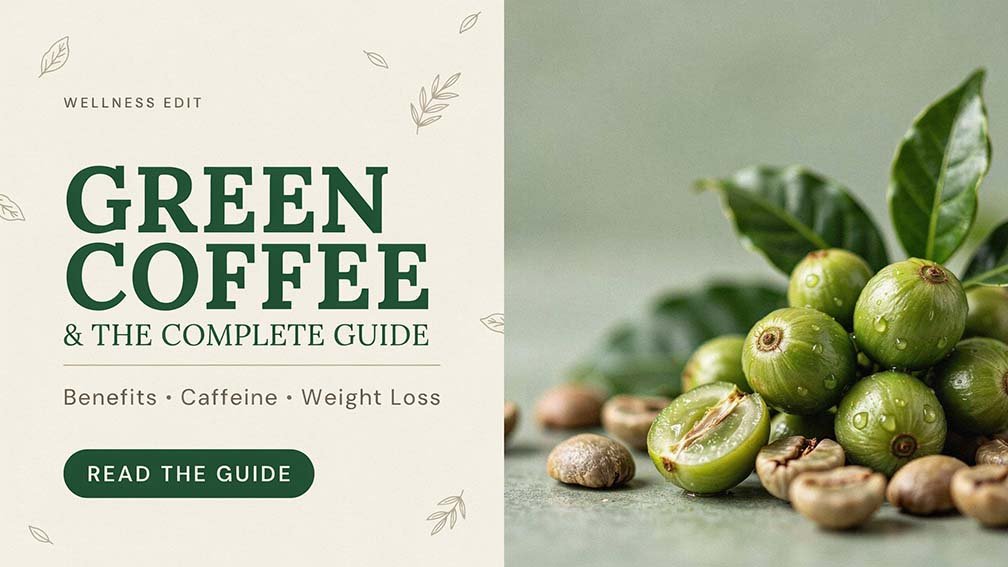
Coffee lovers and health-conscious buyers keep asking the same question: what makes green coffee different from the roasted coffee sitting in your kitchen cabinet? The answer lies in a single step that never happens — roasting. That missing step changes everything, from the flavor to the nutrient profile to the way your body processes caffeine.
This guide breaks down everything you need to know about green coffee, including its benefits, caffeine content, weight loss claims, and buying options like wholesale green coffee beans and raw coffee beans for sale.
What Is Green Coffee?
Green coffee is made from coffee beans that remain raw and unroasted, preserving their natural compounds. These are the seeds harvested directly from the coffee cherry, then washed, dried, and processed — but never exposed to the roasting temperatures that give regular coffee its dark color and deep aroma.
Because they skip roasting, green coffee beans retain a compound called chlorogenic acid at much higher levels than roasted beans. This antioxidant compound is the main reason green coffee has become popular in supplements, extracts, and specialty beverages over the past decade.
Visually, green coffee beans look pale green or yellowish, with a firm, dense texture. Their taste is grassy and slightly bitter — nothing like the rich, roasted flavor most people associate with coffee.
Green Coffee vs Regular Coffee: Key Differences
| Feature | Green Coffee | Roasted Coffee |
|---|---|---|
| Color | Pale green/yellow | Brown to dark brown |
| Chlorogenic acid | High | Reduced by 50% or more |
| Flavor | Grassy, mild bitterness | Rich, roasted, aromatic |
| Caffeine | Slightly lower per bean | Slightly higher per bean |
| Common use | Extracts, supplements, home roasting | Brewed beverages |
Why People Search for Green Coffee Beans
Most buyers fall into one of three groups:
- Home roasters who want raw coffee beans for sale so they can control the roast profile themselves.
- Supplement users interested in green coffee extract for its antioxidant content.
- Bulk buyers and cafes looking for wholesale green coffee beans to roast in-house or resell.
Each group has different priorities, so let’s cover them one at a time.
Green Coffee Beans for Home Roasting
If you’ve ever wanted full control over your coffee’s flavor, buying raw green coffee beans is the starting point. Home roasting lets you decide exactly how light or dark you want your final cup, and many enthusiasts say it produces fresher, more flavorful coffee than pre-roasted bags that have been sitting on a shelf for weeks.
A few practical tips if you’re trying this for the first time:
- Start with a small batch (100–200 grams) until you understand your roaster or pan.
- Light roasts preserve more acidity and origin flavor; dark roasts bring out bitterness and body.
- Store unroasted beans in a cool, dry place — they last far longer than roasted beans, often over a year.
- Let roasted beans rest for 24–48 hours before brewing to let carbon dioxide escape.
Buying raw coffee beans for sale from a reputable supplier matters here. Bean quality, moisture content, and origin all affect your roasting results, so it’s worth checking harvest dates and storage conditions before purchasing.
Wholesale Green Coffee Beans: What Buyers Should Know
Cafes, roasteries, and retailers often buy wholesale green coffee beans directly from importers or farms to cut costs and control quality from the source. If you’re considering wholesale purchasing, keep these factors in mind:
1. Origin and Altitude
Beans grown at higher altitudes generally develop more complex flavors due to slower maturation. Common origins include Ethiopia, Colombia, Brazil, and Vietnam, each offering distinct taste profiles.
2. Processing Method
- Washed process – cleaner, brighter acidity
- Natural process – fruitier, heavier body
- Honey process – balance between the two
3. Grading and Screen Size
Beans are typically graded by size and defect count. Higher grades mean fewer broken or damaged beans, which translates to more consistent roasting.
4. Storage Requirements
Green coffee should be stored in breathable, moisture-controlled bags (like GrainPro or jute) away from direct sunlight and humidity to preserve quality until roasting.
Buying wholesale is cost-effective for anyone roasting regularly, but it requires proper storage space and some knowledge of bean handling.
Green Coffee Extract: Uses and Benefits
Green coffee extract is a concentrated form derived from unroasted beans, standardized for chlorogenic acid content. It is widely available in several forms, including capsules, powdered blends, and liquid extracts.
Reported Benefits of Green Coffee Extract
Research on green coffee extract has explored several potential effects, though results vary and more large-scale studies are still needed:
- Antioxidant support – Chlorogenic acid helps neutralize free radicals in the body.
- Blood sugar regulation – Some studies suggest it may modestly influence how the body absorbs glucose after meals.
- Metabolic support – It’s been studied for its possible role in fat metabolism.
- Blood pressure – A few smaller studies have noted mild reductions in blood pressure with regular use.
It’s important to be realistic: green coffee extract is not a miracle solution, and results differ from person to person. Anyone considering supplementation, especially those with existing health conditions or who are pregnant, should talk to a healthcare provider first.
Green Coffee and Weight Loss: Separating Fact from Hype
This is probably the most searched topic connected to green coffee, so let’s address it directly and honestly.
What the Research Actually Shows
Green coffee extract gained massive popularity after being featured on television as a “weight loss breakthrough.” However, the scientific reality is more measured. Several small studies observed modest weight reduction in participants taking green coffee extract compared to a placebo, largely attributed to chlorogenic acid’s potential effect on carbohydrate metabolism and fat absorption.
That said:
- Most studies were short-term and involved small sample sizes.
- Results were often modest — a few pounds over several weeks, not dramatic transformations.
- Diet and exercise remained the biggest factors in actual weight loss outcomes.
A Realistic Way to Think About It
Green coffee extract may offer a small supportive boost when combined with a balanced diet and regular physical activity. It is not a replacement for healthy habits, and any product promising rapid or guaranteed weight loss should be approached with skepticism.
If you’re exploring it for weight management, look for:
- Products with clearly labeled chlorogenic acid percentage
- Third-party lab testing or certification
- Transparent sourcing information
Green Coffee and Caffeine: How Much Is in It?
Many people assume green coffee has little to no caffeine since it isn’t roasted — but that’s a common misconception.
Green coffee beans contain caffeine naturally, similar to roasted beans, though slightly lower per gram because roasting slightly concentrates certain compounds by removing moisture. On average:
- A cup of green coffee (brewed from raw beans) contains roughly 20–50 mg of caffeine, depending on preparation.
- A standard cup of roasted coffee contains around 80–100 mg.
- Green coffee extract capsules vary widely, so checking the label is essential.
If you’re sensitive to caffeine, green coffee still counts as a caffeinated product and should be consumed with the same caution as regular coffee, especially later in the day.
How to Choose Quality Green Coffee Beans
Whether you’re buying for personal roasting or business use, quality matters. Here’s what to check:
- Moisture content – Ideally between 10–12% for proper storage and roasting.
- Bean uniformity – Consistent size roasts more evenly.
- Defect count – Fewer broken, insect-damaged, or discolored beans means higher quality.
- Harvest date – Fresher green coffee produces better roasting results.
- Supplier transparency – Reputable sellers disclose origin, processing method, and testing details.
Brewing Green Coffee at Home (Yes, You Can)
Some people brew green coffee directly without roasting, mainly for its mild, herbal taste and antioxidant content rather than traditional coffee flavor.
Simple method:
- Lightly crush raw green coffee beans.
- Add 1–2 teaspoons to hot, just-below-boiling water and let it steep for about 8–10 minutes
- Strain and drink.
The result tastes closer to an herbal tea than coffee, so don’t expect the familiar roasted aroma.
Frequently Asked Questions
1. What is green coffee exactly?
Green coffee is unroasted coffee beans in their raw, natural state, retaining higher levels of chlorogenic acid compared to roasted coffee.
2. Does green coffee have more caffeine than regular coffee?
No. Green coffee typically has slightly less caffeine per serving than roasted coffee, though it still contains a meaningful amount.
3. Can green coffee really help with weight loss?
It may provide limited weight-management support alongside a balanced diet and regular exercise, but it should not be viewed as a guaranteed or independent solution for losing weight
4. Is it safe to drink green coffee every day?
For most healthy adults, consuming it in moderate amounts is generally considered safe. However, anyone with health conditions, pregnancy, or caffeine sensitivity should consult a doctor first.
5. Where can I buy raw coffee beans for sale?
Raw coffee beans are available through specialty coffee suppliers, importers, and online wholesale platforms that focus on unroasted, green coffee products.
6. What’s the difference between green coffee beans and green coffee extract?
Green coffee beans are the whole raw seed, while green coffee extract is a concentrated, processed form typically used in supplements.
7. Is wholesale green coffee cheaper than buying roasted coffee?
Generally yes, since you’re buying the raw product before processing costs like roasting and packaging are added.
Conclusion
Green coffee is simply coffee in its most natural, unroasted state — but that single difference opens up a range of uses, from home roasting and wholesale sourcing to supplements and extracts. It offers genuine antioxidant benefits through chlorogenic acid, contains real (though moderate) caffeine, and may provide mild support for weight management as part of a balanced lifestyle. Like any health product, it works best with realistic expectations, quality sourcing, and professional guidance when needed