Black walnut hull is one of those old-fashioned natural remedies that keeps resurfacing in herbal medicine circles, health food stores, and supplement aisles. If you’ve come across it and wondered what it actually is, whether it works, or if it’s safe to try, you’re not alone. This guide breaks down everything worth knowing — in plain language, without the exaggerated claims you often find online.
What Is Black Walnut Hull?
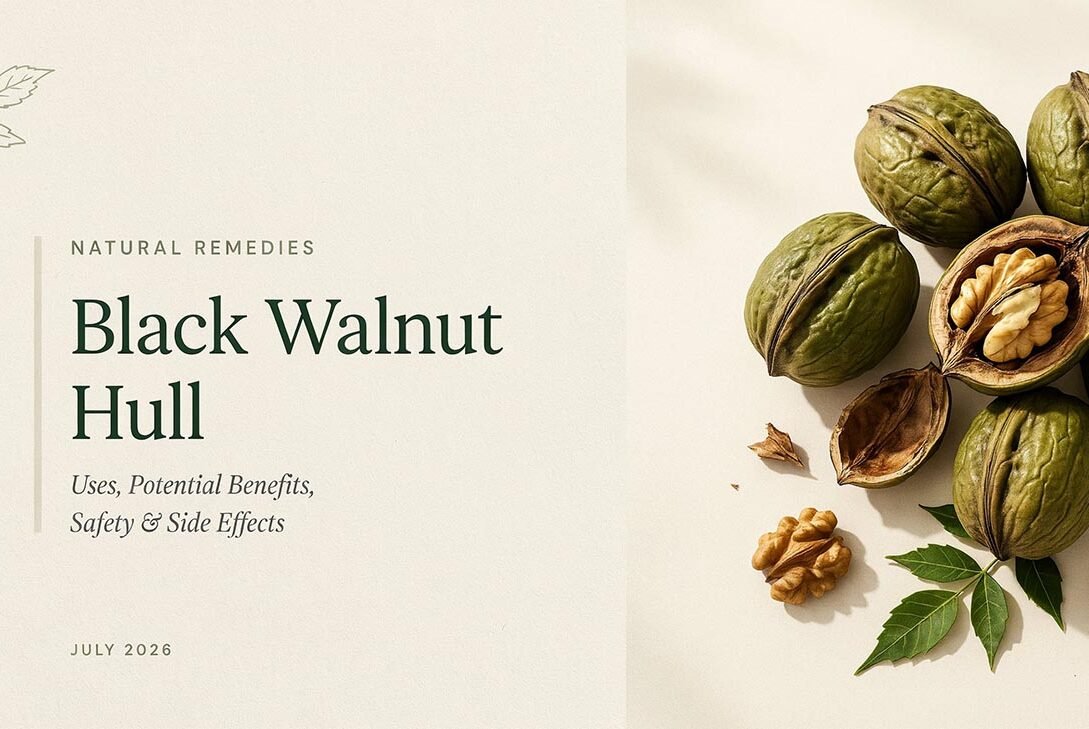
The thick, green husk wrapped around a black walnut’s shell — that’s what people mean by black walnut hull. It comes from Juglans nigra, a walnut tree species native to North America. This is different from the walnut you eat. The hull is the fleshy, fibrous layer between the outer skin and the hard inner shell that protects the nut itself.
Once the hulls are removed from freshly harvested walnuts, they turn dark and release a strong, earthy odor. Historically, Native American communities and early settlers used these hulls for dyeing fabric, treating skin issues, and supporting digestive health. That single line of traditional use is why herbalists still reach for black walnut hull today.
In short: Black walnut hull is the outer green-to-black husk of the black walnut, traditionally used in herbal remedies, natural dyes, and skin-care preparations.
What Does Black Walnut Hull Contain?
Nature packed a surprising amount of activity into this husk. Here’s what black walnut hull is known to contain.
- Juglone – a plant compound with antimicrobial and staining properties
- Tannins – known for astringent effects
- Iodine – present in trace amounts
- Flavonoids and polyphenols – plant antioxidants
- Vitamin C – found in smaller quantities
Juglone is the compound most researchers focus on. It’s responsible for the hull’s deep brown-black stain and is also why black walnut trees are known to inhibit the growth of certain plants nearby — a phenomenon gardeners often deal with when planting near walnut trees.
Common Uses of Black Walnut Hull
1. Traditional Digestive Support
Herbalists have long used black walnut hull as part of natural approaches to intestinal health. It’s sometimes included in “parasite cleanse” formulas alongside wormwood and cloves. It’s important to note, though, that scientific evidence for this specific use in humans is limited, and it should never replace medical treatment for a diagnosed parasitic infection.
2. Skin Applications
Because of its astringent and antimicrobial properties, black walnut hull extract is sometimes used topically for:
- Minor skin irritations
- Ringworm-prone areas (as a supportive, not primary, treatment)
- Oily skin toning
People with sensitive skin should always patch-test before wider use, since the hull’s natural compounds can cause irritation in some individuals.
3. Natural Dye and Staining Agent
This is one of the most well-documented and widely accepted uses. Black walnut hulls produce a rich brown-to-black dye that’s been used for centuries to color wool, cotton, and even hair. Woodworkers also use walnut hull extract as a natural wood stain.
4. Oral and Gum Health
Some natural toothpaste and mouthwash products include black walnut hull extract for its tannin content, which may help with mild astringent action in the mouth. As with other uses, this is traditional rather than clinically proven.
5. Herbal Supplements
Black walnut hull is available in tincture, capsule, and powder form. It’s frequently combined with other herbs in digestive and detox-focused supplement blends sold in health stores.
Potential Benefits of Black Walnut Hull
While large-scale clinical trials on black walnut hull specifically are limited, here’s what current understanding — based on its chemical makeup and traditional use — suggests:
- Antioxidant support – The polyphenols in black walnut hull may help neutralize free radicals, working much like the antioxidants found in other plant-based sources.
- Antimicrobial properties – Juglone has demonstrated antibacterial and antifungal activity in laboratory studies.
- Astringent effects – Tannins can have a tightening, drying effect useful for minor topical applications.
- Traditional digestive use – Long-standing folk use for gut health, though modern research is still catching up.
It’s worth being upfront here: much of the enthusiasm around black walnut hull comes from traditional and anecdotal use rather than robust human clinical trials. That doesn’t mean it’s ineffective — it means the science is still developing, and claims should be viewed with reasonable caution.
How Is Black Walnut Hull Used?
| Form | Common Use |
|---|---|
| Tincture (liquid extract) | Most common supplement form, taken orally in small diluted doses |
| Capsules | Standardized dosing for digestive or antioxidant support |
| Powder | Used in DIY skin treatments or dye-making |
| Whole dried hulls | Used for natural dyeing and staining |
If you’re considering a supplement, always follow the dosage on the product label and consult a healthcare provider first — especially since standardization varies widely between brands.
Safety and Side Effects
Black walnut hull isn’t automatically safe just because it’s natural. A few important safety points:
Possible Side Effects
- Digestive upset – nausea, stomach discomfort, or diarrhea, especially at higher doses
- Skin irritation – redness or rash with topical use, particularly for sensitive skin
- Allergic reactions – anyone with a tree nut allergy should steer clear of black walnut hull, since cross-reactivity is a real risk Steering clear entirely is the safer call, since cross-reactivity with tree nuts is a genuine possibility
- Iodine sensitivity – the trace iodine content may be a concern for people with thyroid conditions
Who Should Avoid It
- Pregnant or breastfeeding individuals — safety data here just isn’t solid enough yet to recommend it
- People with known nut allergies
- Anyone on blood-thinning medication, since tannins may interact with certain drugs
- Children, unless specifically guided by a healthcare provider
Drug Interactions
Because black walnut hull can affect digestion and has mild antimicrobial activity, it may interact with medications processed through the liver or gut. If you’re on prescription medication, talk to a doctor or pharmacist before adding it to your routine.
Black Walnut Hull vs. Black Walnut (the Nut)
People often confuse the hull with the walnut itself. Here’s the difference:
- Black walnut (nut) – The edible kernel, rich in healthy fats, protein, and omega-3s. Commonly eaten as a snack or baking ingredient.
- Black walnut hull – The outer husk, not eaten directly. Used medicinally, topically, and for dyeing — not as a food source.
Confusing the two matters because dosing, safety, and use cases are completely different.
How to Choose a Quality Black Walnut Hull Product
If you’re shopping for a supplement, keep these tips in mind:
- Look for third-party testing — ensures purity and accurate labeling
- Check the extraction method — alcohol-based tinctures tend to preserve more active compounds
- Steer clear of vague labeling — trustworthy brands are upfront about concentration levels and where their walnut hulls come from
- Buy from established herbal brands — rather than unverified online sellers
Frequently Asked Questions
1. What is black walnut hull used for?
It’s traditionally used for digestive support, skin applications, natural dyeing, and as an ingredient in herbal supplements. Its antimicrobial and astringent properties are the main reasons it’s included in these products.
2. Is black walnut hull safe to take daily?
Not without medical guidance. While short-term use in recommended doses is generally tolerated by most healthy adults, daily long-term use hasn’t been well studied, so it’s best to consult a healthcare provider.
3. Can black walnut hull kill parasites?
It has shown antimicrobial activity in lab settings, and it’s traditionally used in folk parasite cleanses. However, there isn’t strong clinical evidence proving it treats parasitic infections in humans, so it should never replace proper medical diagnosis and treatment.
4. Does black walnut hull stain skin or fabric permanently?
Yes, it’s a very effective natural dye. On skin, the stain usually fades within a few days to a week. On fabric, it can be long-lasting, which is why it’s popular among natural dye enthusiasts.
5. Can people with nut allergies use black walnut hull?
No. Even though the hull isn’t the edible part, cross-reactivity with tree nut allergies is possible, and it should be avoided by anyone with a known walnut or tree nut allergy.
6. What’s the difference between black walnut hull and English walnut?
Black walnut (Juglans nigra) and English walnut (Juglans regia) are different species. Black walnut hulls are specifically used for herbal and dye purposes, while English walnuts are more commonly grown for eating.
7. Is black walnut hull FDA-approved for medicinal use?
No. Like most herbal supplements, black walnut hull is not FDA-approved to treat, cure, or prevent any disease. It’s sold as a dietary supplement, and claims about its effects are based on traditional use and limited research, not regulatory approval.
Conclusion
Black walnut hull is a genuinely interesting botanical with a long history in traditional medicine, natural dyeing, and skin care. Its antimicrobial, astringent, and antioxidant properties make it a popular ingredient in herbal supplements, but it’s not a proven cure-all, and scientific research is still catching up to the traditional claims surrounding it. If you’re considering trying it — whether as a tincture, topical application, or natural dye — start with a small amount, watch for any allergic reaction, and check with a healthcare professional first, especially if you’re pregnant, on medication, or have a nut allergy. Used thoughtfully, black walnut hull can be a useful addition to a natural wellness routine, but it works best as a complement to good health practices, not a replacement for medical care.