
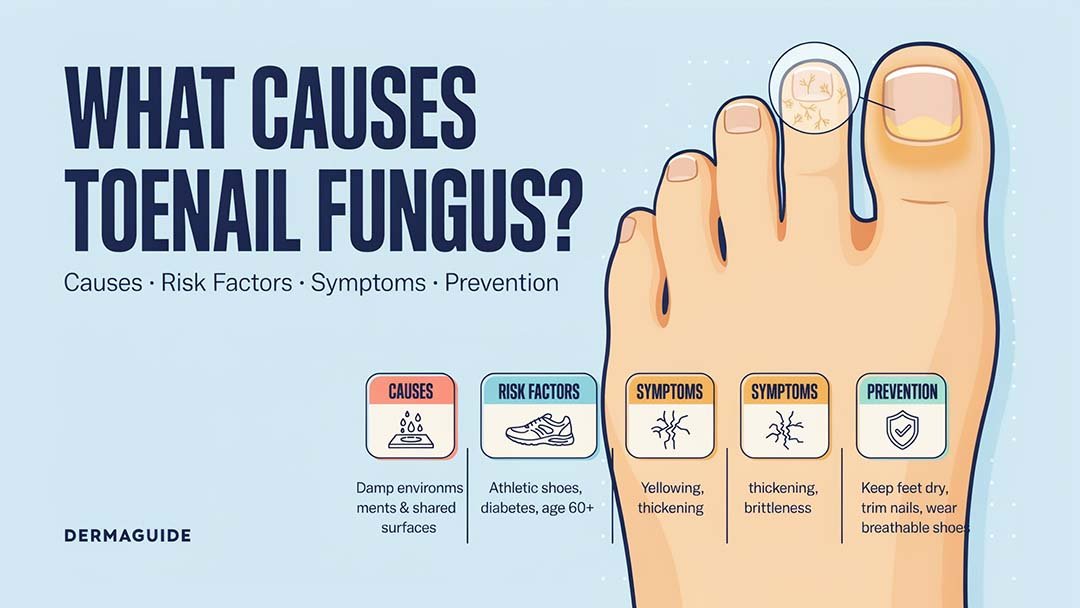
A common problem is toenail fungus that can cause a toenail to get yellow, thick or malformed or become brittle. But what causes toenail fungus, and why is it easier to get for some than others? The biggest culprit is an excess of microscopic fungus that thrives in warm, damp environments. You can get a little bit by walking barefoot in the community shower, or by leaving your sweaty shoes on for hours.
Understanding how these ailments begin might help you identify warning symptoms early and take practical steps to protect your feet.
What Is Toenail Fungus?
Dermatophytes, a genus of fungi, are the most common cause of toenail fungus. Other fungi, such as yeast and mold, can also cause nail infections.
These animals devour keratin, a stiff protein found in nails, hair and the outer layer of skin. If they find a good environment for their growth, fungi can slowly enter the nail and multiply.
So what is that climate conducive to?
This is usually a combination of dampness, warmth, restricted air circulation and small gaps around the nail or the surrounding skin. Imagine a pair of wet shoes as a little greenhouse. If you have fungal spores, such warm and humid circumstances can offer them a chance to proliferate.
You don’t have to have bad hygiene to get a fungal infection. It can happen to anybody, including those who wash their feet regularly. Factors include exposure, foot structure, skin problems, footwear and certain health factors.
How Fungi Infect the Toenail
A healthy nail normally provides a strong barrier against infection. However, fungi can take advantage of small cracks or spaces around the nail.
The infection may begin at the edge or underneath the nail. Over time, the fungus can move deeper into the nail structure.
Several steps can contribute to infection:
- Exposure to fungal organisms: Fungal spores can be found on floors, towels, shoes and other surfaces.
Entry through small breaks: A little injury or a split between the nail and the nail bed may result in an opening.
Dampness and heat: Damp conditions foster fungus development.
Slow nail growth: Toenails develop slowly, thus an infection can go undiagnosed for a long period.
Repeated contact: You can give the fungus chances to linger if you wear moist shoes or repeatedly go to infected areas.
Since toenails grow slowly, it takes time for a fungal infection to develop. You may not notice anything peculiar until the nail gets clearly discolored or thick
Common Places Where Toenail Fungus Spreads
Fungi can survive in warm, moist environments and may spread through contact with contaminated surfaces.
Common sources include:
- Public showers
- Locker rooms
- Swimming pool areas
- Shared bathrooms
- Gyms
- Nail salons
- Communal changing areas
- Shared towels
- Shoes worn by someone with a fungal infection
Walking barefoot may increase exposure in some locations. So does this indicate that if you walk into a public shower you’re going to acquire toenail fungus? How much infection you get depends on all sorts of things like the health of your feet and how long the surroundings is wet.
Sharing shoes can be a problem, too. Fungi thrive in the closed environment that shoes create, trapping sweat.
“Wearing someone else’s shoes can increase your exposure, especially if the shoes have been worn by someone with athlete’s foot or a fungal nail infection, or are wet,” he said.
Hazards of warm and moist feet
Fungi like warm, damp places. Your feet naturally produce these conditions, because they are in socks and shoes most of the day.
If your feet sweat a lot, moisture could be trapped against your skin and nails. Wearing shoes that are poorly ventilated can make the problem worse.
Certain conditions can increase moisture around the feet:
- Excessive sweating
- Tight shoes
- Non-breathable footwear
- Wearing the same shoes every day
- Keeping damp socks on for long periods
- Not drying between the toes after bathing
This is why foot care is more than just bathing your feet. Drying is just as critical.
After a bath, carefully dry the entire foot, including the areas between toes. Other measures to lessen the circumstances fungus like include changing damp socks and drying shoes entirely.
Athlete’s Foot and Its Relationship with Toenail Fungus
A key connection to comprehend is between athlete’s foot and toenail fungus.
Athlete’s foot is a fungal skin infection. It usually occurs between the toes. It may itch, flake, red, burn or peel.
Sometimes, if it’s not treated, fungi might migrate from the surrounding skin into the toenail.
This means that a person may first detect itching or peeling skin and then have alterations in one or more toenails.
Thus, treating athlete’s foot early can be an important way to protect the nails.
You can have both conditions at the same time as well. If you keep getting athlete’s foot, it’s important keeping an eye on your toenails
Who Is More Likely to Develop a Fungal Nail Infection?
Toenail fungus can affect anyone, although some people are more likely to develop it.
One key is age. As we become older toenails grow slower. Older fingernails may also become thicker and more susceptible to minor injuries.
Other risk factors are:
- Poor circulation. Lower blood flow to the feet might make infections more difficult to clear.
A weaker immune system may make it harder for the body to control fungal infections.
Diabetes – Changes in blood flow, nerve function and immunological response may make you more susceptible to foot problems.
Nail injuries Damaged nails are access points for fungus.
Athlete’s foot, recurrent: Fungal skin infections can extend to the nails.
Excessive sweating: Moist feet create a breeding ground for fungal growth.
Some shoes: Tight or poorly ventilated shoes can trap heat and moisture.
Family history: A family member may be more prone to getting fungal nail infections.
Regular use of shared spaces: Frequent use of public baths, pools and locker rooms can increase exposure.
Having one or more of these risk factors won’t indicate you will 100% acquire toenail fungus. It only means prevention can be especially crucial.
Everyday Habits That Can Encourage Fungal Growth
Sometimes even the most mundane of daily activities unknowingly create the ideal conditions for fungus.
For instance, what about wearing the same soggy shoes every morning. Your feet heat up the inside of the shoes, and sweat provides more moisture. After a few hours the enclosed room can become an ideal home for fungi.
Potential risk increasing easy habits include:
Walking in Wet Socks
Socks that stay wet from sweat help keep the skin and nails moist. It helps to change your socks when they get damp.
Wearing The Same Shoes Everyday
Shoes take longer to dry. Rotating shoes allows each pair more time to dry out.
Moisturizing Feet After a Shower
Water caught between the toes might cause long-term dampness. After your bath, dry your feet well.
Walking Barefoot in Communal Areas
Fungal organisms can be present on moist flooring shared with others.
Shoes Sharing
Fungi can be transferred from one person to another via shoes, socks or towels.
Athlete’s Foot: Ignore It
Chronic cutaneous fungal infections may predispose to nail involvement.
These habits are not automatic causes of infection, but eliminating them can lessen the chances of fungal gr
Signs and Symptoms of Toenail Fungus
Knowing the early signs can help you decide when to seek advice.
Common symptoms include:
- Yellow, white, or brown discoloration
- A nail becoming thicker than usual
- Brittle or crumbly nail edges
- Changes in nail shape
- Debris collecting underneath the nail
- Separation of the nail from the nail bed
- A dull or rough nail surface
- Unpleasant odor in some cases
- Discomfort or pain, especially when wearing shoes
Toenail fungus does not always affect every nail. It may begin with a single toenail and gradually involve others.
The appearance can also vary depending on the type of fungus and the part of the nail affected.
Importantly, not every discolored or thick toenail is caused by fungus. Trauma, psoriasis, certain skin conditions, and other nail disorders can produce similar changes.
Can Toenail Fungus Spread to Other Nails or People?
Yes. Toenail fungus can spread from one nail to another, especially if the condition is left untreated.
The infection can also spread to the skin around the nail . This can be a factor in athlete’s foot as well .
Fungal organisms can be transported from person to person by contaminated objects or surfaces, especially when moisture is present.
But simply touching an infected toenail doesn’t guaranty another person will become infected. The fungus normally needs the right conditions to become established.
To reduce transmission, avoid sharing:
- Socks
- Shoes
- Nail clippers
- Towels
- Foot files
If you have a fungal infection, keep your feet clean and dry and avoid walking barefoot in shared wet areas.
How Toenail Fungus Is Diagnosed
Toenail fungus may be clear to see, but appearance alone is not always enough to provide a correct diagnosis.
A healthcare provider may look at the nail and the skin around it. If the diagnosis is questionable, a little portion of the nail may be taken and examined.
Why is testing important?
Because there are many conditions that can mimic a fungal infection. If you deal with the wrong problem, you may squander time and enable the real condition to remain.
Repeated injury from tight footwear can cause nail discolouration or thickness, for example. Some skin diseases might also damage the nails.
Knowing the best treatment starts with a correct diagnosis.
Treatment Options for a Fungal Toenail
Your treatment depends on the extent of the infection, which nails are affected, and your overall health.
You may be offered topical or oral antifungal medication as a common treatment option.
Antifungal Agents, Topical
The drugs are put directly on the nail that is impacted. They can be used when the illness is somewhat limited
Because toenails grow slowly, topical therapy can take a long time to work. Consistency is key and quitting the treatment too early could diminish the success rate.
Antifungal medication by mouth
Some infections can be treated with antifungal medications prescribed by your doctor. These drugs can be more helpful for some nail infections as they get to the nail as it grows.
But oral antifungal medication isn’t right for everyone. The doctor will also consider any other drugs you take and your general health before ordering them.
Nail Care
Keeping the affected nail trimmed can make it easier to manage. Avoid aggressively digging underneath the nail or attempting to remove large portions yourself.
Do not rely on home remedies as a substitute for proper diagnosis and treatment. Some popular remedies have limited evidence and may irritate the surrounding skin.
How to Prevent Toenail Fungus
Prevention largely comes down to controlling moisture, limiting exposure, and protecting the nails.
Helpful habits include:
- Keep your feet clean and dry.
- Dry carefully between your toes.
- Change socks regularly.
- Choose breathable footwear when possible.
- Allow shoes to dry completely between uses.
- Wear protective footwear in public showers and locker rooms.
- Avoid sharing socks, shoes, towels, or nail tools.
- Keep toenails trimmed.
- Avoid picking or damaging the skin around your nails.
- Treat athlete’s foot promptly.
- Clean and properly maintain nail-care tools.
If you visit a nail salon, make sure appropriate hygiene and sterilization practices are followed.
Your toenails are a little like the roof of a house: when they are intact, they provide protection underneath. Repeated damage, moisture, and poor care can make that protective barrier easier for unwanted organisms to get past.
When Should You See a Doctor?
A mild nail change may not require an emergency appointment, but persistent or worsening symptoms deserve attention.
Consider seeing a healthcare professional if:
- The nail becomes increasingly thick or discolored.
- Several nails become affected.
- The infection keeps returning.
- You have significant pain.
- The skin around the nail becomes red or swollen.
- The nail begins separating from the nail bed.
- You have diabetes or circulation problems.
- You have a weakened immune system.
- Over-the-counter treatment does not improve the problem.
Do not ignore a persistent nail change simply because it is painless. Fungal infections can remain for a long time and may gradually become more difficult to manage.
A healthcare professional can determine whether fungus is actually responsible and recommend an appropriate treatment.
Questions & Answers
What is toenail fungus caused by?
Toenail fungus is typically the result of fungal organisms, particularly dermatophytes, invading or developing under the nail. You’re more likely to get the condition if: • Your feet are warm and moist • Your nails are broken • You have athlete’s foot • You share wet areas with other people • You have certain medical conditions
Can toenail fungus be caused by filthy feet?
Not all the time. Toenail fungus is caused by fungal organisms and it is more than merely unclean feet. Poor foot care, constant dampness and failure to dry the feet might generate conditions that promote fungal growth easier.
Can Toenail Fungus Resolve On Its Own?
A fungal nail infection can be untreated for a lengthy period of time. Toenails develop very slowly and even with the right therapy, infections can take months to heal. Any ongoing nail alterations should be checked out by a healthcare specialist.
Can I catch toenail fungus from a public swimming pool?
Yes, fungi can be found in areas like swimming pools, locker rooms and community showers, especially on moist surfaces. You can lower the risk by wearing protective shoes and keeping your feet dry.
How long does it take for toenail fungus to clear?
The treatment can take several months and the nail may have to grow out fully before it appears normal again. Toenails develop slowly therefore the diseased area of the nail is not eliminated quickly even after the fungus is treated.
Closing Remarks
Knowing what causes toenail fungus makes toenail fungus prevention a lot easier. Fungal organisms thrive when they find warmth, moisture and a way to get inside the nail. Public moist areas, sweaty feet, athlete’s foot, nail damage and several health issues might cause the problem.
The good news is that practical behaviors can cut your risk. Keep your feet dry, keep your feet dry in shared damp places, don’t share personal goods and watch for changes in your nails. If a nail is still thick, discolored, brittle or painful, getting an exact diagnosis is a prudent next step.