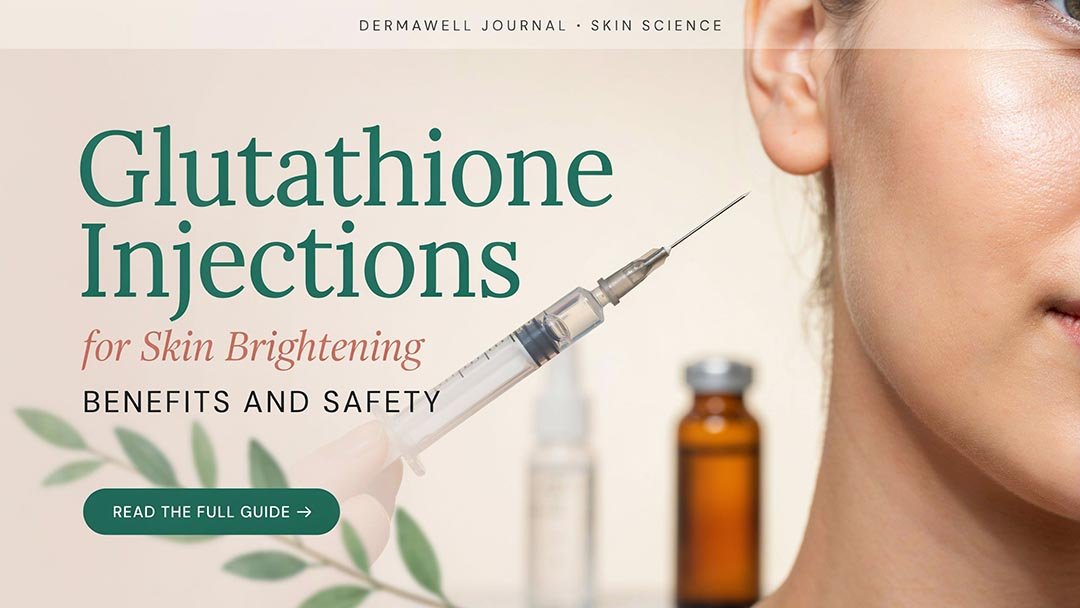
If you walk into pretty much any dermatology clinic or cosmetic center today in South Asia, the Middle East, or Southeast Asia, you’ll likely hear about one treatment more than any other: glutathione injections. The treatment has progressed from a niche medical therapy to a mainstream beauty fad aggressively marketed for skin lightening and even complexion. But how much of the hoopla is scientific, and how much is marketing?
This article will demystify what glutathione injections are, how they work, what the research says, and what you need to know before you consider them – in simple terms, without the hype.
What Is Glutathione?
Glutathione is an antioxidant the body makes naturally (mostly in the liver) to help protect cells from oxidative stress. It consists of three amino acids – glutamine, glycine and cysteine – and plays an important role in protecting cells from oxidative stress, boosting immunological function and helping the body eliminate toxic substances.
Glutathione is in every cell in your body. They tend to be higher in young, healthy people and falls with aging, bad food, prolonged stress, exposure to pollution, and some diseases. Beyond its role in detoxification, glutathione’s antioxidant properties have led researchers to study its effects on melanin formation and, therefore, its use as a skin-brightening agent.
What Are Glutathione Injections?
Glutathione injections deliver a synthetic or bio-identical version of glutathione directly into the body, usually through an intramuscular (IM) or intravenous (IV) method. Unlike oral glutathione supplements, which must pass through the digestive system and often lose efficacy because of poor absorption,
Glutathione injections bypass digestion and can deliver larger amounts directly into the bloodstream. This is why many who want to see changes in skin tone find glutathione IM injections work better than oral tablets.
Common Methods of Administration
- Intramuscular (IM) injection – administered into a muscle, typically the arm or thigh, often in a clinical or spa setting
- Intravenous (IV) infusion – delivered slowly through a vein, usually under medical supervision
- Subcutaneous injection – less common, injected under the skin
Each method has a different absorption rate, and the choice usually depends on the clinic’s protocol and the person’s health profile.
How Do Glutathione Injections Affect Skin Pigmentation?
This is often the part that creates the most attention and the most questions when considering the treatment. Glutathione is thought to influence skin-whitening injections by altering the type of melanin your body produces.
Humans make two forms of melanin in the skin:
- Eumelanin – a black-brown pigment that gives darker skin tones
Pheomelanin, a red-yellow pigment associated with lighter shades
Glutathione is believed to inhibit the enzyme tyrosinase, which is required for melanin synthesis. Glutathione may slowly lighten skin tone over time and reduce hyperpigmentation by lowering tyrosinase activity and encouraging the body to make more pheomelanin than eumelanin.
It’s important to know that changes in this process may develop. Nobody changes dramatically overnight. Most clinics say any obvious difference usually shows up only after several weeks of consistent treatment, not after one session.
Benefits of Glutathione Injection
People come to this procedure for many reasons beyond lightening skin tone. The most mentioned benefits of glutathione injection in clinical use and patient-reported outcomes are below:
- Even skin tone – may assist in lessening the appearance of dark patches, UV damage, and uneven pigmentation
Antioxidant support – helps neutralize the free radicals that cause premature aging
May support detox – glutathione is involved in the body’s natural detoxification mechanisms; therefore, it may benefit the liver in processing toxins
Improved Skin Texture — Some people report smoother, more vibrant-looking skin
Reduction in the appearance of acne scars – due to its involvement in cell healing, though evidence is currently limited here
Now, to be fair: not all of these benefits are backed by good large-scale clinical evidence. Some are based on minor research or anecdotal clinical experience, not strong, peer-reviewed, long-term experiments. “Anyone thinking about treatment needs to balance marketing claims with what is true.”
Glutathione Injection Dosage Per Day: What’s Typically Used?
The dose isn’t one-size-fits-all, as it can vary widely by region, clinic, and the individual’s health situation. That said, the common ranges reported in clinical and cosmetic settings are:
- Low-dose protocols: ~600 mg – 1200 mg per session, a couple of times a week
Higher-dose Protocols: Up to 2000 mg or more per session in some IV settings, but this is less typical and riskier
There is no FDA-approved worldwide standardized “glutathione injection dosage per day” for cosmetic skin lightening. In many nations, glutathione is regulated as a medicinal antioxidant or supportive therapy, not an approved skin-lightening agent. That’s a biggie: Dosing decisions should always be made by a registered medical professional, not a spa technician or unlicensed provider.
“Self-administration of glutathione or injections from unlicensed sources greatly increase the risk of infection, allergic reaction and incorrect dosing.
Is Glutathione Safe? Understanding the Risks
Safety is the most important concern here, and it demands honest treatment, not reassurance that glosses over it.
- Possible Side Effects
Allergic responses (eczema, itch, swelling)
Stomach cramps or feeling sick
Pain, redness, or infection at the injection location
Rare but serious: Stevens-Johnson syndrome (serious skin response) – rare reports with high-dose or unregulated use.
Potential renal stress from excessive unsupervised dosage
Some documented interference with thyroid function
Why Regulation Matters
Other health authorities, including in the Philippines and other African countries, have issued public cautions about unregulated glutathione injections for cosmetic whitening, especially when delivered outside approved medical institutions. The problem is not glutathione as a chemical (it is naturally found in the body), but:
- Product sourcing (not confirmed)
Non-sterile injection methods
Taking too much without the aid of a doctor
Lack of long-term safety data for cosmetic use in particular
If you’re considering this treatment, the best way to protect yourself is to see a qualified physician or board-certified dermatologist who will first take your health history.
Glutathione for Skin Whitening vs. Other Skin Brightening Methods
It helps to see how glutathione compares with other approaches people commonly use for a brighter, more even skin tone.
| Glutathione injections | Inhibits melanin-producing enzyme | Weeks to months | Yes, strongly recommended |
| Topical vitamin C serums | Antioxidant, brightens surface skin | Weeks | No |
| Chemical peels | Removes pigmented outer skin layers | Days to weeks | Often yes |
| Niacinamide creams | Reduces pigment transfer in skin cells | Weeks to months | No |
| Laser toning | Targets pigment with light energy | Weeks (multiple sessions) | Yes |
Glutathione is unique because it works systemically—from inside the body outward—rather than only treating the skin’s surface. This is part of its appeal, but it’s also why medical oversight matters more here than with a topical cream.
Who Should Avoid Glutathione Injections?
Certain groups should be especially cautious or avoid this treatment altogether unless specifically cleared by a doctor:
- Women who are pregnant or breastfeeding
People with kidney or liver illness.
Individuals with known allergy to sulfur-containing substances
People with asthma (some reports have associated asthma flare-ups with glutathione inhalation/injection)
People with thyroid issues, no medical clearance
What to Expect During Treatment
A typical glutathione injection session at a legitimate clinic might include:
- Medical history and consultation about skin objectives
A patch test or allergy screen in some instances
The injection itself: a few minutes for IM, more for IV drips
Watching for immediate reactions
A suggested schedule for follow-up, which can be weekly or bi-weekly
Results, when they come, mount up slowly. Most clinics suggest waiting 8 to 12 weeks to evaluate whether the treatment is effective for a particular client.
Frequently Asked Questions
1. How long do glutathione injections take to work?
Most people who notice change see visible differences after 4 to 8 weeks of regular sessions. Results do vary from person to person, dose to dose, and from one skin type to another, and not everyone will see the same amount of change.
2. Are glutathione shots for life?
No, glutathione skin tone alterations are usually not permanent. With continued sun exposure and if you stop treatment, results can slowly reverse, which is why some people pursue maintenance sessions.
3. Should I take glutathione via IM injection or by oral supplement?
Glutathione is injected directly into the bloodstream, bypassing digestion. This usually means more efficient IM or IV delivery for noticeable results, but it also carries more risk than oral supplements.
4. Are glutathione injections harmful if not done correctly?
Yes. The use of unsterile equipment, inappropriate dosing, and unregulated medicines has been related to infections, allergic reactions, and, on rare occasions, serious illness. Always select a licensed provider.
5. Skin whitening: Is glutathione being approved by health authorities?
Glutathione is approved as a supporting antioxidant therapy in several countries but not as a cosmetic skin-whitening medicine by major regulatory authorities. Regulations differ by country, so it’s worth checking local health authority guidance.
6. How to Safely Get Glutathione Injections?
The best thing you can do is to see a qualified dermatologist or physician who can evaluate your health, discuss realistic expectations, and offer therapy in a sterile, medically supervised atmosphere.
7. What are the long-term adverse effects of glutathione injections?
There is also a lack of long-term data on cosmetic use. This is one of the most significant gaps in current research. And it’s a good reason to proceed cautiously with treatment and under medical supervision.
Concluding Thoughts
Glutathione injections are gaining real interest for their potential to support a brighter, more even skin tone by affecting melanin production from within the body. Its antioxidant role has tangible, established benefits, and many report noticeable improvements over time.
At the same time, this is hardly a risk-free shortcut to beauty. Dosing criteria still vary widely by location. Long-term safety data is still being developed. The unregulated administration has caused genuine injury in reported cases. If you’re considering this therapy, the smartest first step isn’t to book an appointment—it’s to talk to a registered medical professional who can walk you through whether it suits your skin, your health history, and your goals.
Visited 14 times, 1 visit(s) today