You likely belong to one of several groups if you’ve searched “lymphatic massage near me” on Google. Possibly after the procedure, your doctor brought it up. Swelling of the legs or arms may persist for a long time. A spa menu might have piqued your interest, too.
Whatever has led you here, finding an expert who knows what they’re doing is the end goal. Learn more about the treatment, its limitations, and how to find a good doctor in your area by reading this article
A Lymphatic Drainage Massage: What Is It?
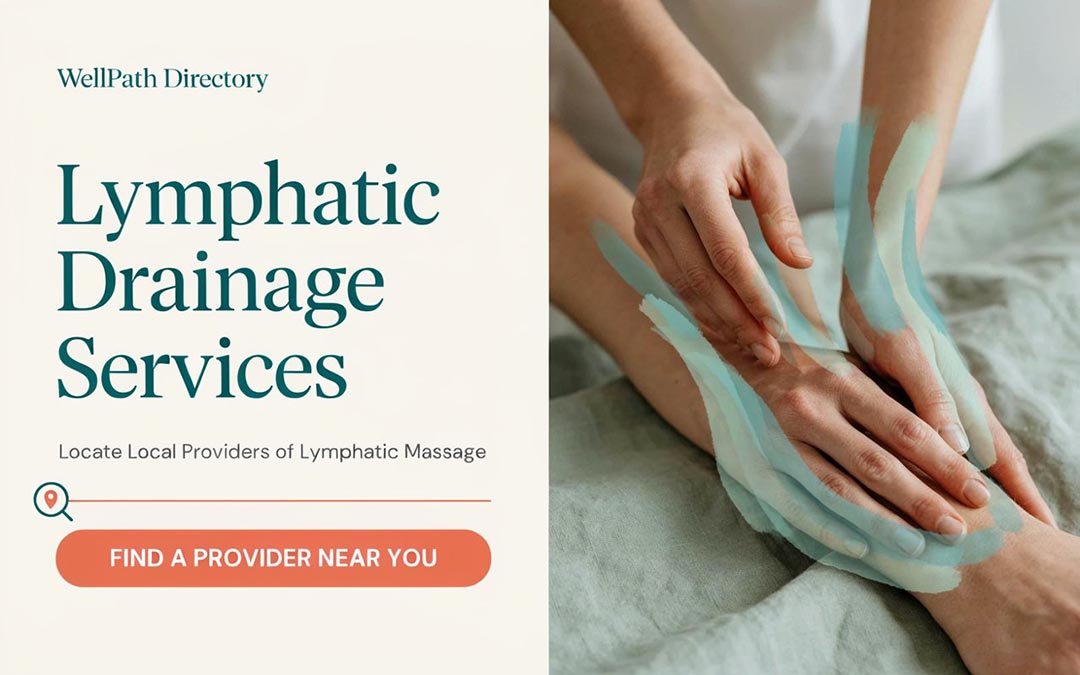
The lymph fluid can move more freely throughout the body with the help of lymphatic drainage massage, a gentle, rhythmic massage method. After filtering the fluid at lymph nodes, lymphatic tubes return it to circulation after carrying it throughout the body.
Organs, veins, and lymph nodes collaborate to maintain steady fluid levels and aid the immune system. Lymph does not circulate the body as the heart does. It is able to travel through the channels because of muscular movement, breathing, and small wall contractions.
A buildup of fluid in the tissues can occur as a result of a decrease in blood flow caused by injuries, radiation, surgeries, or other medical procedures. Lymphoedema can be treated with manual lymphatic drainage (MLD).
The technique was developed in the 1930s by two Danish practitioners named Emil and Estrid Vodder. It is still taught today in specialised certification programs.
How It Differs From a Regular Massage
Swedish or deep tissue massage is using hard pressure on muscles. Lymphatic drainage is practically every manner different.
- Pressure: Very gentle, more skin-stretching than kneading
Speed: Slow, repeated
Direction: Follows lymph flow away from tissues, generally toward nodes
Objective: fluid motion not muscular relaxation
A therapist who pushes hard is a red flag.” Because the lymph arteries are just under the skin’s surface, applying too much pressure during the process could actually hurt instead of help.
Who Might Benefit From Lymphatic Massage?
People come to this service for medical reasons and for wellbeing in general. The evidence is stronger for the first group.
Uses in medicine and clinics
Swelling after some surgeries, if authorised by your surgeon Lymphoedema after cancer treatment, especially after lymph node removal
Lipedema-related swelling as part of an overall treatment approach Chronic venous insufficiency in selected patients, under medical supervision
MLD is often part of a comprehensive treatment approach known as total decongestive therapy for lymphoedema. The program also involves exercise, skin care and compression bandaging. Massage is rarely the answer in and of itself.
Uses for health and beauty
Many spas have these treatments available – lymphatic massage to reduce puffiness, aid exercise recovery or just relax. Many people walk out of a session feeling less puffy and more at ease, as if the day’s tension has loosened its grip. That’s a legitimate expectation. The soft touch really is relaxing to a lot of folks.
What the evidence does not support is the concept that lymphatic massage “detoxes” the body, melts fat or replaces medical treatment. Detox is already built in. Your liver breaks down and processes waste, and your kidneys filter it out through urine. Lymphatic massage does not replace them. Be wary of any service promising remarkable outcomes.
Understanding Lymphatic Node Massage
You may hear about “lymphatic node massage” and worry if the therapist will be massaging your lymph nodes. Normally, no.
Lymph nodes are small, bean-shaped filters found in the neck, armpits, groin and other parts of the body. A professional therapist would frequently start by gently working near the major node clusters to “open” the pathways. The objective is to let the fluid drain before treating the swollen areas.
The touch is gentle even on the nodes. If you see a sensitive, swollen lump that isn’t going away, don’t try to massage it yourself. See the doctor first
Spa Lymphatic Massage vs. Clinical Lymphatic Therapy
This is the most important distinction to understand before you book. The two settings serve different needs.
| Spa Lymphatic Massage | Clinical Lymphatic Therapy | |
|---|---|---|
| Main purpose | Relaxation, wellness, mild puffiness | Managing lymphedema and medical swelling |
| Provider | Licensed massage therapist, often with a short course | Certified lymphedema therapist (often a physio or occupational therapist) |
| Setting | Spa, wellness studio | Clinic, hospital, rehab center |
| Doctor referral | Usually not needed | Often recommended or required |
| Insurance coverage | Rarely covered | Sometimes covered where available |
A spa lymphatic massage can be a pleasant and low-risk option for a healthy person. However, a clinical provider is the better option for those with diagnosed conditions.
Locating Local Providers of Lymphatic Drainage Massages
Local searches return a long list of providers, but they vary widely in training, setting, and the type of client they serve. Identifying excellent work from average requires a little more work.
1. Begin With the Correct Search Terms
Experiment with variants. “Lymphatic drainage massage near me,” “MLD therapist,” and “lymphedema clinic” will yield different types of services. If you have a medical problem, searching “certified lymphoedema therapist” usually produces better results than just searching for a spa.
2. Verify the Credentials
Look for instruction from established programs, such as Vodder Method, Klose instruction or Norton School of Lymphatic Therapy. Many nations require CLT to be accompanied by a base licence in physiotherapy, nursing, or massage treatment for a certified lymphoedema therapist. Ask straight up. A good therapist will be happy to share their training with you.
3. Read Reviews With a Discerning Eye
Look for evaluations that contain specifics; how the therapist explained things, cleanliness, format of the session. A thorough five-star review is more valuable than a vague one. Review the provider’s Google Business profiles and see if they respond to feedback.
4. Consult Your Doctor or Specialist
If you’re recovering from surgery or cancer treatment, your care team probably knows local therapists. A referral will save you time and provide you a trusted starting point.
5. Call before you reserve
Much is revealed in a quick phone chat. Ask how long the sessions are, what approach they employ and if they work on your particular problem. A professional provider will ask about your health history before making you an appointment.
What to Expect During a Session
Knowing the process helps you feel at ease.
- Consultation. The therapist asks about your health history, medications, and goals.
- Positioning. You lie down, usually with your clothing adjusted for access to the treatment area. You are draped throughout.
- The massage. Expect slow, light strokes. It should feel soothing, not painful.
- Aftercare advice. You may be told to drink water, wear compression garments, or avoid strenuous activity for a short time.
Sessions typically last 30 to 90 minutes. Prices vary widely by region and provider type, so ask for a quote when you call.
Safety: When to steer clear or talk to your doctor first
Lymphatic massage is a gentle technique, but it is not suited for everyone. Before booking, consult your doctor if you have any of the following:
- Fever or active infection
Blood clots or previous deep vein thrombosis
Heart failure, congestive
Kidney Issues
Cancer, active or recently diagnosed
New unexplained swelling in one limb
Carrying fluids from one part of the body to another puts extra strain on the cardiovascular system and renal function, and can be risky in the presence of an untreated infection or clot. It is the responsibility of the therapist to check for these problems and, if necessary, to seek medical clearance.
Are lymphatic massages something that can be done in the comfort of one’s own personal space?
Some therapists may instruct their customers in basic self-massage techniques.
. Deep breathing and exercise with gentle stroking of the neck or legs may help with comfort. But first learn from a skilled professional. Doing it wrong usually doesn’t hurt anything, but it doesn’t help anything either, and can delay adequate treatment if there is a true problem brewing.
Maintaining an adequate lymphatic flow is aided by your everyday actions, such as: Hydration while movement; elevating swollen limbs Dressing with compression garments as prescribed
Commonly Asked Questions
Why is lymphatic drainage massage so great?
Lymphoedema, or swelling, can be a problem following cancer treatment or surgery, therefore this is where it’s most often used. Many people also use it to relax and reduce mild puffiness.
How many appointments will I require?
Depends on your goal. Wellness clients are more apt to book one session or one visit here and there. Individuals with lymphoedema may need to start off with frequent sessions, then transition to maintenance treatment. Once they’ve assessed you, your therapist should provide you a strategy.
Is lymphatic massage painful?
No. The pressure is extremely small. Notify your therapist without delay if you have any discomfort.
Massage therapy for lymphatic drainage—is it covered by insurance?
On occasion, when provided by a trained medical professional as directed for the treatment of a medical condition like lymphoedema. Spa treatments are often not covered. Check with your insurer before appointment.
Lymphatic massage for weight loss: yes or no?
There’s no good proof that it leads to fat loss. Any short term size change is generally water weight, not loss of body fat.
How can I know if a therapist is appropriately trained?
Ask about certification, what approach they employ and how many years they have worked with Lymphatic people. Seek training from approved lymphatic treatment programs and a legitimate professional licence, if your local laws require it.
After a session – what to do
Drink water. Rest if you are fatigued. Follow any specific recommendations your therapist gives you. You may feel slightly weary or pass more urine than usual afterward.
Abstract:
“Although the technique is light, manual lymphatic drainage has an established place in clinical care, especially in managing lymphoedema as part of a wider treatment plan. It is also a calming health therapy when performed by a competent therapist. The idea is to match the service to your need. Select a certified clinical practitioner and consult with your primary care physician if necessary. Visiting a respectable spa with competent personnel is sufficient for a day of unwinding.
Find a lymphatic massage near me by checking their credentials, communicating well, and making reasonable claims. During therapy, a good therapist will listen carefully, then explain what will happen and will never exaggerate the benefits.