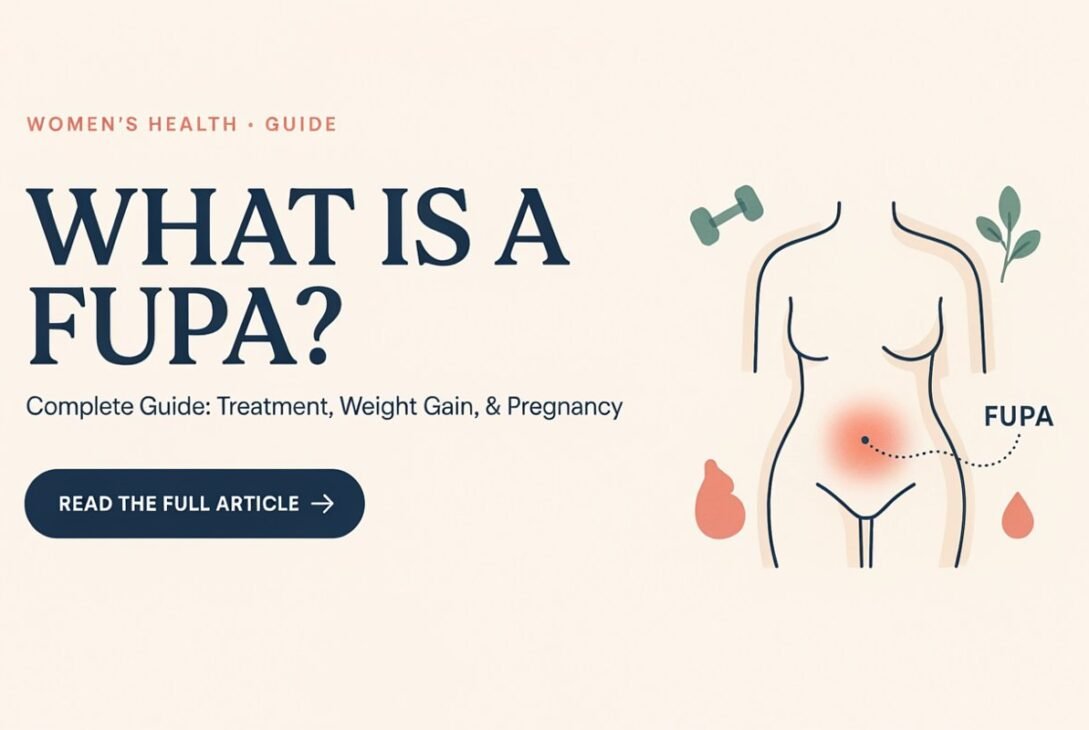
If you’ve searched for this term, you’ve probably noticed a stubborn pouch of fat sitting just below your belly button, and you want a straight answer about what it is and what to do about it. You’re not alone. This is one of the most common body-image questions people bring up with doctors, trainers, and each other, yet it’s rarely discussed openly. This guide breaks it down in plain language, backed by what medical professionals actually say about abdominal fat, so you can understand your body and make informed choices.
What Is a FUPA? A Clear Definition
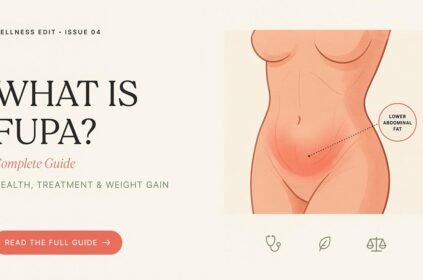
FUPA stands for “Fat Upper Pubic Area.” It refers to the layer of soft tissue that sits above the pubic bone, below the belly button, and above the genitals. Anatomically, this area is sometimes called the mons pubis or suprapubic fat pad.
In simple terms, a FUPA is:
- A pocket of fat and, in some cases, loose skin located on the lower abdomen
- Positioned just above the pubic region, not on the stomach itself
- Present to some degree in almost everybody, though it’s more noticeable in some than others
- Not a medical condition — it’s a normal variation of body fat distribution
It’s worth saying clearly: having a FUPA is not a health problem, a disease, or something “wrong” with your body. It’s simply where your body happens to store fat, which is largely determined by genetics, hormones, and body composition.
Why Do People Develop a FUPA?
Understanding the cause helps you figure out the right approach, if you decide you want to address it at all. Several factors contribute.
1. Genetics and Fat Distribution
Your body has a genetically programmed pattern for where it stores fat. Some people store more around the hips and thighs, others around the abdomen, and for many, the lower belly and pubic area are a primary storage zone. This is largely out of your control and has nothing to do with effort or discipline.
2. Weight Gain
This is one of the most direct causes. When the body gains weight overall, fat doesn’t distribute evenly. The lower abdomen, including the area above the pubic bone, is a common site for fat accumulation, especially in people who carry more visceral and subcutaneous fat in the midsection.
3. Pregnancy
Pregnancy is one of the leading reasons people develop or notice a more prominent FUPA. During pregnancy, the body:
- Stores extra fat to support the growing baby and prepare for breastfeeding
- Stretches the skin and abdominal muscles to accommodate the uterus
- Shifts hormone levels that influence fat storage in the lower abdomen
After delivery, the uterus shrinks back down, but the skin and fat layer above the pubic bone don’t always retract at the same rate. This is sometimes referred to informally as a “mommy pooch,” and it’s an extremely common postpartum experience.
4. Hormonal Changes
Hormones such as estrogen influence where the body stores fat. This is part of why the lower abdomen and hip area tend to be common fat-storage zones, particularly during puberty, pregnancy, and menopause.
5. Aging and Skin Elasticity
As skin loses collagen and elastin with age, it becomes less able to snap back after stretching from weight changes or pregnancy. This can make a FUPA more visible even if fat levels haven’t changed much.
6. Weight Loss and Loose Skin
Interestingly, a FUPA can also become more noticeable after significant weight loss. If someone loses a large amount of weight quickly, the skin in the lower abdominal area may not shrink at the same pace as the fat loss, leaving behind loose or hanging skin.
Is a FUPA the Same as Belly Fat?
No, and this is an important distinction. Belly fat generally refers to fat around the stomach and waistline, including visceral fat that surrounds internal organs. A FUPA is more specifically located below the belly button, above the pubic bone. Someone can have a flat stomach and still have a noticeable FUPA, because it’s a distinct fat pad tied to a different area of the body.
Does Having a FUPA Mean You’re Unhealthy?
Not necessarily. Body fat percentage and location vary enormously from person to person, and having fat in this area doesn’t automatically indicate poor health. That said, general abdominal fat, when combined with other risk factors, can be associated with metabolic concerns. If you’re worried about your overall health rather than appearance, the more useful markers to track with a doctor include:
- Waist circumference
- Blood pressure
- Blood sugar and cholesterol levels
- Overall body composition
A visible FUPA on its own is not a diagnostic red flag. It’s primarily an aesthetic and comfort concern for most people who bring it up.
How to Reduce a FUPA: Realistic, Evidence-Based Options
If you’d like to reduce the appearance of a FUPA, it helps to know that “spot reduction,” or losing fat from one specific area through targeted exercise alone, is not something the body does. You can influence how much fat you lose through calorie balance, but where it comes from first is mostly decided by genetics, not by which body part you targeted in your workout.
Lifestyle and Diet Changes
- Create a modest calorie deficit. Sustainable, gradual weight loss (about 0.5 to 1 kg per week) tends to reduce fat throughout the body, including the lower abdomen over time.
- Prioritize protein and fiber. These help with satiety and preserving muscle mass during weight loss.
- Limit added sugars and ultra-processed foods. These are linked to increased abdominal fat storage in multiple studies.
- Stay hydrated and manage stress. Chronic stress raises cortisol, a hormone associated with abdominal fat storage.
Exercise Approaches
- Full-body strength training builds muscle and supports a higher resting metabolism, which helps with overall fat loss.
- Core-strengthening exercises like planks, leg raises, and pelvic tilts won’t spot-reduce fat, but they tighten the underlying muscles, which can improve the area’s shape and firmness.
- Cardiovascular exercise, such as brisk walking, cycling, or swimming, supports calorie burn and overall fat reduction.
Skin-Focused Care
If loose skin rather than fat is the main concern (common after pregnancy or major weight loss), options include:
- Gradual strength training to build underlying muscle tone
- Moisturizing and massage, though evidence for dramatically improving skin elasticity this way is limited
- Patience, since skin can take 6 months to 2 years to improve somewhat on its own after pregnancy or weight loss
Medical and Cosmetic Options
For people who don’t see the change they want through lifestyle methods, medical options exist, though these should always be discussed with a licensed healthcare provider first:
- Liposuction removes fat deposits from the lower abdomen through a minimally invasive procedure
- Panniculectomy or tummy tuck (abdominoplasty) removes excess skin and tightens muscles, often considered after major weight loss or multiple pregnancies
- Non-invasive fat reduction treatments, such as cryolipolysis, use controlled cooling to reduce fat cells in targeted areas
These procedures carry real risks and recovery time, so they’re worth researching thoroughly and discussing with a board-certified surgeon rather than pursuing based on marketing claims alone.
FUPA and Pregnancy: What to Expect
This is arguably the single most common reason people land on this page, so let’s dig into it directly.
During Pregnancy
As the uterus expands, the skin and fat above the pubic bone stretch to accommodate it. This is a completely normal and necessary part of pregnancy.
After Delivery (Postpartum)
It’s common for the lower abdomen to remain soft, stretched, or pouch-like for weeks or months after birth. This happens because:
- The uterus takes about 6 weeks to shrink back to its pre-pregnancy size
- Abdominal muscles, particularly the rectus abdominis, may have separated (a condition called diastasis recti)
- Skin elasticity takes time to recover, and full recovery isn’t guaranteed for everyone
What Helps Postpartum
- Gentle core rehabilitation exercises, ideally guided by a postpartum physical therapist
- Checking for diastasis recti before starting intense ab workouts, since some exercises can worsen the separation
- Being patient. Full-body recovery after pregnancy typically takes 6 to 12 months, and for some people, some changes are permanent
- Speaking with your OB-GYN before resuming exercise, especially after a C-section
There is nothing abnormal about a postpartum FUPA. It reflects the incredible physical work the body just did.
Common Myths About FUPA
- Myth: You can spot-reduce it with crunches. Reality: Targeted ab exercises tone muscle but don’t selectively burn fat from one area.
- Myth: Only overweight people have a FUPA. Reality: People at a healthy weight can have one too, due to genetics or skin elasticity.
- Myth: It always goes away after losing weight. Reality: If loose skin is the main issue, weight loss alone won’t fully resolve it.
- Myth: It’s a sign of poor hygiene or health. Reality: It’s simply a fat distribution pattern, unrelated to hygiene.
Frequently Asked Questions
1. What does FUPA stand for?
FUPA stands for “Fat Upper Pubic Area,” referring to the soft tissue above the pubic bone and below the belly button.
2. Can men have a FUPA too?
Yes. While the term is more commonly used in conversations about women’s bodies, men can also develop fat in this area, particularly with weight gain or aging.
3. How long does it take to lose a FUPA?
There’s no fixed timeline. It depends on your starting body composition, diet, exercise consistency, and genetics. Gradual, sustainable fat loss typically takes several months to show visible changes.
4. Is FUPA the same as diastasis recti?
No. Diastasis recti is a separation of the abdominal muscles, often after pregnancy, while a FUPA refers to fat and skin above the pubic bone. They can occur together but are medically different.
5. Will a tummy tuck remove a FUPA?
A tummy tuck (abdominoplasty) can significantly reduce excess skin and some fat in the lower abdomen, but results vary by individual, and it should be discussed with a qualified plastic surgeon.
6. Does losing weight always get rid of a FUPA?
Not always. Weight loss reduces fat, but if loose skin is the primary cause, skin may remain even after fat loss.
7. Is having a FUPA bad for your health?
Not inherently. It’s mainly a cosmetic and comfort concern for most people rather than a medical risk on its own.
Conclusion
A FUPA, or Fat Upper Pubic Area, is a completely normal part of human anatomy that many people experience due to genetics, weight changes, pregnancy, hormones, or aging. It isn’t a medical condition or a sign of poor health, and it certainly isn’t something to be ashamed of. If you’d like to reduce its appearance, sustainable weight management, targeted strength training, and, in some cases, medical procedures can help. But understanding your body first, without judgment, is always the healthiest place to start