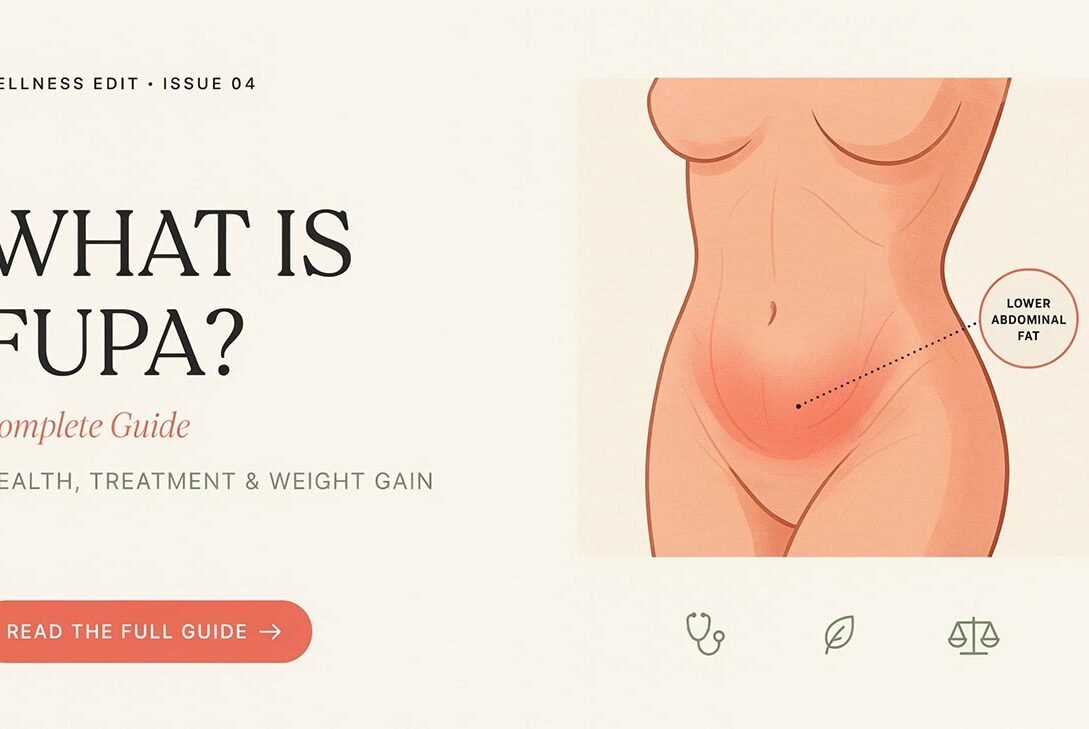
If you’ve searched for this term, you’ve probably noticed a certain area of your lower belly that doesn’t quite match the rest of your body shape — and you want to understand why. You’re not alone. Millions of people, regardless of weight or fitness level, deal with this exact concern and search for real answers instead of judgment.
This guide breaks down what a FUPA actually is, why it forms, and what you can realistically do about it — backed by practical, medically sound information.
What Is FUPA?
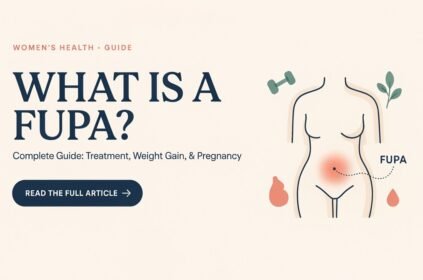
FUPA stands for “Fat Upper Pubic Area.” It refers to the layer of fat that sits above the pubic bone, below the belly button, and above the genital area. This is a completely normal part of human anatomy and exists in people of all body types — thin, athletic, or heavier.
In simple terms, a FUPA is:
- A pocket of soft tissue located on the lower abdomen
- Made up of subcutaneous fat (fat under the skin, not around organs)
- Present in both men and women, though more commonly discussed among women
- Not a medical condition, but a cosmetic and anatomical concern for many people
It’s important to separate fact from internet myth here. Having a FUPA doesn’t mean you’re sick, doesn’t put your health at risk, and honestly doesn’t reflect your overall wellness at all. It’s simply an area where the body tends to store fat more visibly for many people.
Why Does A FUPA Form?
Understanding the “why” helps you figure out the right approach for your body. There isn’t one single cause — it’s usually a mix of factors working together.
1. Genetics And Fat Distribution
Where your body stores fat is largely determined by genetics. Some people store fat around the hips and thighs, others around the abdomen, and for many, the lower belly area is a natural storage zone. This is similar to how some people gain weight in their face first, while others gain it in their arms.
2. Hormonal Changes
Hormones play a major role in fat storage patterns, especially in women. Estrogen influences where the body holds onto fat, which is why lower-belly fat can become more noticeable during puberty, pregnancy, postpartum recovery, and menopause.
3. Pregnancy And Postpartum Changes
Pregnancy stretches the skin and abdominal muscles significantly. After childbirth, many women notice a soft pouch in the lower belly that doesn’t disappear immediately — sometimes not even with diet and exercise. This happens because:
- The abdominal muscles (rectus abdominis) may separate, a condition called diastasis recti
- Skin elasticity decreases after stretching
- Fat can settle in this area as the body adjusts hormonally post-birth
4. Weight Gain Or Fluctuating Weight
General weight gain often shows up first — or most visibly — in the lower abdominal area for many body types. Repeated weight gain and loss cycles (“yo-yo dieting”) can also affect skin elasticity, making the area look more prominent even at a lower weight.
5. Aging And Skin Elasticity
As we age, collagen production slows down. This means skin loses some of its natural tightness, which can make existing fat in the lower belly area appear more noticeable, even without significant weight gain.
6. Lifestyle Factors
Diet quality, activity level, sleep, and stress all influence fat storage. Chronic stress raises cortisol, a hormone linked to increased abdominal fat storage in some people.
Is Having A FUPA Normal?
Yes — completely. This is one of the most searched follow-up questions, and the honest answer is that having a FUPA is a normal variation of human body shape. It’s not a flaw, and it’s not something exclusive to any one body type.
Many fit, active, and healthy individuals have this feature simply because of how their body naturally distributes fat. Body shape is influenced by bone structure, genetics, and hormones — factors you can’t fully control through diet or exercise alone.
FUPA vs. Belly Fat: What’s The Difference?
People often confuse a FUPA with general belly fat, but there’s a distinction worth understanding.
| Feature | FUPA | General Belly Fat |
|---|---|---|
| Location | Lower abdomen, above pubic bone | Entire abdominal area |
| Composition | Mostly subcutaneous fat | Can be subcutaneous or visceral |
| Health risk | Generally low risk | Visceral fat (around organs) carries more health risk |
| Common causes | Genetics, pregnancy, hormones | Diet, inactivity, overall weight gain |
This distinction matters because visceral fat (deep abdominal fat surrounding organs) is linked to higher health risks like heart disease and type 2 diabetes, while the fat involved in a typical FUPA is usually subcutaneous and carries far less medical concern.
Can You Reduce A FUPA Naturally?
While you can’t “spot reduce” fat from one specific area — this is a well-established fact in exercise science — you can reduce overall body fat, which often shrinks this area as well. Here’s what actually helps:
1. Focus On Overall Fat Loss
Since spot reduction isn’t possible, the most effective approach is a modest calorie deficit combined with consistent activity. As total body fat decreases, the lower abdominal area typically becomes less prominent too.
2. Strength Training
Building muscle in the core and surrounding areas can improve posture and how the area looks, even if fat remains. Exercises like planks, leg raises, and pelvic tilts strengthen the underlying muscles.
3. Cardiovascular Exercise
Regular cardio — walking, cycling, swimming — supports fat loss across the whole body, which can gradually reduce lower belly fat over time.
4. Balanced Nutrition
Whole foods, adequate protein, fiber, and reduced processed sugar intake support sustainable fat loss and reduce bloating, which can also make the lower belly appear flatter.
5. Hydration And Sleep
Poor sleep and dehydration are linked to increased cortisol and water retention, both of which can make the lower abdomen appear puffier than it actually is.
6. Postpartum Core Recovery
For new mothers, working with a physical therapist on diastasis recti recovery can meaningfully improve abdominal appearance and function, especially in the months following childbirth.
Medical And Cosmetic Treatment Options
If you’re looking for more noticeable results, a few medical treatments are worth knowing about. These should always be discussed with a licensed professional first.
Non-Surgical Options
- CoolSculpting (Cryolipolysis): Freezes and reduces fat cells in a targeted area
- Radiofrequency treatments: Tighten skin and reduce mild fat pockets
- Ultrasound fat reduction: Breaks down fat cells non-invasively
Surgical Options
- Liposuction: Removes stubborn fat deposits directly
- Panniculectomy or Tummy Tuck (Abdominoplasty): This procedure trims away loose skin and repairs stretched muscles, and it’s often the go-to option for people after major weight loss or having a baby
These procedures carry real risks and recovery time, so they’re typically considered only after non-surgical methods haven’t given the desired results, and always after a consultation with a board-certified provider.
When Should You See A Doctor?
In most cases, a FUPA is purely cosmetic and doesn’t need medical attention. Still, there are a few signs that mean it’s time to get it looked at by a professional:
- Sudden or unexplained swelling in the area
- Pain, redness, or warmth in the lower abdomen
- A visible lump that feels hard or doesn’t move
- Signs of a hernia, such as bulging that worsens with straining
These symptoms are not typical FUPA characteristics and could indicate an unrelated medical issue that needs proper evaluation.
Emotional And Body Image Perspective
It’s worth saying clearly: your body shape does not define your worth or health. A FUPA is an extremely common feature, and body image struggles around it are valid but often amplified by unrealistic social media standards. Whether you choose to work on reducing it, treat it medically, or simply accept it as part of your natural shape, all of these are valid choices.
Frequently Asked Questions
1. What causes a FUPA besides weight gain?
Genetics, hormonal changes, pregnancy, aging, and skin elasticity all contribute — not just weight gain. Even people at a healthy weight can have this feature.
2. Can men have a FUPA too?
Yes. While the term is more commonly used in conversations about women’s bodies, men can have the same fat distribution pattern in the lower abdomen.
3. Does losing weight get rid of a FUPA?
Weight loss can reduce it, but not always completely, especially if loose skin or muscle separation (like diastasis recti) is involved rather than just fat.
4. Is a FUPA the same as visceral fat?
No. A FUPA is typically subcutaneous fat (under the skin), while visceral fat surrounds internal organs and carries different health implications.
5. What exercises target a FUPA specifically?
No exercise can spot-reduce fat from one area. However, core-strengthening moves like planks and leg raises can tone the muscles underneath, improving the area’s appearance over time.
6. Is it possible to have a FUPA even if I’m thin?
Yes. Genetics and hormones influence fat storage patterns independently of overall body weight, which is why even lean individuals can have this feature.
7. What’s the fastest way to reduce a FUPA?
There’s no truly “fast” natural method, since fat loss takes time. For quicker visible results, non-surgical treatments like CoolSculpting or surgical options like liposuction are the most direct routes, though they come with cost and recovery considerations.
Conclusion
A FUPA — fat in the upper pubic area — is a completely normal part of human anatomy, shaped by genetics, hormones, pregnancy, aging, and lifestyle factors. It’s not a medical problem on its own, though certain symptoms like pain or swelling should always be checked by a doctor. Whether you choose lifestyle changes, targeted strength training, or medical treatments like CoolSculpting or surgery, the most important takeaway is this: your body shape is normal, common, and doesn’t require justification. Understanding your body is the first step toward making informed, confident choices about it