
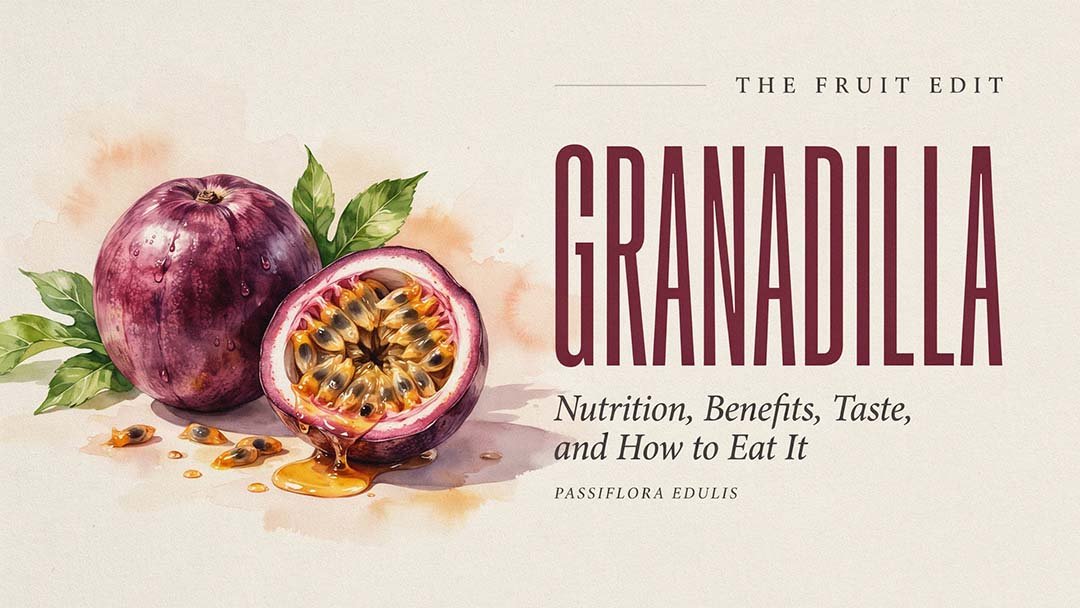
If you’ve ever wandered through a grocery store and spotted a round, reddish fruit with tough, leathery skin, you’ve probably come across granada fruit. Many people know it by another name: pomegranate. Whether you call it granada or pomegranate, this fruit has earned its reputation as one of the most nutrient-dense and historically significant fruits in the world.
In this article, we’ll explore everything you need to know about granada fruit — what it is, where it comes from, its taste, health benefits, and the best ways to eat it. By the end, you’ll understand why this fruit has been treasured for thousands of years and why it deserves a spot in your regular diet.
What Is Pomegranate (Granada Fruit)?
Granada fruit is simply the Spanish word for pomegranate, a fruit that comes from the Punica granatum tree. In English-speaking countries, you’ll almost always see it labeled as pomegranate, but in Spanish-speaking regions, “granada” is the common term used at markets and in recipes.
So, what is pomegranate exactly? It’s a round fruit with a thick, leathery outer skin that ranges inv color from deep red to pinkish-orange. Inside, the fruit is packed with hundreds of small, juicy seed sacs called arils. Each aril contains a small edible seed surrounded by sweet-tart, ruby-red juice.
Pomegranates aren’t overly large fruits — most are about the size of a large orange or grapefruit, weighing between 200 to 400 grams. When you cut one open, you’ll notice the interior is divided into sections by a bitter white membrane, which is not eaten.
What Type of Fruit Is a Pomegranate?
A common question people ask is: what type of fruit is a pomegranate? Botanically speaking, pomegranate is classified as a berry. This might surprise many people, since it doesn’t resemble typical berries like strawberries or blueberries.
Technically, pomegranates fall under a special berry subtype known as a “balausta.” This means the fruit develops from a single ovary with a tough outer layer (pericarp) and contains multiple seeds inside, which fits the botanical definition of a berry perfectly.
So while it may look nothing like a raspberry or blackberry, science confirms that pomegranate is indeed a berry — just a very unique one.
Where Are Pomegranates From? A Look at Their Origin
Understanding where pomegranates come from helps explain why this fruit has such deep cultural and historical roots.
Pomegranates originated in the region stretching from modern-day Iran to northern India. This area, often referred to as the fruit’s native homeland, has cultivated pomegranates for thousands of years — with historical records dating back over 4,000 years.
From there, pomegranate cultivation spread across:
- The Middle East
- The Mediterranean region (Spain, Italy, Greece, Turkey)
- North Africa
- Central Asia
- Eventually the Americas, after Spanish colonization introduced it to regions like California and Latin America
Interestingly, Spain played a major role in popularizing the fruit in Europe. In fact, the Spanish city of Granada is believed to have taken its name from the fruit, which was heavily cultivated in the region during Moorish rule. This connection is part of why the fruit is still called “granada” in Spanish today.
Modern-day top producers of pomegranates include:
- India
- Iran
- Turkey
- Spain
- The United States (particularly California)
Each region has developed its own varieties, with slight differences in sweetness, tartness, and seed hardness.
What Does Granada Fruit Taste Like?
One of the most appealing things about pomegranate is its complex flavor profile. Unlike many fruits that are simply sweet or simply sour, pomegranate offers a balanced combination of both.
Here’s how to describe its taste:
- Sweetness – Ripe pomegranates have a natural sugary taste, similar to sweet grapes.
- Tartness – A tangy, slightly sour edge balances out the sweetness, similar to cranberries.
- Juiciness – Each aril bursts with liquid when bitten, creating a refreshing sensation.
- Slight earthiness – Some varieties carry a subtle earthy or wine-like undertone.
The taste can vary depending on ripeness and variety. Fully ripe pomegranates tend to be sweeter, while less ripe ones lean more tart. This is why choosing a good pomegranate at the store matters — a heavy fruit with taut, slightly rough skin is often a sign of juiciness and ripeness.
Nutritional Value of Granada Fruit
Pomegranates aren’t just delicious — they’re also incredibly nutritious. This fruit has become popular among health-conscious eaters because of its impressive nutrient profile.
A typical 100-gram serving of pomegranate arils contains approximately:
- 83 calories
- 19 grams of carbohydrates
- 4 grams of fiber
- 1.7 grams of protein
- Vitamin C (about 17% of daily value)
- Vitamin K
- Folate
- Potassium
Beyond these basic nutrients, pomegranates are especially known for their high concentration of antioxidants, particularly punicalagins and anthocyanins. These compounds are responsible for the fruit’s deep red color and are linked to several potential health benefits.
Health Benefits of Pomegranate
Because of its nutrient density, pomegranate has been studied extensively for its potential health benefits. While it’s not a miracle cure, scientific research supports several positive effects when pomegranate is included as part of a balanced diet.
1. Rich Source of Antioxidants
Pomegranates contain more antioxidants than most other fruits, including green tea and red wine. Antioxidants help neutralize free radicals in the body, which may reduce oxidative stress over time.
2. Supports Heart Health
Some studies suggest that regular pomegranate consumption may help support healthy blood pressure levels and improve blood flow. The polyphenols in pomegranate juice have been linked to improved cardiovascular markers in certain research studies.
3. May Support Joint Health
Compounds in pomegranate have shown anti-inflammatory properties in laboratory studies, which researchers believe may help support joint comfort, particularly for people dealing with mild inflammation.
4. Good for Digestive Health
With a solid fiber content, pomegranates can support healthy digestion and contribute to feelings of fullness, which may be helpful for weight management.
5. May Support Skin Health
The vitamin C and antioxidant content in pomegranates contribute to collagen production, which plays a role in maintaining healthy, resilient skin.
It’s important to note that while these benefits are promising, pomegranate should be viewed as a supportive part of a healthy lifestyle — not a replacement for medical treatment or professional healthcare advice.
How to Eat Granada Fruit
Many people avoid pomegranates simply because they don’t know how to open and eat them properly. Fortunately, once you learn the technique, it becomes quick and easy.
Step-by-Step: How to Cut and Eat a Pomegranate
- Cut off the crown – Slice off the top part where the stem is located.
- Score the skin – Make shallow cuts along the ridges of the fruit, following the natural sections.
- Break it apart – Gently pull the sections apart with your hands.
- Remove the arils – Place the sections in a bowl of water and use your fingers to release the seeds. The white membrane will float, while the arils sink.
- Drain and enjoy – Strain out the water and enjoy the arils fresh.
Popular Ways to Eat Pomegranate
- Eaten fresh as a snack
- Sprinkled over salads for a sweet-tart crunch
- Added to yogurt or oatmeal
- Blended into smoothies
- Used as a garnish for desserts
- Juiced for a refreshing drink
- Included in Middle Eastern and Mediterranean dishes, such as rice pilafs or grilled meats
Pomegranate seeds also freeze well, making it easy to enjoy this fruit even when it’s out of season.
How to Choose and Store Pomegranates
When selecting a pomegranate, look for:
- A quality pomegranate carries noticeable heft in the palm, a subtle clue that the arils inside are full and juicy rather than dry.
- Skin that appears slightly rough or leathery, not smooth and shiny
- No visible cracks or soft spots
Storage tips:
- Whole pomegranates can be stored at room temperature for about a week.
- For longer storage, refrigerate them for up to two months.
- Once opened, store the arils in an airtight container in the fridge for up to five days, or freeze them for several months.
Frequently Asked Questions (FAQs)
1. What is pomegranate good for?
Pomegranate is good for providing antioxidants, vitamin C, and fiber. It may support heart health, digestion, and overall immune function when eaten as part of a balanced diet.
2. Where do pomegranates come from originally?
Pomegranates originally come from the region between modern-day Iran and northern India, where they have been cultivated for thousands of years before spreading to the Mediterranean and beyond.
3. Can you eat pomegranate seeds?
Yes, pomegranate seeds are edible. The seeds inside each aril are soft enough to chew and offer additional fiber.
4. Is pomegranate a fruit or a vegetable?
Pomegranate is a fruit. Specifically, it is classified botanically as a type of berry.
5. How do you know if a pomegranate is ripe?
A ripe pomegranate feels heavy for its size and has firm, slightly rough skin. A dull color or lightweight feel may indicate it’s underripe.
6. Is granada the same as pomegranate?
Yes. “Granada” is simply the Spanish word for pomegranate. Both terms refer to the exact same fruit.
7. Can pomegranate juice be consumed daily?
Many people enjoy pomegranate juice daily in moderation. However, since it contains natural sugars, it’s best consumed as part of a balanced diet rather than in excessive amounts.
Final Thoughts
Granada fruit, better known in English as pomegranate, is far more than just a beautiful, jewel-toned fruit. It carries a rich history dating back thousands of years, a distinctive sweet-tart flavor, and an impressive nutritional profile packed with antioxidants and essential vitamins.
Whether you enjoy it fresh, blended into a smoothie, or sprinkled over a salad, pomegranate offers both culinary versatility and genuine health value. Now that you understand what pomegranate is, where it comes from, and how to eat it properly, there’s no reason not to add this ancient superfruit to your weekly routine