If you’ve ever woken up with a dull ache spreading from your jaw to your temples, you’re not alone. Millions of people deal with this exact problem every year, and most of them don’t realize their headache actually starts in the jaw joint. This condition is commonly known as a TMJ headache, and it can turn an ordinary day into a struggle against constant discomfort.
This guide breaks down everything you need to know — what causes TMJ headaches, how to tell them apart from other headache types, and practical relief methods that actually work.
What Is a TMJ Headache?
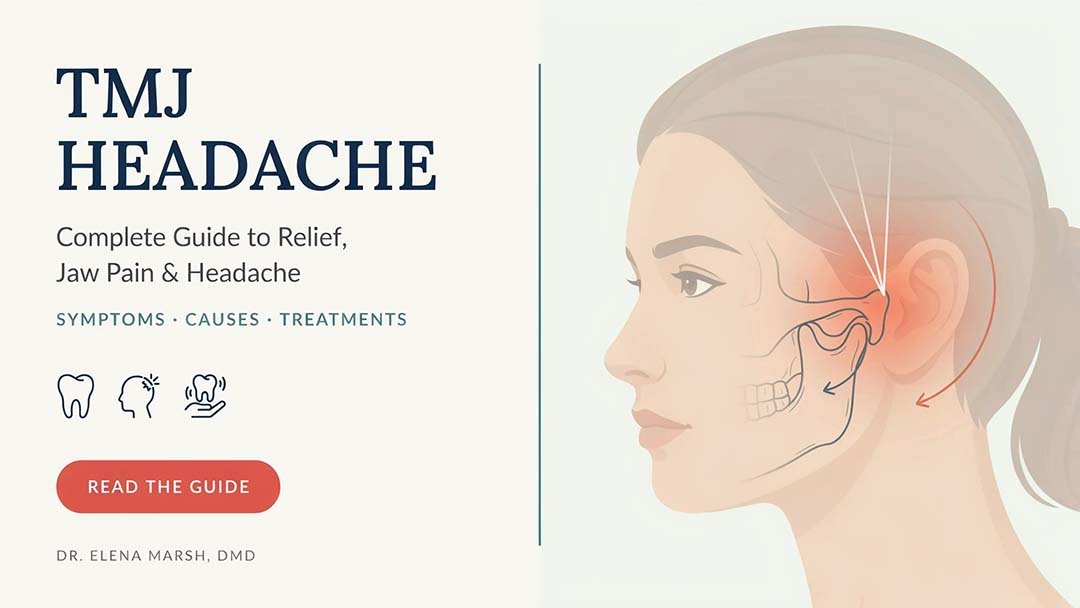
A TMJ headache happens when the temporomandibular joint — the hinge connecting your jawbone to your skull — becomes inflamed, misaligned, or overworked. This joint sits right in front of your ears, and it’s involved every time you chew, talk, or yawn.
When something goes wrong with this joint, the pain doesn’t stay put. It often radiates outward, triggering headaches that feel similar to tension headaches or even migraines. Many people spend years treating the wrong symptom because they don’t connect their headaches to jaw problems.
In simple terms: A TMJ headache is a headache caused by dysfunction in the jaw joint or the muscles surrounding it, not by a problem originating in the brain itself.
Common Symptoms of TMJ-Related Headaches
Recognizing the symptoms early can save you months of guesswork. Look out for these signs:
- Pain around the temples, forehead, or behind the eyes
- Clicking or popping sounds when opening your mouth
- Jaw stiffness, especially in the morning
- Difficulty chewing or a feeling of the jaw “locking”
- Ear pain or a sensation of fullness in the ears
- Neck and shoulder tension
- Headaches that worsen with chewing or talking
If several of these symptoms show up together, there’s a good chance your headaches are connected to jaw dysfunction rather than a standalone neurological issue.
What Causes TMJ Headaches?
Understanding the root cause helps you choose the right treatment path. Here are the most frequent triggers:
1. Teeth Grinding and Clenching (Bruxism)
Many people unconsciously tighten or grind their teeth while sleeping, often without realizing they are doing it.. This constant pressure strains the joint and surrounding muscles, often leading to morning headaches.
2. Stress and Muscle Tension
Emotional stress doesn’t just affect your mind — it tightens the muscles around your jaw and neck. Over time, this tension builds up and triggers headache episodes.
3. Poor Posture
Slouching or forward head posture, especially from long hours at a desk, shifts pressure onto the jaw joint. This misalignment can gradually worsen TMJ symptoms.
4. Jaw Injury or Misalignment
A previous injury, an uneven bite, or missing teeth can throw off the natural balance of the jaw, forcing the joint to work harder than it should.
5. Arthritis
Just like other joints in the body, the TMJ can be affected by arthritis, leading to inflammation and chronic discomfort.
How Is a TMJ Headache Different From a Regular Headache?
This is one of the most searched questions, and for good reason — the overlap in symptoms causes a lot of confusion.
| Feature | TMJ Headache | Regular Tension Headache |
|---|---|---|
| Location | Temples, jaw, ears | Forehead, back of head |
| Trigger | Chewing, talking, clenching | Stress, screen time, fatigue |
| Jaw sounds | Often present | Usually absent |
| Morning stiffness | Common | Rare |
| Relief method | Jaw-focused treatment | General pain relief |
If your headache gets worse after eating a meal or talking on the phone for a long time, that’s a strong clue it’s coming from your jaw.
Effective TMJ Headache Relief Methods
The good news is that most TMJ headaches can be managed with consistent, simple strategies. These are some of the strategies that tend to provide the most relief for many people.
Apply Heat or Cold Therapy
A warm compress relaxes tight jaw muscles, while a cold pack reduces inflammation during flare-ups. Alternating between the two often gives the best results.
Practice Jaw Relaxation Exercises
Gentle stretching can retrain the jaw muscles to release tension. Try this simple routine:
- Rest your tongue on the roof of your mouth.
- Slowly open and close your jaw without clenching.
- Repeat 10 times, twice daily.
This small habit, done consistently, can noticeably reduce tension over a few weeks.
Fix Your Posture
Since posture directly affects jaw alignment, sitting upright with your shoulders back can ease unnecessary strain. This is especially important for people who work long hours at a computer.
Avoid Hard or Chewy Foods During Flare-Ups
Steer clear of foods like gum, hard candy, or tough meats when your jaw feels sore. Giving the joint a break allows inflammation to settle.
Manage Stress Levels
Since stress is one of the biggest triggers, activities like deep breathing, light exercise, or short mindfulness breaks can indirectly reduce headache frequency.
Consider a Night Guard
If clenching happens mostly at night, a custom-fitted night guard from a dentist can prevent damage and reduce morning headaches significantly.
Consult a Professional When Needed
If home remedies aren’t enough, it’s worth seeing a dentist, orthodontist, or physical therapist who specializes in TMJ disorders. They may recommend bite correction, physical therapy, or in some cases, more advanced treatment.
When Should You See a Doctor?
While many TMJ headaches can be managed at home, certain signs mean it’s time to seek professional care:
- Pain that lasts for several weeks despite home care
- Jaw locking that doesn’t resolve on its own
- Severe pain that disrupts daily activities
- Noticeable changes in your bite or jaw alignment
- Headaches accompanied by dizziness or vision changes
A qualified dentist or TMJ specialist can properly diagnose the issue using a physical exam and, if needed, imaging tests.
Lifestyle Changes That Support Long-Term Relief
Beyond quick fixes, small daily habits make a real difference over time:
- Stay hydrated — dehydration can increase muscle tension throughout the body.
- Sleep on your back when possible, since side-sleeping can put pressure on the jaw.
- Limit caffeine, which can increase muscle tightness in some people.
- Take breaks from talking or chewing during long meetings or meals.
- Track your triggers in a simple journal to identify patterns.
These changes won’t fix the problem overnight, but they build a foundation that reduces flare-ups significantly.
Frequently Asked Questions
1. Can TMJ really cause headaches?
Yes. The jaw joint is closely connected to the muscles around your temples and skull, so dysfunction there frequently triggers headache symptoms.
2. Are TMJ headaches the same as migraines?
Not exactly. They can feel similar, but TMJ headaches are usually triggered by jaw movement, while migraines often involve additional symptoms like nausea or light sensitivity.
3. How long do TMJ headaches usually last?
They can range from a few hours to a full day, depending on the severity of the underlying jaw tension.
4. Can stress alone cause TMJ headaches?
Yes. Stress is one of the leading contributors, since it often leads to unconscious jaw clenching.
5. Is TMJ headache a permanent condition?
Not necessarily. With proper treatment — including exercises, posture correction, and stress management — many people see significant improvement.
6. Do TMJ headaches go away on their own?
Mild cases sometimes improve with rest and self-care, but recurring symptoms usually need targeted treatment for lasting relief.
7. What’s the fastest way to relieve TMJ headache pain?
A combination of heat therapy, gentle jaw stretches, and reducing jaw strain (like avoiding hard foods) tends to bring the quickest relief.
Conclusion
TMJ headaches are more common than most people realize, and understanding the connection between jaw dysfunction and headache pain is the first step toward relief. By recognizing symptoms early, identifying triggers like stress or clenching, and using targeted relief methods such as jaw exercises, posture correction, and professional guidance when needed, most people can significantly reduce their discomfort. If your headaches persist despite home care, don’t hesitate to consult a TMJ specialist — early treatment often leads to faster, longer-lasting results.