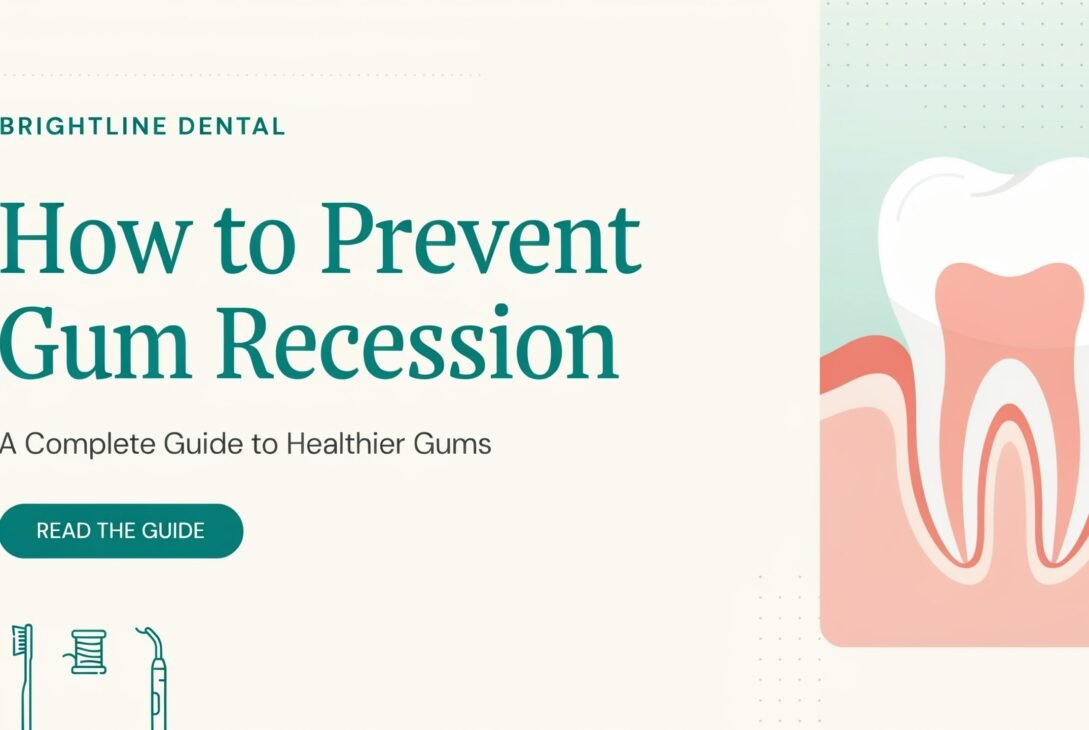
Gum recession is when the gum tissue surrounding a tooth starts to peel away from the tooth, exposing more of the tooth surface. It can also lengthen the teeth, making them more sensitive, and sometimes make the roots more prone to decay. The good news is: A lot of the same habits that safeguard your teeth can protect your gums, as well.
The first step to know how to prevent gum recession is to know the causes of gum recession. Causes of tooth sensitivity can include plaque build-up, gum disease, smoking, teeth grinding, over brushing and some dental problems. By caring for your gums well every day, and seeing your dentist often for check-ups, you may help to keep your gums healthy.
What Is Gum Recession?
One tooth could seem longer than the others. Maybe when you drink something cold, you suddenly experience a harsh feeling. These may indicate a shift in the gum line.
Gum recession is more than just a cosmetic issue. Unlike the visible portion of a tooth, exposed tooth roots lack the same outer layer of protection. They may become more vulnerable to wear and root cavities as a result.
You might not see it right away because the process might proceed slowly. Consider your gums to be a blanket that shields your teeth. Areas that were previously covered become revealed if that covering slowly slips away.
It may be simpler to address the causes of an issue if it is discovered early
What Leads to Gum Recession?
Gum recession rarely has a single cause; instead, it can be caused by multiple variables. You can make useful adjustments by being aware of these triggers.
Brushing aggressively
Assuming that brushing harder equates to better cleaning is a typical error. It doesn’t. Excessive pressure when cleaning the gum line might irritate the tissue and cause damage over time.
Cleaning should be done by your toothbrush, not by force.
Plaque and gum disease
A plaque is a sticky film of microorganisms that builds up on your teeth. If not removed regularly, it can irritate the gums. Chronic inflammation can damage the tissues that support your teeth, leading to recession.
Tobacco Use
Smoking and other tobacco products might cause problems for your gums. Tobacco smoking is strongly associated with gum disease and may make it more difficult to keep your oral tissues healthy.
Grinding of teeth
Your teeth and adjacent structures may be subjected to significant force when you clench or grind your teeth. Your dentist may suggest methods to lessen the strain if this occurs frequently, particularly while you’re sleeping.
Gum tissue that is naturally thin
Some people have thinner gum tissue by nature, or their gums are shaped in a way that makes some parts more susceptible. This is one explanation for why two individuals with comparable brushing routines could have varying degrees of recession.
Crowded or crooked teeth
There may be less tissue covering some parts of teeth that are positioned outside of the typical dental arch. Your dentist can assess whether your gum problems are related to the position of your teeth.
Gently brush your teeth.
Modifying your brushing technique is one of the easiest things you can do.
Instead of scrubbing back and forth vigorously, hold your toothbrush comfortably and make short, gentle movements. Don’t assault the gum line, but pay attention to it.
For regular cleaning, a toothbrush with soft bristles is usually a suitable option. For the bristles to drastically flatten against your teeth, you shouldn’t have to apply enough pressure.
Think about whether you’re using too much pressure if you frequently observe toothbrush bristles bending or wearing out soon.
Make use of a regular schedule
Unless your dentist has advised otherwise, brush twice a day for approximately two minutes each time.
Divide your mouth into portions instead of hurrying through the process. This eliminates the need to scrub the same spot repeatedly, making it simpler to clean every surface.
Strong and sporadic beats that are steady and gentle.
Select the Proper Toothpaste and Toothbrush
The comfort and efficacy of your oral hygiene regimen might be influenced by the equipment you employ.
A soft toothbrush is more gentle on the gum line while still providing good cleaning. Additionally, some people find powered toothbrushes useful since some types help maintain a steady brushing motion or offer pressure feedback.
Even if you use an electric toothbrush, you still need to be careful not to press it hard against your gums.
How about toothpaste?
Toothpaste containing fluoride helps prevent cavities in teeth. Some people may find relief with a toothpaste made specifically for sensitive teeth.
But receding gum tissue cannot be stopped by toothpaste alone.
When using excessively abrasive products, exercise caution, especially if you already have sensitive or exposed root surfaces. Find out from your dentist which choice is best for your mouth.
Maintain Control Over Plaque
One of the cornerstones of healthy gums is effective plaque reduction.
The surrounding tissue may become red, inflamed, sensitive, or prone to bleeding if plaque persists along the gum line. Untreated gum irritation can develop into more severe periodontal issues over time.
Although daily brushing can help eliminate plaque from areas that are easily accessible, it cannot efficiently reach every area.
Don’t overlook bleeding
When they brush, a lot of individuals notice blood and think they should stay away. Avoiding the region usually lets the plaque stay there.
Instead, clean gently and schedule a dental examination if the bleeding doesn’t stop.
In general, healthy gums shouldn’t frequently bleed when being cleaned.
Daily Flossing Between Your Teeth
Brushing merely cleans some surfaces of the teeth. Food particles and plaque can build up between the teeth, where a toothbrush may not clean well enough.
Depending on the spacing between your teeth, floss, interdental brushes or other cleaning instruments can help.
If traditional floss is tough for you to use, don’t give up. Some people find it simpler to use an interdental brush or a water flosser.
Find a method you’ll actually employ
The greatest tool is one that helps you to clean efficiently and consistently.
Ask your dental professional to show you the right way. And with floss or another device, technique counts: Using too much effort might irritate the gums.
You want a good cleaning, not a hard cleaning.
Protect Your Gums Against Gum Disease
One of the main reasons for gum tissue deterioration is gum disease and it should not be neglected.
Early gum inflammation can cause gums to be red , swollen , sensitive or bleed . As the illness worsens, it may compromise the tissues and bone that support the teeth .
Professional dental cleanings remove hardened deposits that are impossible to dislodge with simple brushing.
Regular dental visits are important.
Even those with a regular home care routine can acquire spots of accumulation that are hard to clear.
When you see your dentist they will be able to inspect your gumline and measure areas of concern when needed and look for symptoms of periodontal disease.
Preventive dental care is significantly easier if a problem is discovered early.
Steer Clear of Tobacco and Other Irritants
Tobacco use might also make it harder to keep your gums healthy. Smoking has been related with gum disease and can interfere with the normal healing response of oral tissues.
If you smoke tobacco, quitting will improve your dental health as well as your general health.
You should also pay attention to habits that constantly irritate your gums. For instance, Rubbing frequently or damage to the same place can result in unneeded aggravation.
Beware of oral products
Some persons are irritated by certain mouthwashes or other oral-care products. If a product produces burning, dryness or discomfort on a regular basis, go to a dental professional rather than assume irritation is typical.
Manage Teeth Grinding and Clenching
Do you wake up with a sore jaw, headaches or unusually sensitive teeth? You may be clenching or grinding your teeth, sometimes without even realizing it.
Bruxism is the dentistry word for chronic grinding or clenching that can place excessive strain on teeth and supporting tissues.
Your dentist can look for signs of wear and discuss whether a nite guard or another option might be right.
Sometimes clenching may be related to stress, therefore relaxation techniques, better sleeping habits and stress management may also help.
Don’t try to self-diagnose grinding at nite. A dental check-up can help find out if it is really happening and if treatment is needed.
Protect Your Gums During Dental Treatment
Dental treatment should protect your oral health, but individual circumstances matter.
If you have sensitive gums, exposed roots, or existing recession, tell your dental professional before treatment. They can consider your gum condition when planning care.
Orthodontic treatment, dental restorations, and other procedures may require special attention to gum health.
Ask questions
Don’t hesitate to ask:
- Could this treatment affect my gumline?
- How should I clean around the treated area?
- What signs of irritation should I watch for?
- How can I protect exposed areas?
A clear conversation can help you understand what to expect and how to care for your mouth afterward.
Eat for Healthy Teeth & Gums
Your gums require the same fundamental nutrition as the rest of your body.
A healthy diet consists of vegetables, fruit, whole grains, protein sources and other healthy foods and promotes good health.
Staying well hydrated throughout the day can also assist keep your mouth comfortable and help produce saliva.
Limit frequent sugary snacks.
Sugar doesn’t cause gum recession on its own, but eating it often can lead to tooth decay, which can make it harder to maintain good oral hygiene.
Good oral hygiene and treating sugary meals and drinks as an occasional treat rather than a snack or drinking all day long.
Healthy eating is good for your mouth but does not substitute brushing, interdental cleaning or professional dental treatment.
When To See A Dentist ?
If you suspect your gums are receding, don’t wait until it becomes noticeable. Get a dental examination scheduled.
A dentist can see if the gum line has really changed and check for causes including inflammation, gum disease, tooth position, brushing habits, or grinding.
If you discover loose teeth, major swelling, pus, ongoing bleeding, intense pain or rapidly changing gum tissue, be extra quick to seek professional attention.
Can Receding Gums Grow Back Naturally
In most cases, physically receding gum tissue does not just grow back on its own. But addressing the root cause can help prevent further damage.
Treatment depends on the cause and severity and may include improved oral hygiene, professional cleaning, treatment of grinding, gum disease therapy or other dental treatments.
The thing to do is not to wait until the recession gets serious before doing something about it.
FAQs
1. Will brushing too hard induce gum recession?
Yes. Repeatedly applying too much pressure, particularly with a hard toothbrush, could irritate or damage the gumline. Use a soft bristles brush and delicate motions instead.
2. Is it possible for receding gums to grow back?
Once gum tissue has receded, it typically won’t grow back to its former place on its own. However, it is possible to avert another recession by treating the cause. In some circumstances, specific dental operations can treat the problem.
3. How often should I wash my teeth for healthy gums?
Most people should wash their teeth twice a day using fluoride toothpaste. Frequency is crucial but so is technique gently.
4. Does flossing help with gum recession?
Cleaning between your teeth helps keep plaque under control and encourages gum health. But floss should be used cautiously. Your dentist or hygienist can show you the optimum technique for your mouth.
5. When do I need to see a dentist about my receding gums?
If you see exposed roots, heightened sensitivity, constant bleeding, gum changes, loose teeth, edema, or any other unusual signs, visit a dentist. Getting it checked out early can help determine the source and prevent more damage.
Summary
The most important thing in terms of preventing gum recession is to learn how to protect the gumline from repetitive irritation, and keep your mouth healthy. Gentle brushing, cleaning between the teeth every day, regular appointments to the dentist, avoiding tobacco and paying attention to grinding can all make a big impact.
No fancy-pants routine required. Treat gum care like gardening: little, repeated efforts are usually better than trying to cure everything once a problem has developed.