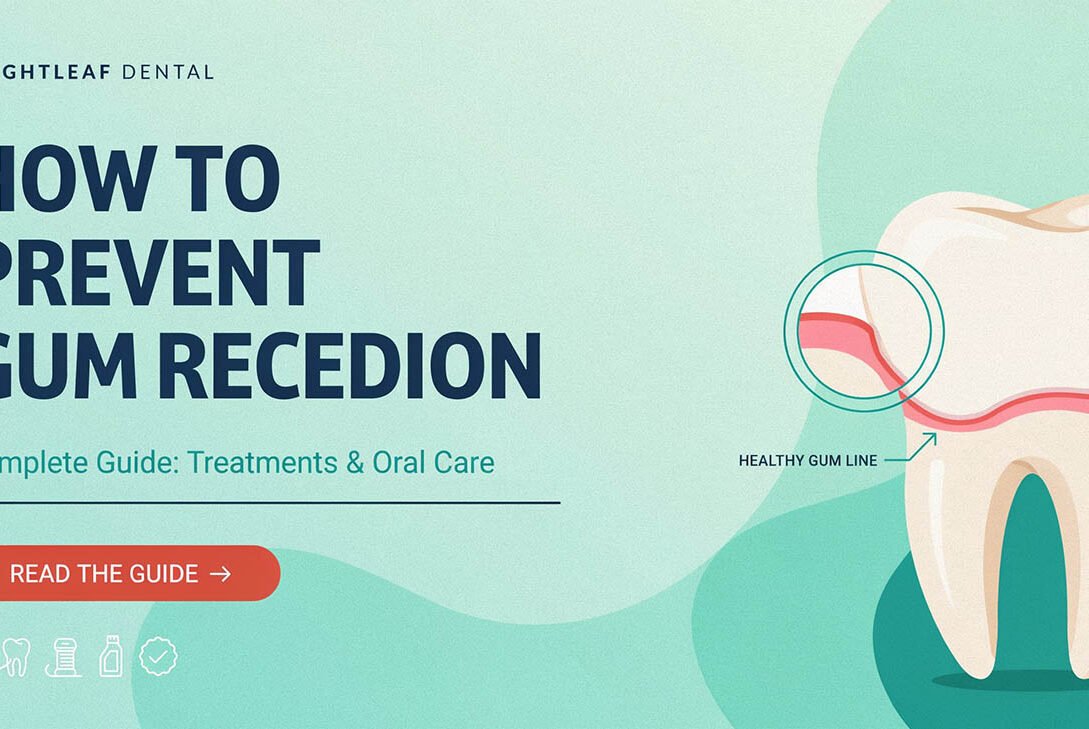
If you’ve noticed your teeth looking a little longer than they used to, or you’ve felt a twinge of sensitivity when sipping something cold, you might be dealing with gum recession. It’s one of those dental issues that creeps up quietly and then, one day, you’re staring in the mirror wondering when your gum line changed.
The good news? Gum recession is largely preventable, and even when it’s already started, there’s a lot you can do to slow it down or stop it in its tracks. This guide walks through everything you need to know — what causes it, how to spot it early, and the practical steps that actually make a difference.
What Is Gum Recession?
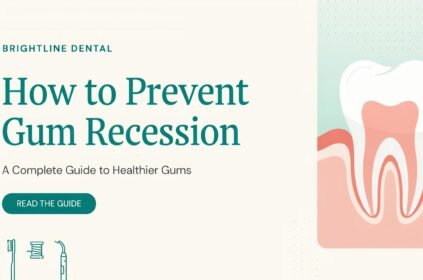
Gum recession happens when the gum tissue surrounding your teeth pulls back, exposing more of the tooth or even the tooth’s root. Unlike enamel, tooth roots aren’t protected by a hard outer layer, which is why exposed areas often become sensitive to heat, cold, and sweet foods.
It’s not just a cosmetic issue. As the gum tissue retreats, it can create small pockets between the teeth and gum line. Those pockets become perfect hiding spots for bacteria, which raises the risk of further gum disease, bone loss, and eventually tooth loss if left unaddressed.
Quick definition: Gum recession is the gradual loss of gum tissue that exposes more of the tooth surface or root, often caused by gum disease, aggressive brushing, or genetics.
Common Signs You Might Be Developing Gum Recession
Catching recession early makes a huge difference in how easily it can be managed. Watch for these signs:
- A gradual “lengthening” effect, where teeth look larger simply because more of the surface is exposed
- Increased sensitivity to hot, cold, or sweet foods
- A visible notch or indentation near the gum line
- Gums that look thinner or redder than surrounding tissue
- Teeth that feel slightly loose
- A rough spot you can feel with your tongue where the tooth meets the gum
If any of these sound familiar, it’s worth scheduling a checkup rather than waiting it out.
What Causes Gum Recession?
There isn’t just one culprit. Recession usually results from a combination of habits, genetics, and underlying dental conditions.
1. Periodontal (Gum) Disease
This is the leading cause. Bacterial infections destroy gum tissue and the bone that holds your teeth in place, causing the gums to pull away over time.
2. Brushing Too Hard
It sounds counterintuitive, but scrubbing your teeth aggressively — or using a hard-bristled toothbrush — can wear away gum tissue faster than any bacteria could.
3. Poor Oral Hygiene
Skipping brushing or flossing allows plaque to harden into tartar, which irritates and eventually damages gum tissue.
4. Genetics
Some people are simply born with thinner gum tissue or teeth that sit closer to the surface of the bone, making them more prone to recession regardless of how well they care for their teeth.
5. Tobacco Use
Smoking and chewing tobacco interfere with blood flow to the gums, making it harder for tissue to stay healthy and heal itself.
6. Teeth Grinding and Clenching
Grinding puts excessive force on teeth and gums, which can contribute to recession over time, especially if it happens at night without a mouthguard.
7. Misaligned Teeth or Bite Issues
When teeth don’t fit together properly, uneven pressure on the gums and bone can lead to localized recession.
8. Hormonal Changes
Fluctuations during pregnancy, puberty, or menopause can make gums more sensitive and vulnerable to recession.
9. Piercings and Trauma
Lip or tongue piercings that rub against the gums, as well as physical injury, can cause localized tissue loss.
How to Prevent Gum Recession: Practical Daily Habits
Prevention comes down to consistent, gentle care and catching problems before they escalate. Here’s what actually works.
Brush Gently, With the Right Tools
Use a soft-bristled toothbrush and hold it at a 45-degree angle to your gum line. Let the bristles do the work — you shouldn’t need to press hard. An electric toothbrush with a pressure sensor can help if you tend to brush too aggressively.
Master Proper Brushing Technique
Small, circular motions work better than long, sawing strokes. Brush for a full two minutes, twice a day, covering every surface of every tooth.
Floss Daily
Flossing removes plaque and food particles from between teeth where a brush can’t reach. Be gentle here too — snapping floss into your gums can cause damage rather than prevent it.
Use an Antimicrobial or Fluoride Mouthwash
A good mouthwash helps reduce plaque buildup and can support gum health between brushings, especially for people prone to gum disease.
Schedule Regular Dental Cleanings
Professional cleanings remove tartar that brushing and flossing simply can’t touch. Most dentists recommend a checkup and cleaning every six months, though people with a history of gum issues may need more frequent visits.
Address Teeth Grinding
If you grind your teeth at night, ask your dentist about a custom night guard. It protects both your teeth and your gums from excess pressure.
Quit Smoking or Using Tobacco
This is one of the most impactful changes you can make. Tobacco products interfere with your body’s natural healing response, which means gum problems tend to develop faster and resolve more slowly in regular users.
Stay on Top of Orthodontic Issues
If you have a misaligned bite or crowded teeth, talk to your dentist or orthodontist. Correcting alignment can reduce uneven pressure on your gums.
Eat a Gum-Friendly Diet
Foods rich in vitamin C, calcium, and antioxidants support gum tissue health. Crunchy fruits and vegetables can also help naturally clean teeth throughout the day.
Treatment Options for Existing Gum Recession
It’s important to set realistic expectations: prevention can protect the gum tissue you still have, but it can’t restore what’s already been lost. That said, several treatments can stop it from progressing and restore some function and appearance.
Deep Cleaning (Scaling and Root Planing)
For recession caused by gum disease, a deep cleaning removes plaque and tartar from below the gum line and smooths the tooth root, helping gums reattach where possible.
Desensitizing Treatments
For mild recession, dentists can apply fluoride varnishes or bonding agents to reduce sensitivity in exposed root areas.
Pinhole Surgical Technique
This is a minimally invasive procedure where a small hole is made in the gum tissue, and the gum is gently repositioned to cover exposed roots — without traditional cutting or stitching.
Gum Graft Surgery
In more advanced cases, a periodontist takes tissue from another part of the mouth (or uses donor tissue) and attaches it to the affected area to cover exposed roots and rebuild the gum line.
Orthodontic Treatment
When misalignment is contributing to recession, braces or aligners can help redistribute pressure more evenly across the teeth and gums.
Comparing Prevention vs. Treatment
| Approach | Best For | Reversibility |
|---|---|---|
| Daily oral hygiene | Everyone, especially early-stage risk | Prevents further recession |
| Deep cleaning | Gum disease-related recession | Halts progression |
| Desensitizing agents | Mild sensitivity | Manages symptoms only |
| Gum grafting | Moderate to severe recession | Restores lost tissue |
| Orthodontics | Bite-related recession | Prevents further damage |
Prevention is always easier, cheaper, and less invasive than treatment. That’s the core message worth repeating: the earlier you act, the more options you have.
When to See a Dentist
Don’t wait for pain to show up. Book an appointment if you notice any lengthening of your teeth, persistent sensitivity, gum bleeding during brushing, or a change in how your bite feels. A dentist can measure the depth of any gum pockets and determine whether you’re dealing with early recession, active gum disease, or something else entirely.
Frequently Asked Questions
1. Can gum recession be reversed naturally?
No. Gum tissue that has already receded won’t regenerate on its own. However, good oral hygiene and professional treatment can stop it from getting worse and, in some cases, encourage gums to reattach slightly to the tooth surface.
2. Is gum recession painful?
It’s not always painful, but exposed roots often cause noticeable sensitivity to hot, cold, and sweet foods. Some people also experience mild discomfort or tenderness in the affected area.
3. Does gum recession mean I have gum disease?
Not necessarily. While gum disease is the most common cause, recession can also result from aggressive brushing, genetics, grinding, or misaligned teeth.
4. How long does gum graft surgery take to heal?
Initial healing typically takes one to two weeks, though full tissue integration can take a few months. Your dentist will give you specific aftercare instructions based on the type of graft performed.
5. Can a soft-bristled toothbrush really make a difference?
Yes. Switching from a medium or hard-bristled brush to a soft one, combined with a gentler technique, is one of the simplest and most effective changes for protecting gum tissue long-term.
6. Are electric toothbrushes better for preventing gum recession?
Many electric toothbrushes include pressure sensors that alert you when you’re brushing too hard, which can help prevent the kind of mechanical wear that contributes to recession.
7. Does gum recession get worse with age?
It can, partly because years of wear and tear add up, and partly because gum tissue naturally thins over time. This is why consistent preventive care becomes even more important as you get older.
Final Thoughts
Gum recession is common, but it isn’t something you have to accept as inevitable. Gentle brushing, regular flossing, routine dental visits, and addressing risk factors like grinding or tobacco use go a long way toward protecting your gum line. If recession has already started, modern treatments — from deep cleaning to gum grafts — offer real solutions to stop it from progressing and restore comfort and confidence in your smile.
The bottom line: your gums deserve the same daily attention as your teeth. A few small adjustments to your routine today can save you from bigger dental problems down the road