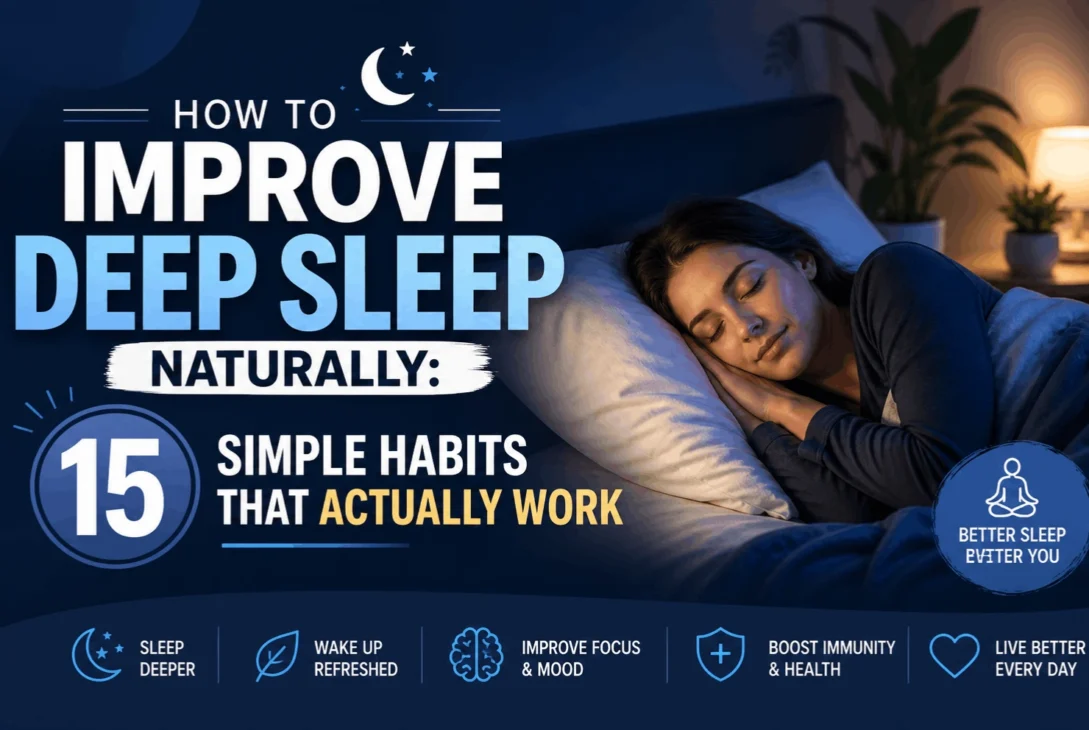
Waking up foggy-headed? Join the club—loads of us scramble for tricks how to improve deep sleep naturally, blind to the no-brainer changes staring us in the face. Deep sleep mends your body and fog-lifts your brain, though everyday madness loves to sabotage it. Here, I unpack 15 legit habits to supercharge your rest—no pills or trends needed. Stick around to understand deep sleep basics, spot common pitfalls, and grab natural ways to sleep better tonight.
What deep sleep is and why it matters
Deep sleep—also called slow-wave sleep—hits after those initial light phases. It takes over in the early part of the night, making up 20-40% of an adult’s total shut-eye. Brain waves slow way down, so your body can patch up tissues and even out hormones. Picture it as your personal overnight factory reset.
This stage trumps REM and deep sleep balance for restoration. It strengthens immunity, consolidates memories, and regulates your circadian rhythm. Skip it, and you feel foggy or cranky. In fact, quality deep sleep stages predict how sharp you feel all day.
Deep sleep stages explained
Sleep cycles through light, N2, then deep N3 where growth hormone surges—you can dive deeper into understanding deep sleep stages for the full science.
Benefits of deep sleep for the body and brain
Deep sleep kickstarts muscle healing and fine-tunes metabolism to handle body fat levels. It sweeps away brain waste, firing up your concentration and mood. Studies confirm it steadies blood sugar too. Skimp on it, though, and inflammation builds while weight sneaks up.
Common reasons you are not getting enough deep sleep
Stress crashes the party first, pumping cortisol that slams the door on deep sleep. Then bad habits stack up—think wild schedules or endless late-night scrolling. Food and drinks jump in too, firing up your body right when it craves downtime. Spot these culprits, and you’ll unlock better sleep naturally.
Ageing or illness can shorten cycles, but lifestyle fixes most issues. Track your nights to pinpoint thieves. Small changes yield big wins in improving sleep quality. Let’s break down the usual suspects.
Stress and anxiety
Racing thoughts keep your mind buzzing, delaying deep sleep stages. Chronic worry raises heart rate, mimicking fight-or-flight. You toss for hours, getting fragmented rest. Try noting worries pre-bed to offload them.
Poor sleep habits
Inconsistent bedtimes wreck your circadian rhythm. Skipping sleep hygiene—like a cluttered room—signals “party time” to your brain. Poor sleep habits also link to weight issues; adopt healthy weight habits for better recovery and energy. Fix these, and deep sleep follows.
Late caffeine, alcohol, and screen time
Caffeine hangs around for over 8 hours and shuts down melatonin production. Alcohol chops up your sleep cycles, robbing you of 20-30% of deep rest. Screens’ blue light does the same sneaky melatonin block. Ditch them all 4-6 hours before bed, and you’ll slide into sleep easier.
How to improve deep sleep naturally
Ready to know how to improve deep sleep naturally? Start with basics like fixed bedtimes and dim lights. These 7 habits build momentum, targeting root causes. Consistency turns them into autopilot for increased deep sleep.
Layer in relaxation and movement for full effect. You’ll notice sharper days within a week. No extremes—just sustainable shifts. Here’s how.
Keep a consistent sleep schedule
Hit the bed and rise at the same time daily, even on weekends. This syncs your circadian rhythm, priming deep sleep stages. Shift workers, aim for 7-9 hours regardless. Your body loves routine—it predicts rest like clockwork.
Create a calming bedtime routine
Wind down 30-60 minutes early with a bedtime routine: read, stretch, or journal. Dim lights signal melatonin release. Avoid work emails; make it sacred. This eases you into natural ways to sleep better.
Reduce screen exposure before bed
Blue light tricks your brain into daytime mode, cutting deep sleep. Swap scrolling for books for 1 hour pre-bed. Use night mode if needed, but better yet, charge devices outside. You’ll drift off faster.
Make your bedroom sleep-friendly
Cool (60-67°F), dark, quiet—optimise your sleep environment. Blackout curtains and earplugs work wonders. Invest in breathable sheets. A sanctuary invites deep rest.
Watch your diet and evening habits
Heavy meals spike digestion, disrupting cycles. Eat light 3 hours before bed; skip sugar. Hydrate early and taper off to avoid trips. Ties into overall sleep hygiene.
Try gentle exercise during the day
Morning walks or yoga boost deep sleep by 20%. Exercise tires muscles naturally. Avoid intense sessions near bed—they energise. Aim for 30 minutes daily.
Manage stress naturally
Deep breaths or meditation cuts cortisol, paving the way for deep sleep. Try 4-7-8 breathing: inhale 4, hold 7, exhale 8. Journal gratitude too. Stress reduction unlocks restoration.
Foods and nutrients that may help
Certain eats nudge melatonin and relaxation. Magnesium calms nerves; cherries boost natural melatonin. Pair with habits for synergy in better sleep naturally. No magic bullets, but smart choices amplify efforts.
Focus on whole foods over supplements first. Evening snacks keep blood sugar steady, preventing wake-ups.
Magnesium-rich foods
Load up on spinach, almonds, or pumpkin seeds—they ease muscles and the mind. Magnesium supports GABA, your calm neurotransmitter. A handful of pre-dinner aids deep sleep stages. Deficiency hits many; food fixes it best.
Herbal teas and light evening snacks
Chamomile or valerian tea soothes like a hug. Pair with banana (magnesium + potassium) or tart cherry juice for melatonin. Keep portions small. These enhance your bedtime routine.
When to talk to a doctor
These simple changes often transform your sleep. But if problems stick around, they might point to something deeper. Give new habits two weeks; no luck? Dig into root causes. Ignore it too long, and health takes a real hit.
Track symptoms and consult pros for tailored advice.
Signs your sleep problem may need medical help
Snoring/gasping (apnoea), daytime crashes despite 8 hours, or sudden changes warrant a doc visit. Mood dips, headaches, or high blood pressure too. Rule out thyroid or insomnia disorders. Pros offer tests like sleep studies.