If you’ve ever felt a deep ache between your shoulder blades that just won’t quit, you’re probably dealing with rhomboid pain. It’s one of those nagging issues that creeps up on desk workers, athletes, and honestly, anyone who spends too much time hunched over a phone. The good news? It’s rarely serious, and in most cases, you can manage it at home with the right approach.
This guide breaks down everything you need to know — what causes rhomboid pain, how to tell it apart from other conditions, and what actually works to fix it.
What Is Rhomboid Pain?
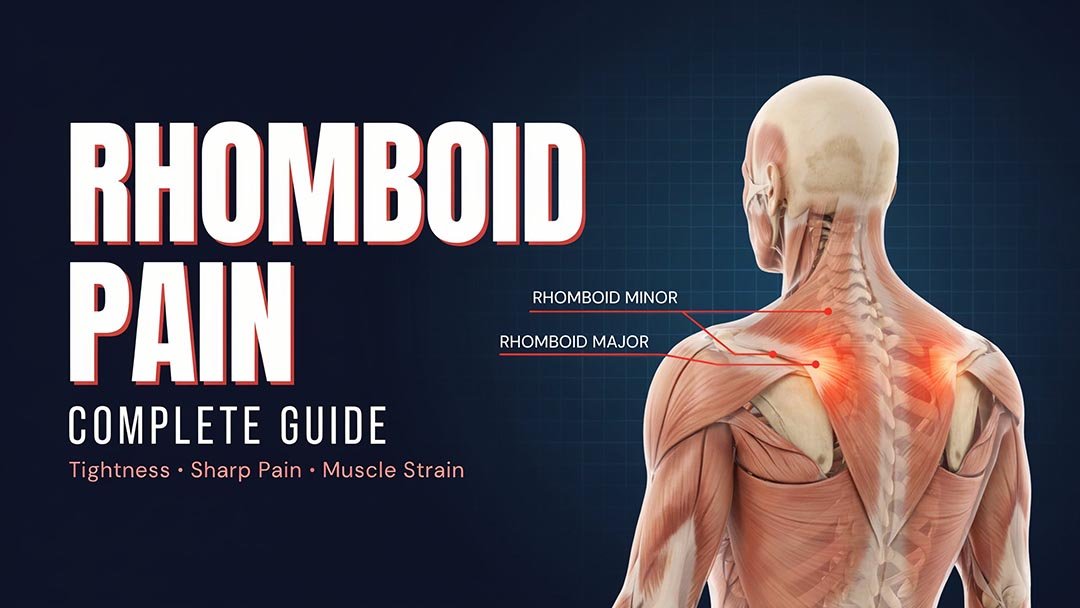
The rhomboid muscles are a pair of muscles located in your upper back, connecting your shoulder blades (scapulae) to your spine. They’re made up of two parts:
- Rhomboid Major – the larger of the two, sitting just below the minor
- Rhomboid Minor – smaller and positioned higher up, closer to your neck
These muscles work together to pull your shoulder blades toward your spine, helping you maintain good posture and stabilize your shoulders during movement. When they’re overworked, strained, or irritated, you’ll feel it as pain, tightness, or a burning sensation between your shoulder blades.
Rhomboid pain typically shows up as:
- A dull, aching sensation between the shoulder blades
- Sharp pain when you move your arm or twist your torso
- Muscle tightness or knots you can feel under the skin
- Pain that worsens with prolonged sitting or poor posture
- A “pulling” feeling when reaching overhead
What Causes Rhomboid Muscle Strain?
A rhomboid muscle strain happens when the muscle fibers get overstretched or torn, usually from sudden movement, repetitive strain, or poor posture over time. Here are the most common triggers.
1. Poor Posture
Sitting hunched over a laptop for hours rounds your shoulders forward. This constantly stretches the rhomboids, weakening them over time and causing chronic tension.
2. Overuse From Repetitive Movement
Activities like rowing, swimming, painting, or repetitive lifting can overwork the rhomboids, especially if your form isn’t quite right.
3. Sudden Trauma or Awkward Movement
A quick, jerky motion — like catching yourself from a fall or lifting something heavier than expected — can strain the muscle fibers instantly.
4. Carrying Heavy Bags on One Shoulder
This uneven load forces one side of your upper back to work harder, creating imbalance and tightness.
5. Sleeping in an Awkward Position
Waking up with upper back pain is often traced back to how you slept, especially if your neck and shoulders were unsupported.
6. Stress and Tension
Emotional stress causes many people to unconsciously tense their shoulders and upper back, which over time contributes to rhomboid tightness.
Rhomboid Minor Pain: How It’s Different
While rhomboid major pain tends to sit lower on the shoulder blade, rhomboid minor pain is usually felt closer to the top of the shoulder blade, near where it meets the spine. Because the rhomboid minor is smaller and positioned deeper, pain here can sometimes feel sharper and more localized.
People with rhomboid minor pain often describe:
- A pinching sensation near the top of the shoulder blade
- Discomfort that intensifies with neck rotation
- Pain that feels “deeper” than typical muscle soreness
It’s a subtle distinction, but knowing where your pain is centered can help you and your healthcare provider pinpoint the right treatment approach.
Can Rhomboid Pain Radiate to the Chest?
This is one of the most common concerns people search for — and for good reason, since chest pain can be alarming. Yes, rhomboid pain can radiate to the chest, particularly around the side or front of the ribcage. This happens because the muscles and nerves in the upper back are closely connected to the surrounding thoracic region.
However, it’s important to be cautious here. Musculoskeletal chest pain (from muscle strain) typically:
- Worsens with movement, twisting, or deep breathing
- Feels localized and reproducible when you press on the area
- Doesn’t come with other symptoms like shortness of breath, dizziness, or nausea
Chest pain from a cardiac issue, on the other hand, is usually more central, may radiate to the arm or jaw, and often comes with additional symptoms like sweating or pressure.
If you’re ever unsure whether your chest pain is muscular or something more serious, seek medical attention immediately. It’s always better to rule out cardiac causes first, especially if the pain is new, severe, or accompanied by other symptoms.
How to Know If It’s Rhomboid Pain vs Something Else
Rhomboid pain is often confused with other upper back or shoulder issues. Here’s a simple side-by-side guide to help you identify what may be causing your symptoms.
| Condition | Key Signs |
|---|---|
| Rhomboid strain | Pain between shoulder blades, worsens with arm movement |
| Trapezius strain | Pain higher up, near the neck and shoulder tops |
| Herniated disc (thoracic) | Pain may radiate down the arm, numbness or tingling |
| Scapular dyskinesis | Shoulder blade “winging” or abnormal movement pattern |
| Costochondritis | Sharp chest pain near the sternum, worsens with breathing |
If your pain doesn’t improve after a week or two of rest and self-care, it’s worth getting evaluated by a physical therapist or doctor to rule out other causes.
Rhomboid Exercises to Relieve and Prevent Pain
Once acute pain has settled down, strengthening and mobility work can prevent the issue from coming back. Here are some effective rhomboid exercises to add to your routine.
1. Scapular Retraction
Sit or stand tall. Squeeze your shoulder blades together as if trying to hold a pencil between them. Hold for 5 seconds, then release. Repeat 10-15 times.
2. Resistance Band Rows
Anchor a resistance band at chest height. Pull the band toward your torso, squeezing your shoulder blades together at the end of the movement. This directly targets the rhomboids and improves posture strength.
3. Prone Y-Raises
Start by lying on your stomach with your body supported by a mat or bench. Raise your arms into a “Y” position, lifting them slightly off the ground. This strengthens the lower traps and rhomboids together.
4. Wall Angels
Stand with your back against a wall, arms bent at 90 degrees. Slowly slide your arms up and down while keeping contact with the wall. This improves shoulder blade mobility and rhomboid activation.
5. Face Pulls
Using a resistance band or cable machine, pull the band toward your face while flaring your elbows out. This is excellent for correcting rounded shoulders caused by desk work.
Tip: Start with light resistance and focus on slow, controlled movements. Rhomboid exercises should never cause sharp pain — if they do, stop and scale back.
Best Rhomboid Stretch Routine
Stretching helps relieve tightness and improve blood flow to the area. Here are a few rhomboid stretch options worth trying daily.
Cross-Body Shoulder Stretch
Bring one arm across your chest and use the opposite hand to gently pull it closer. Hold for 20-30 seconds on each side.
Child’s Pose Reach
From a kneeling position, reach both arms forward on the ground and sink your hips back. This stretches the entire upper back, including the rhomboids.
Doorway Stretch
Stand in a doorway with your arm bent at 90 degrees against the frame. Gently lean forward to stretch the chest and upper back simultaneously.
Cat-Cow Stretch
This classic yoga movement mobilizes the entire spine and helps release tension in the rhomboids and surrounding muscles.
Doing these stretches consistently — even just 5-10 minutes a day — can make a noticeable difference in reducing tightness over time.
When to See a Doctor or Physical Therapist
Most rhomboid pain resolves with rest, stretching, and strengthening. But you should seek professional help if you experience:
- Pain that persists beyond 2-3 weeks despite self-care
- Numbness or tingling down the arm
- Visible swelling, bruising, or deformity
- Pain following a significant injury or fall
- Chest pain accompanied by shortness of breath, dizziness, or sweating
A physical therapist can assess your posture, movement patterns, and muscle imbalances to create a targeted recovery plan.
How to Prevent Rhomboid Pain From Coming Back
Prevention comes down to a few consistent habits:
- Fix your workstation setup — keep your monitor at eye level and shoulders relaxed
- Take movement breaks every 30-45 minutes if you sit for long periods
- Strengthen your upper back regularly, not just when pain flares up
- Switch shoulders when carrying bags or backpacks
- Warm up properly before workouts involving pulling or rowing movements
Small, consistent changes go a long way in keeping your upper back pain-free.
Frequently Asked Questions
1. What does rhomboid pain feel like?
Rhomboid pain usually feels like a deep ache, tightness, or burning sensation between the shoulder blades. It can worsen with arm movement, deep breaths, or prolonged sitting.
2. Can rhomboid pain radiate to the chest?
Yes, it can. Because the upper back muscles are close to the ribcage, pain can sometimes radiate to the chest area. However, if chest pain is severe or accompanied by other symptoms like shortness of breath, seek medical attention right away to rule out cardiac issues.
3. How long does a rhomboid strain take to heal?
Mild strains often improve within 1-2 weeks with rest and gentle stretching. More significant strains may take 4-6 weeks, especially if proper rehab exercises aren’t followed.
4. What’s the difference between rhomboid major and rhomboid minor pain?
Rhomboid major pain is typically felt lower on the shoulder blade, while rhomboid minor pain is felt higher up, closer to where the shoulder blade meets the spine.
5. Are rhomboid exercises safe to do with existing pain?
Gentle rhomboid exercises are generally safe once acute pain subsides. Avoid anything that causes sharp pain, and start with light resistance before progressing.
6. Can bad posture alone cause rhomboid pain?
Yes. Prolonged poor posture — especially rounded shoulders from sitting — is one of the most common causes of chronic rhomboid tightness and pain.
7. Should I use heat or ice for rhomboid pain?
Ice is generally better in the first 48 hours after an acute strain to reduce inflammation. After that, heat can help relax tight muscles and improve blood flow.
Conclusion
Rhomboid pain is common, especially among people with desk jobs or repetitive upper-body movement patterns. While it can sometimes feel alarming — particularly if it radiates toward the chest — it’s usually manageable with rest, targeted stretching, and consistent strengthening exercises. Understanding the difference between rhomboid major and minor pain, along with knowing when to seek professional care, puts you in a much better position to recover fully and prevent future flare-ups. If your pain persists or feels unusual, don’t hesitate to consult a healthcare professional for a proper diagnosis