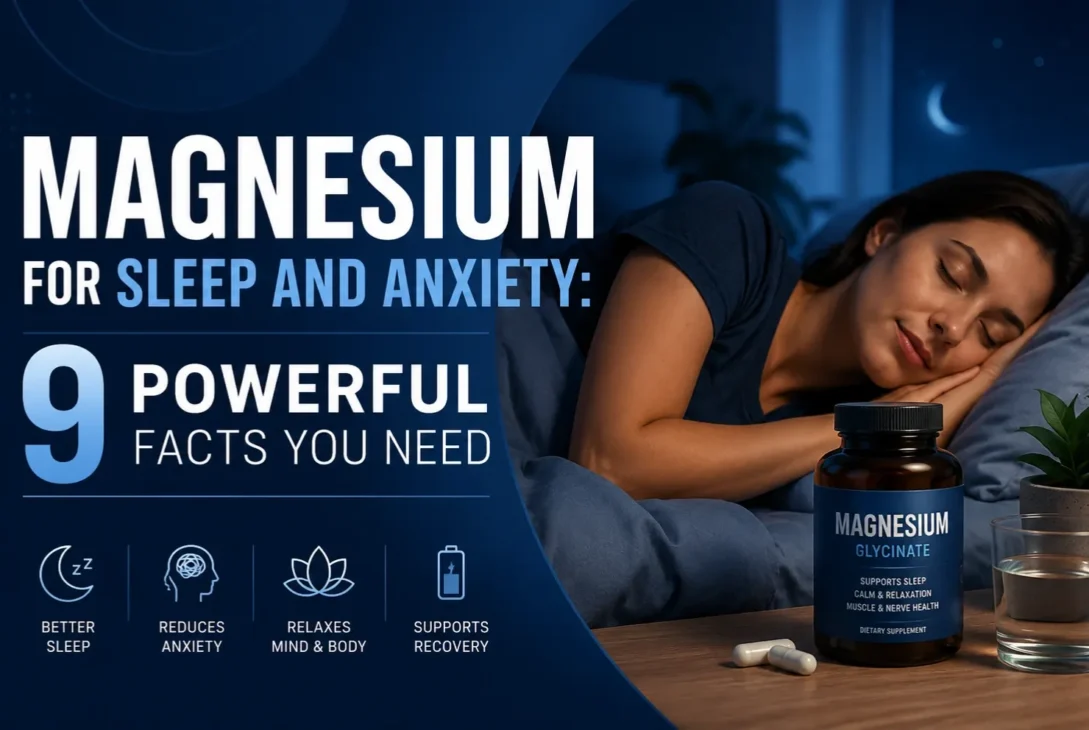
Many people struggle with restless nights and ongoing stress. As a result, natural remedies have become increasingly popular, and magnesium is often at the top of the list. Many people now use magnesium for sleep and anxiety in hopes of improving relaxation without relying on stronger medications. But does it actually work? In this guide, you’ll learn how magnesium affects sleep, stress, and overall well-being, along with the best ways to use it safely.
What Is Magnesium and Why the Body Needs It
Magnesium is an essential mineral involved in hundreds of processes throughout the body. It helps support muscle function, nerve signaling, energy production, and heart health. Despite its importance, many people don’t get enough magnesium through their diet.
Low magnesium levels may contribute to magnesium deficiency symptoms such as muscle cramps, fatigue, irritability, and difficulty sleeping. Because magnesium plays a key role in nervous system function, researchers continue to explore its connection to mood and sleep quality.
The Connection Between Magnesium and Sleep Quality
Sleep isn’t just about closing your eyes. Your body must transition into a calm state that supports relaxation and the nervous system. Magnesium appears to help this process by supporting neurotransmitters that encourage calmness and prepare the brain for rest.
Some studies suggest that magnesium may contribute to sleep quality improvement, particularly in people with low magnesium levels. If you’re trying to understand the amount of deep sleep adults need, improving magnesium intake may be one piece of the puzzle. You can also explore additional research about magnesium and sleep benefits from reputable health sources.
How Magnesium May Help Calm the Body Before Bed
One reason magnesium receives attention is its relationship with GABA and relaxation response. GABA is a neurotransmitter that helps quiet brain activity and encourages a calmer mental state before sleep.
For some individuals, magnesium for sleep and anxiety may help create conditions that support relaxation before bedtime. While it isn’t a cure for sleep disorders, it may complement healthy habits that reduce sleep disruption and health effects associated with poor-quality rest.
The Connection Between Magnesium and Anxiety
Anxiety often affects both the mind and body. Racing thoughts, muscle tension, and poor sleep can create a frustrating cycle. Researchers believe magnesium may help break part of that cycle by supporting normal nervous system activity.
Some evidence links mineral deficiency and mood changes, suggesting that inadequate magnesium intake could contribute to feelings of stress in certain individuals. People searching for natural anxiety relief options frequently consider magnesium because of its potential calming effects. If you’re interested in calming anxiety symptoms naturally, magnesium may serve as one helpful component of a broader wellness strategy. The insomnia and anxiety connection also makes magnesium an appealing option for people experiencing both concerns.
Magnesium’s Role in Stress and Cortisol Regulation
Cortisol is commonly known as the body’s primary stress hormone. Healthy cortisol patterns help regulate energy, focus, and sleep throughout the day.
Research into magnesium and cortisol levels suggests that adequate intake may support stress hormone regulation. While magnesium won’t eliminate life’s challenges, it may help the body respond more efficiently to everyday stressors when combined with healthy lifestyle habits.
Best Forms of Magnesium for Sleep and Anxiety
Not all magnesium supplements are the same. Different forms have varying absorption rates and intended uses, which is why understanding the types of magnesium supplements is important.
Many experts recommend magnesium glycinate for sleep because it is generally well absorbed and often associated with calming effects. Magnesium citrate is another common option, although it may have stronger digestive effects for some people. When choosing magnesium for sleep and anxiety, selecting a form that matches your goals and tolerance level can make a noticeable difference.
How Much Magnesium to Take and When
The ideal amount depends on age, sex, diet, and overall health. General magnesium dosage for adults typically ranges between 310 and 420 milligrams per day from food and supplements combined.
If you’re considering supplementation, it’s wise to follow product instructions or speak with a healthcare professional. Many people find that the best time to take magnesium is in the evening because it aligns with their relaxation routine and bedtime schedule.
Safety, Side Effects, and Who Should Check With a Doctor
Magnesium is generally considered safe when used appropriately. However, taking excessive amounts from supplements may cause diarrhea, stomach discomfort, or nausea.
People with kidney disease, certain heart conditions, or those taking prescription medications should consult a healthcare provider before starting supplements. Although magnesium for sleep and anxiety is widely used, it’s important to remember that individual responses can vary.
Simple Ways to Add More Magnesium to Your Day
Food is often the best place to start. Leafy greens, nuts, seeds, beans, and whole grains are excellent magnesium sources.
If you’re looking for ways to improve your intake naturally, many foods that support magnesium-rich foods and digestion can easily fit into a balanced eating plan. Small daily changes can add up over time.
Conclusion / Final Thoughts
Magnesium continues to attract attention as one of the more promising evidence-based natural remedies for better sleep and stress management. While it isn’t a magic solution, magnesium for sleep and anxiety may help support relaxation, healthy sleep patterns, and overall well-being. Combined with good sleep habits and stress-management practices, it can be a useful tool for many people.