
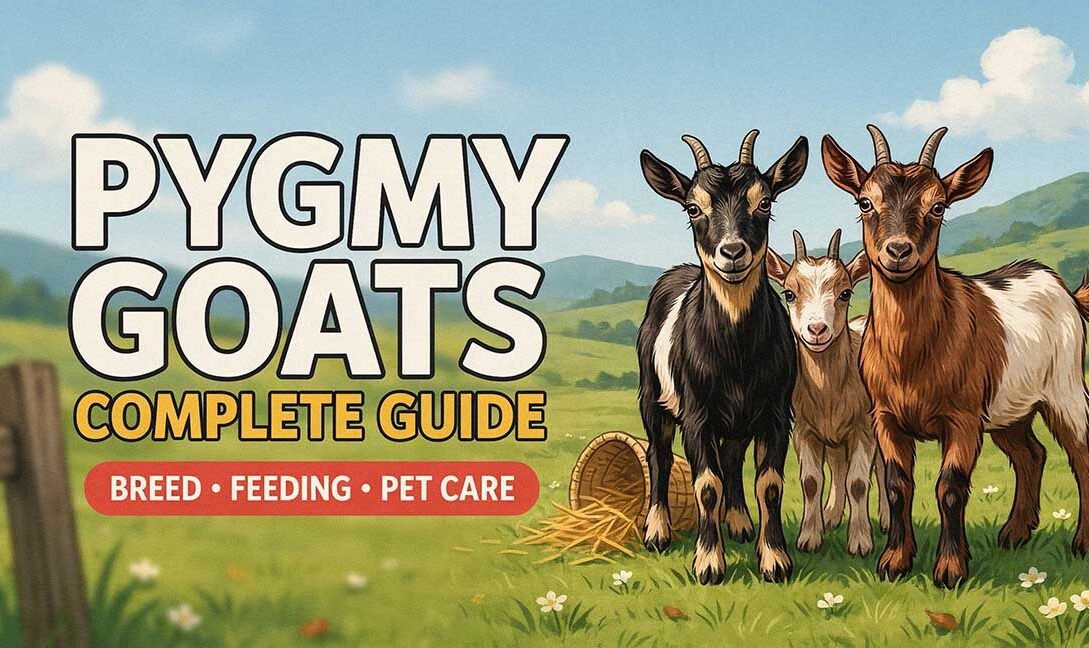
There’s a reason pygmy goats show up on so many small farms, hobby homesteads, and even suburban backyards these days. They’re compact, full of personality, and surprisingly easy to care for once you understand their basic needs. But before bringing one home, it helps to know exactly what you’re getting into — from feeding requirements to lifespan to whether they actually make good pets.
This guide covers everything a first-time or experienced owner needs to know about pygmy goats, including how they compare to other goat breeds and what daily care realistically looks like.
What Is a Pygmy Goat?
A pygmy goat is a small breed of domestic goat originally developed in West Africa, later brought to Europe and North America in the mid-20th century. Unlike dairy or meat breeds, pygmy goats were bred primarily as companion animals and exhibition stock, which is part of why they’re so well-suited to life as pets today.
Quick definition for search:
Pygmy goats are a miniature goat breed, typically standing 16 to 23 inches tall at the shoulder and weighing between 53 and 86 pounds at maturity, known for their stocky build, friendly temperament, and adaptability to small spaces.
They’re not to be confused with Nigerian Dwarf goats, another popular small breed, though the two are frequently mixed up online.
Pygmy Goat vs. Other Types of Goats
Understanding where pygmy goats fit among other types of goats helps set realistic expectations.
- Pygmy goats: Small, stocky, companion-focused, not typically raised for milk production.
- Nigerian Dwarf goats: Similarly small but leaner, and bred specifically for dairy purposes with higher milk yield.
- Boer goats: Large meat-breed goats, far bigger and raised primarily for commercial meat production.
- Nubian goats: Medium-to-large dairy goats known for high butterfat milk content.
- Miniature or “minicher” goats: A broader category (sometimes informally spelled this way) that includes pygmy, Nigerian Dwarf, and other small breeds bred down from standard-sized goats.
If your main goal is a low-maintenance companion animal rather than a dairy or meat producer, pygmy goats are usually the better fit.
Pygmy Goat Temperament: Do They Make Good Pets?
Yes — pygmy goats are widely considered one of the best goat breeds for pet ownership, and for good reason.
- They’re social and tend to bond closely with humans and other goats.
- They’re playful well into adulthood, often climbing, jumping, and engaging with their environment.
- They’re generally easygoing with children when raised and handled properly.
- They don’t require large acreage, making them realistic for small properties.
That said, goats are herd animals by nature. A single pygmy goat living alone will often become stressed or overly dependent on human interaction. Most experienced keepers strongly recommend keeping at least two goats together, even if your goal is simply a couple of backyard pets.
Feeding a Pygmy Goat: What Do They Actually Eat?
Feeding is one of the most misunderstood parts of pygmy goat care. Despite their reputation for “eating anything,” goats actually have fairly specific dietary needs.
Core Diet Components
- Hay: Should make up the bulk of their diet, particularly grass hay like timothy or orchard grass.
- Pasture grazing: Fresh grass and browse (leaves, shrubs, weeds) are natural and beneficial when available.
- Grain or pellet feed: Given in moderation, especially for pregnant, nursing, or growing goats — not as a primary food source.
- Fresh water: Constant access is essential; goats can be surprisingly picky and will avoid dirty water entirely.
- Mineral supplements: A goat-specific mineral block or loose mineral mix helps prevent deficiencies, particularly in copper and selenium.
Foods to Avoid
- Avocado
- Chocolate
- Azaleas and rhododendrons
- Excess grain, which can cause bloat or a dangerous condition called acidosis
- Moldy or spoiled hay
A common mistake new owners make is assuming goats will thrive on kitchen scraps or lawn clippings alone. While pygmy goats are efficient browsers, an unbalanced diet quickly leads to nutritional deficiencies and digestive problems.
How Long Do Goats Live?
This is one of the most searched questions among prospective owners, and it’s an important one for anyone considering long-term commitment.
Quick answer:
Pygmy goats typically live 12 to 15 years with proper care, though some individuals live into their late teens when housing, diet, and veterinary care are well managed.
Lifespan depends heavily on:
- Quality of diet and access to clean water
- Regular hoof trimming and parasite control
- Shelter from extreme weather and predators
- Routine veterinary checkups, including vaccinations
- Whether the goat is spayed/neutered (unaltered males in particular may face more health complications over time)
Compared to larger goat breeds, pygmy goats often live comparably long or slightly longer, partly due to their manageable size and popularity as well-cared-for pets rather than livestock.
Housing and Space Requirements
One reason pygmy goats appeal to small-scale owners is their modest space requirements compared to standard goat breeds.
Minimum Space Guidelines
- Shelter: A simple three-sided structure or small barn is sufficient, offering protection from wind, rain, and direct sun.
- Outdoor space: At least 200 square feet per goat is a reasonable minimum, though more is always better for their wellbeing.
- Fencing: Sturdy fencing at least 4 feet high is essential — pygmy goats are excellent climbers and surprisingly good escape artists.
- Bedding: Straw or wood shavings help keep shelters dry and comfortable, especially in colder months.
Goats also need environmental enrichment. Simple additions like wooden spools, low platforms, or large rocks give them something to climb and interact with, which supports both physical health and mental stimulation.
Common Health Considerations
Pygmy goats are generally hardy, but a few health issues are worth watching for:
- Parasites: Internal parasites like barber pole worm are common and require regular fecal testing and deworming as needed.
- Hoof problems: Overgrown or improperly trimmed hooves can lead to lameness if not addressed every 6 to 8 weeks.
- Obesity: Because they’re small and often overfed treats, pygmy goats can gain excess weight quickly, leading to joint stress and metabolic issues.
- Copper deficiency: Especially in areas with copper-poor soil, requiring supplementation through minerals formulated for goats.
Routine care from a livestock-experienced veterinarian goes a long way toward preventing most of these issues before they become serious.
Buying a Pygmy Goat in the UK
If you’re specifically looking to buy goat UK options, there are a few important things to know before purchasing.
- Reputable breeders: Look for breeders registered with organizations such as the British Pygmy Goat Society, which maintains breed standards and health records.
- Licensing requirements: In the UK, keeping goats — even as pets — typically requires registration with the Animal and Plant Health Agency (APHA), along with a herd/flock mark.
- Movement records: Goats must be tagged, and movements between locations often need to be documented, even for small hobby setups.
- Health checks before purchase: Always ask about vaccination history, parasite treatment, and general health records before bringing a goat home.
These regulations exist to help track livestock health nationally, so it’s worth budgeting time for paperwork alongside the excitement of choosing your goats.
Is a Pygmy Goat Right for You?
Before committing, it helps to honestly assess your situation:
- Do you have space for at least two goats, given their social needs?
- Can you commit to 12–15+ years of care?
- Do you have secure fencing and appropriate shelter?
- Are you prepared for routine hoof trimming, deworming, and vet visits?
- Is your local area zoned for keeping goats, and are you aware of registration requirements?
If the answer is yes across the board, pygmy goats can make wonderfully rewarding, entertaining, and affectionate additions to a small farm or spacious backyard setup.
Frequently Asked Questions
Are pygmy goats good pets for beginners?
Yes, pygmy goats are considered one of the more beginner-friendly goat breeds due to their manageable size, sociable nature, and relatively simple care requirements, provided owners meet their space and companionship needs.
How long do goats live compared to other small livestock?
Pygmy goats generally live 12 to 15 years, which is longer than many other small livestock species, making them a genuine long-term commitment rather than a short-term pet.
Do pygmy goats need another goat companion?
Yes. Goats are herd animals, and keeping a single goat alone often leads to stress, loud vocalizing, and behavioral issues. At least two goats are strongly recommended.
Pygmy vs. Nigerian Dwarf — What Actually Sets Them Apart?
Pygmy goats are stockier and primarily kept as companion animals, while Nigerian Dwarf goats are leaner and bred mainly for dairy production, despite being similar in size.
Can pygmy goats live in a backyard?
Yes, provided there’s adequate secure fencing, shelter, and at least 200 square feet of space per goat, along with access to appropriate food and companionship.
Do I need a license to buy a goat in the UK?
In most cases, yes. UK goat owners typically need to register with APHA and obtain a herd mark, even for small numbers of pet goats.
What do pygmy goats eat on a daily basis?
Their diet should center on grass hay and pasture grazing, supplemented with small amounts of goat-formulated grain, fresh water, and mineral supplements as needed.
Final Thoughts
Pygmy goats offer a rare combination of small size, big personality, and manageable care requirements, making them one of the most popular types of goats for pet owners and hobby farmers alike. With proper feeding, secure housing, and at least one companion goat, they can thrive for well over a decade. Whether you’re comparing minicher goat breeds or simply exploring your first goat ownership experience, understanding their needs upfront sets both you and your goats up for a happy, healthy life together